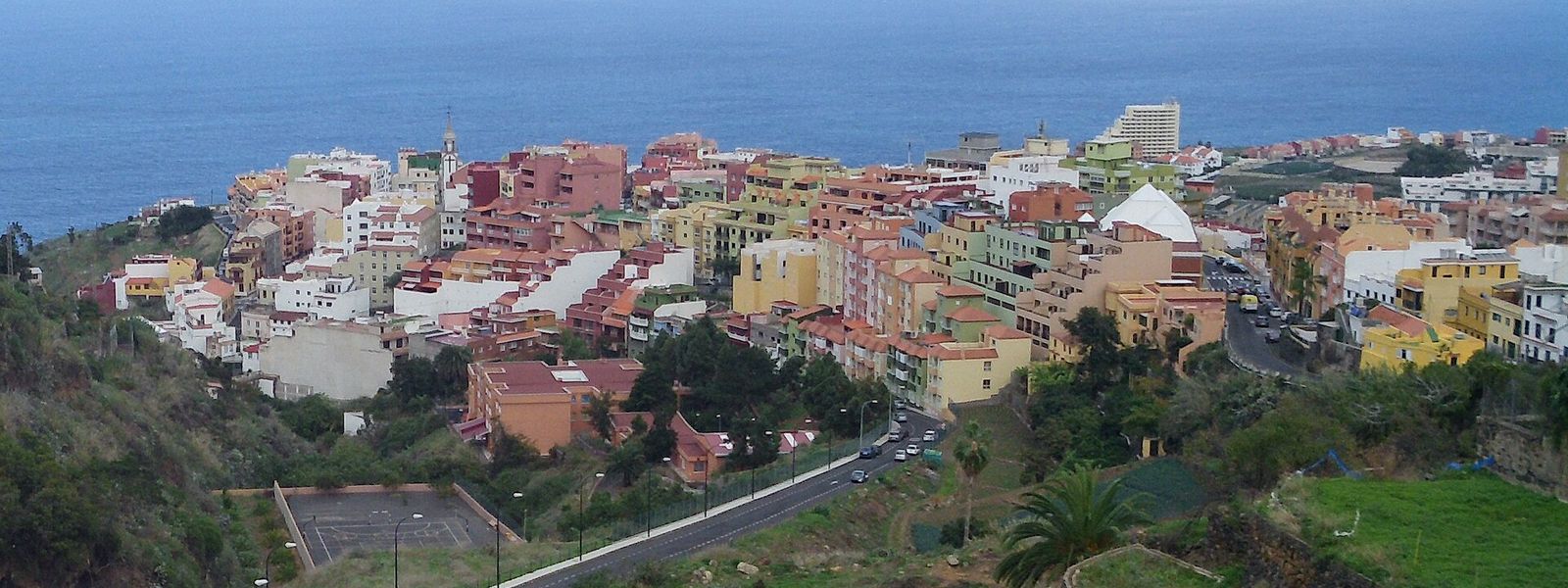
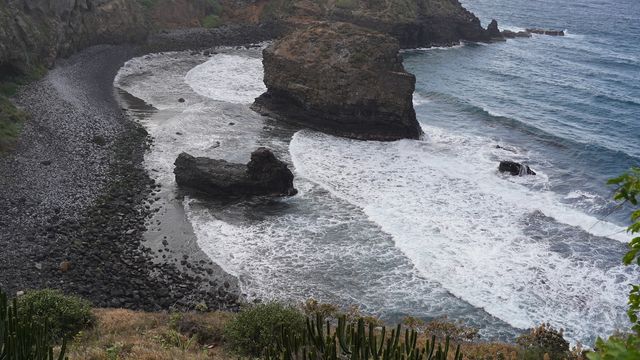
A deep ravine splits Los Realejos in two. The Spanish took the upper side, Realejo Alto, during the conquest; the Guanches had a settlement on the lower side, Realejo Bajo. Each half has its own Baroque church, built soon after the conquest. Villages such as Palo Blanco, Cruz Santa and Tigaiga have since grown into one continuous town. Los Realejos holds the main Marian shrine of northern Tenerife, dedicated to Our Lady of Mount Carmel, and runs down to a coast whose best-known beach is Playa de El Socorro.
Los Realejos
- Currency
- Euro (EUR, €). ATM withdrawals often incur charges of €1–8; bringing some cash (€50–100) can help avoid fees. Credit and debit cards are widely accepted in cities and tourist areas. Bizum (a Spanish payment app) is popular with locals and some businesses but requires a Spanish bank account. The islands are outside the EU's standard VAT area.
- Language
- Spanish (specifically Canarian Spanish dialect) is the native language. English is widely spoken in hotels, restaurants and tourist attractions, but understanding outside these areas is very limited. In smaller towns and rural areas, English proficiency is minimal. Hotel and restaurant staff generally know basic English.
- Power plug
- Europlug (Type C) and Schuko (Type F) sockets; 230 V, 50 Hz
- Visa
- Schengen area: EU, EEA and Swiss nationals enter on national ID card or passport. Many non-EU nationalities have 90-day visa-free access. Non-EEA citizens staying longer than 90 days require an advance visa.
- Time zone
- Atlantic/Canary (UTC±00:00 in winter, UTC+01:00 in summer); one hour behind mainland Spain.
- Tap water
- Safe to drink throughout Spain. In some southern regions it has high mineral content and may taste unfamiliar; locals often drink bottled water instead. Bottled water is inexpensive and widely available.
- Tipping
- Not mandatory or customary. In restaurants: not expected for simple meals or basic establishments; 5–10% in mid-range or upscale venues if service was exceptional. Always pay cash to the server, not on card. Taxi drivers and hotel staff may appreciate small tips in upscale settings but it is not expected.
- Emergency
- 112
When to go
High season
Nov – Apr
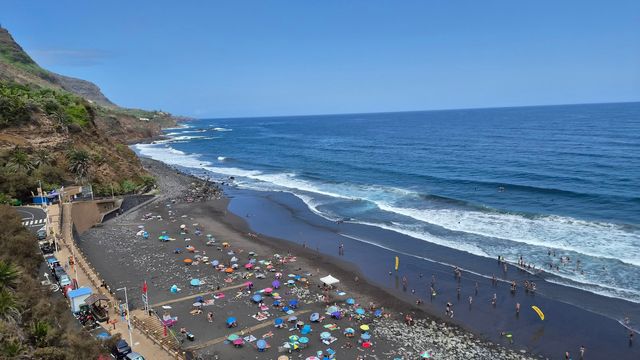
Winter-sun season on the island, when the north-facing coast below the town takes the heaviest Atlantic swell and the sea at Playa de El Socorro runs rough.
Low season
May – Jun
Long days, fewer visitors and a calmer sea along the north coast than in winter.
Shoulder
Jul – Oct
Summer and early autumn, when the trade winds pile cloud against the northern slopes above the town while the coast below stays warm.
How long to stay
Los Realejos fills a day. The two old centres, their Baroque churches and the shrine of Our Lady of Mount Carmel take a morning, and the afternoon goes on the coast at Playa de El Socorro. Puerto de la Cruz is 5 km away and La Orotava 6 km, so the town fits easily into a stay based in either of them.
Getting around
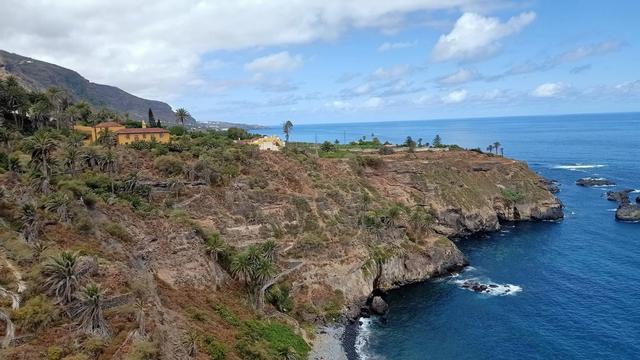
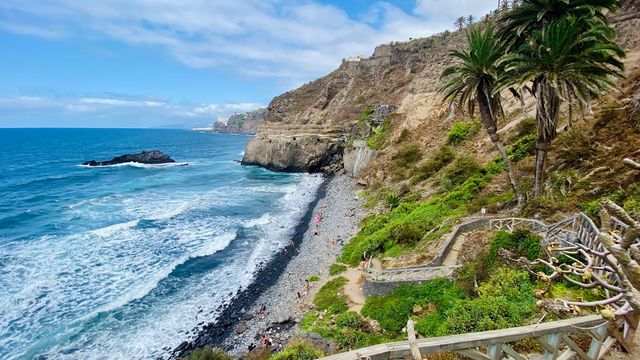
The TF-5 motorway from Santa Cruz de Tenerife ends at Los Realejos, 34 km from the capital. Within the municipality, a deep ravine separates the two old centres, Realejo Alto and Realejo Bajo, and the villages around them have merged into one built-up spread. The coast lies 2 km below the town. Playa de El Socorro is the easiest of the beaches to reach; Playa de Castro and Playa de Fajana take more effort to get down to.
What to see


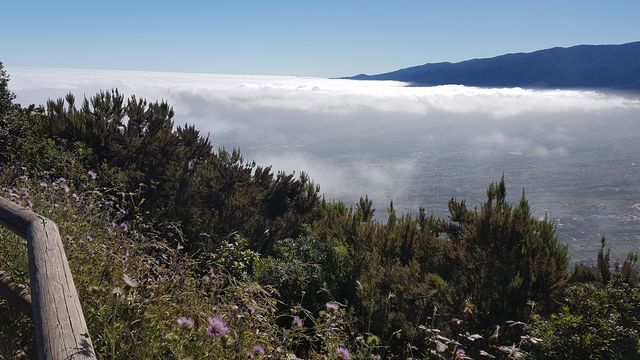
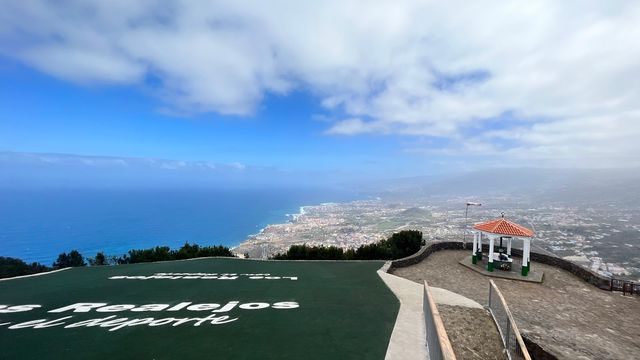
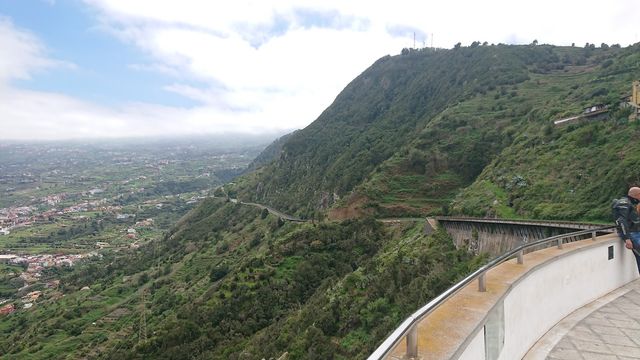
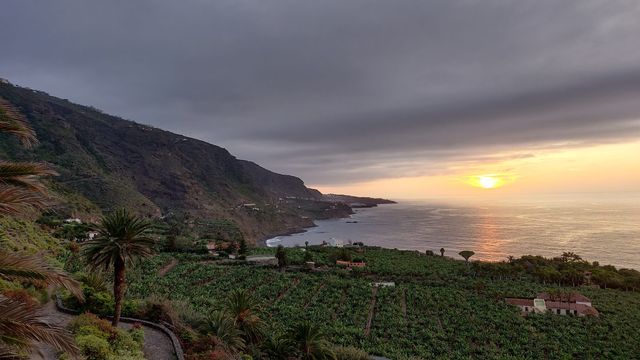
Destinations in Los Realejos
Frequently asked questions
How far is Los Realejos from Puerto de la Cruz and La Orotava?
Los Realejos lies 5 km south-west of Puerto de la Cruz and 6 km west of La Orotava. Santa Cruz de Tenerife is 34 km away, at the other end of the TF-5 motorway.What is the difference between Realejo Alto and Realejo Bajo?
They are the two historic halves of the town, split by a deep ravine. The Spanish occupied the upper side, Realejo Alto, during the conquest, while the Guanches had a settlement on the lower side, Realejo Bajo. Each has its own Baroque church, built soon after the conquest. The municipality was first known as Realejo de Arriba.Does Los Realejos have a beach?
Yes. Playa de El Socorro is the most popular, with locals and visitors alike. Playa de Castro and Playa de Fajana are harder to reach. This is an open north-facing shore that takes breaking Atlantic waves: watch the sea before you go in, and never turn your back on it.What is the shrine of Our Lady of Mount Carmel?
It is the main Marian shrine in northern Tenerife, and it stands in Los Realejos.