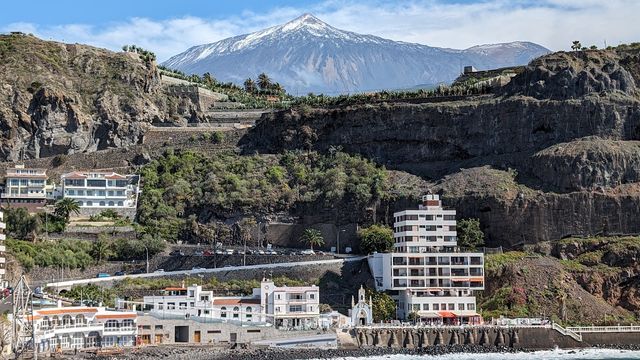
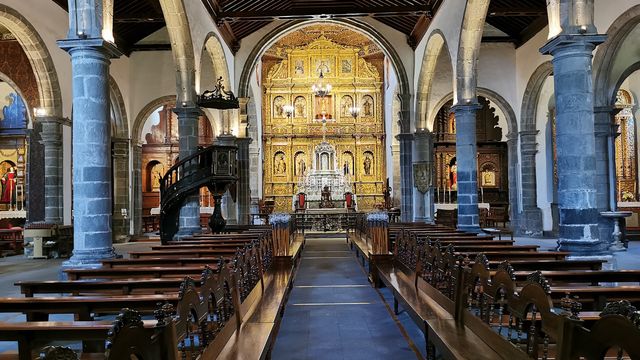
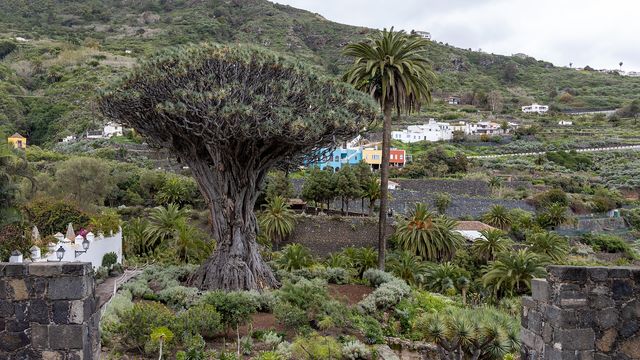
Teide rises above the rooftops of Icod de los Vinos, a town founded in 1501 on a long slope that runs from Canary pine forest down to almost 10 km of coast in north-west Tenerife. Banana plantations and vineyards fill the valley, and the local wine gave the town the second half of its name. Most visitors come for El Drago Milenario, the dragon tree in Parque del Drago beside the sixteenth-century Church of San Marcos. The Cueva del Viento lava tube and the black sand of Playa de San Marcos are the two sights beyond an easy walk from the centre.
Icod de los Vinos

- Currency
- Euro (EUR)
- Language
- Spanish; English only in tourist areas
- Power plug
- Type C/F, 230 V
- Visa
- Schengen
- Time zone
- UTC+0 / UTC+1 (WET/WEST)
- Tap water
- Safe; mineral taste in the south
- Tipping
- Not expected; 5–10% for great service
- Emergency
- 112
Things to do
All tours in Icod de los Vinos on GetYourGuide
Paid links: booking through them supports YowJourney.
When to go
Low season
Jan – May
The north side of the island catches most of the winter cloud and rain, and Teide often shows snow above the town.
High season
Jun – Sep
Festival season: Los Hachitos lights up the upper town on 23 June, August brings the El Amparo pilgrimage, the Santa Bárbara baskets and the Guanche procession in La Candelaria on the 15th, and the devils of Las Angustias come out in mid-September.
Shoulder
Oct – Dec
New-wine season, which peaks on 29 November with the Tablas de San Andrés, when the wine stores open for tasting and riders slide down the steep streets on boards.
How long to stay
Half a day covers the old centre: El Drago Milenario, the Church of San Marcos and Plaza de la Pila with the Casa de los Cáceres all lie within walking distance of each other. Add the Cueva del Viento or an afternoon on the black sand of Playa de San Marcos and it becomes a full day. Garachico and Buenavista del Norte sit further along the TF-42 coast road, so Icod fits well into a day spent on the north-west of the island.
Getting around
The centre is walkable. The dragon tree, the Church of San Marcos and the plazas around them sit close together, and only the Cueva del Viento and Playa de San Marcos need transport.
Drivers arrive on the TF-5 from Puerto de la Cruz, and the TF-42 carries on along the coast to Garachico and Buenavista del Norte. From Costa Adeje and Las Américas in the south, the route runs up the TF-1 to Santiago del Teide and then north across the Teno mountains on the TF-82, a very winding road.
A signposted underground car park near the main sights charges for parking; its public toilets are free. The underground car park at Centro Comercial La Magalona, which also houses the Museo Guanche, is free. The streets around it are largely one-way: the easiest way in is from Calle Francisco Miranda into the eastern end of Calle Pepe Floro.
What to see
Destinations in Icod de los Vinos
Frequently asked questions
Is the dragon tree really a thousand years old?
No study has confirmed it. Dragon trees lay down no annual rings, so their age cannot be counted, and this one is more likely hundreds of years old. It stands 22 m high, about the height of a seven-storey building, with a trunk 10 m across at the base, and it has been a National Monument since 1917.What else is there to see besides the dragon tree?
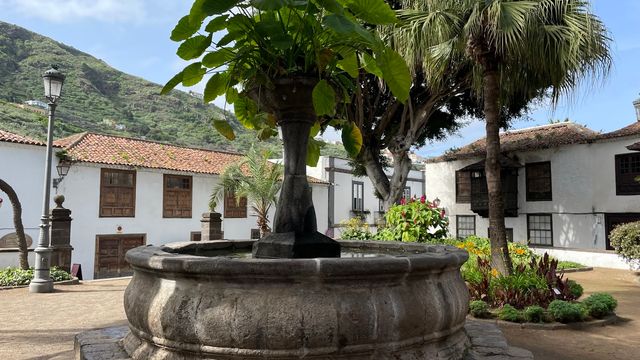
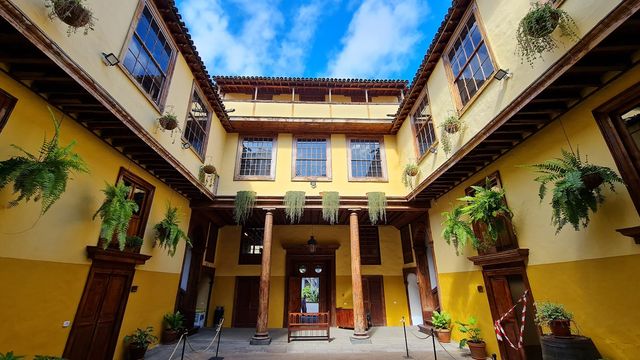
The Church of San Marcos, built in the first half of the 16th century, has five naves, a stone bell tower and late Gothic statues of St Mark and Our Lady of the Kings; its Museo de Arte Sacro holds the town's religious art. Plaza de la Pila, next to Parque del Drago, has a small botanic garden and the neoclassical Casa de los Cáceres, now a museum. On Plaza de Lorenzo Cáceres stands the monument to José Antonio Páez, whose great-grandfather came from Icod.What is the Cueva del Viento?
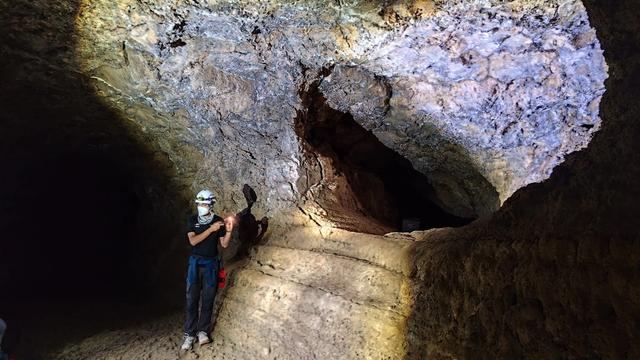
A lava tube with a known length of over 17 km and several entrances, the largest in the European Union. Inside it is a maze of volcanic formations with its own cave fauna, both living and fossil.What wine is made in Icod de los Vinos?
White wine leads, made from listán blanco, alongside listán tinto and tintilla. On 29 November, the eve of San Andrés, the wine stores open to taste the year's new wine with roasted chestnuts, and riders slide down the steep streets on boards, with the biggest show on Plano street.