Cueva del Viento is a lava tube in Icod de los Vinos, in the north of Tenerife, formed by lava flows from Pico Viejo beside Mount Teide. With more than 17 km of passages on three levels, it is the largest lava tube system in Europe and the sixth largest in the world. Its passages have yielded fossils of extinct Canarian giants, the lizard Gallotia goliath and the rat Canariomys bravoi, as well as Guanche archaeological remains. It is a protected Natura 2000 site, open to visitors on guided tours.
Cueva del Viento Lava Tube
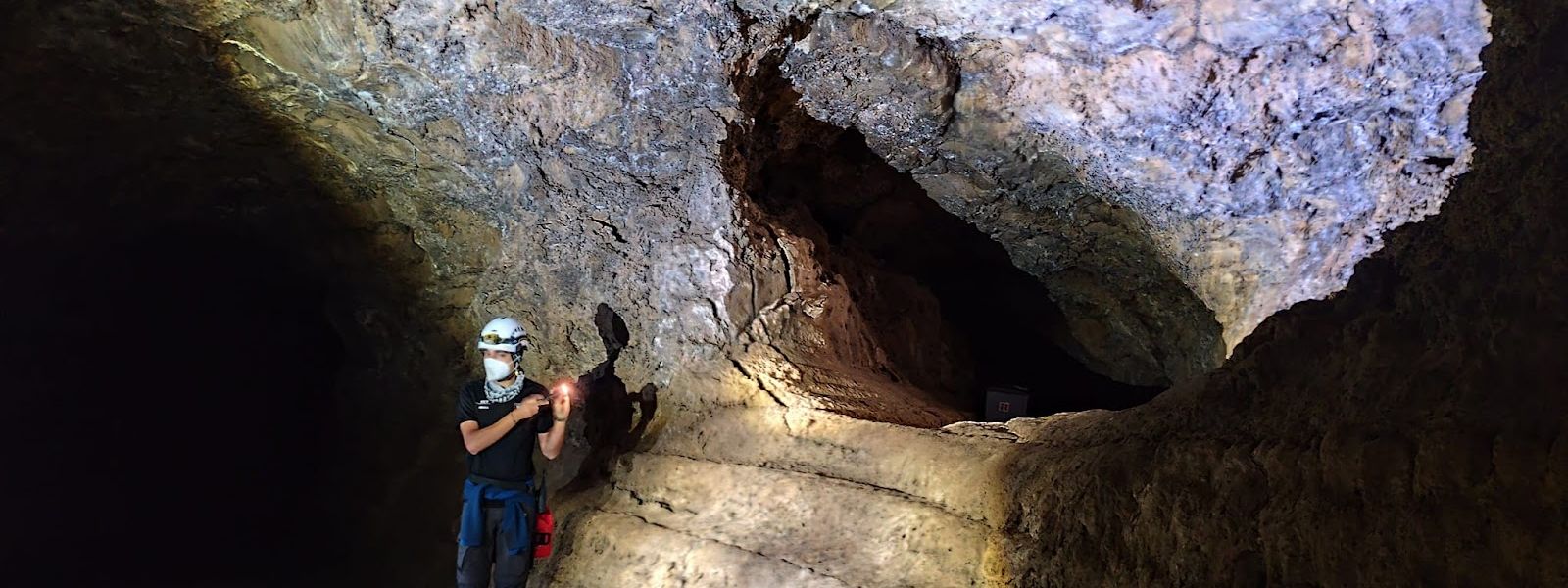
Lava tube system of three stacked levels running for over 17 km beneath Icod de los Vinos, seen on guided tours
- Entrance
- Paid guided tour; cards and contactless payments are accepted.
- Accessibility
- No wheelchair-accessible entrance or parking; inside, the lava floor is rough and uneven.
- Parking
- Free and paid car parks, plus free street parking; two customer car parks lie within about 75 m of the cave.
- Difficulty
- A guided walk underground over rough, uneven lava; firm-soled shoes are needed. The access road is narrow and steep.
- Transport
- Nearest bus stop: Los Dos Caminos, about 940 m away in a straight line.
- Advance booking
- Required: book ahead, as visitor numbers are capped at around 120 a day.
- Hours
- Daily 9:00–16:00.
- Address
- Cam. los Piquetes, 51, 38438 Icod de los Vinos, Santa Cruz de Tenerife, Spain
What makes it special
Underground, the first thing you notice is the air. It moves through the passages, and that draught gave Cueva del Viento, the Wind Cave, its name. Lava from Pico Viejo left the tube behind, and it runs for more than 17 km on three levels stacked one above another like the floors of a building, with lava pits and terraces along the way. That layout makes it the most complex volcanic tube known.
The rock has kept older things too. Bones of Gallotia goliath, a giant lizard, and Canariomys bravoi, a giant rat, have turned up here, and so have traces of the Guanches at several entrances. Naturalist guides take groups through and explain how the tube formed and what lives in it. The visit covers only a small part of the system.
Good to know
- Wear shoes with firm soles: the lava floor inside is rough and uneven.
- Bring a jacket. The cave stays cool whatever the weather outside.
- Off the main road, the lane up to the cave is narrow and steep. Take it slowly.
- Tours run in several languages, English among them.
- The information centre where the visit starts explains the cave before you go underground.
Getting there
Most visitors come by car. Once you leave the main road, the lane up to the cave turns narrow and steep, so drive it slowly. There is plenty of parking at the top: two car parks for customers lie within about 75 m of the cave, and there is free parking along the street as well. The visit begins at the information centre.
Without a car, the nearest bus stop is Los Dos Caminos, about 940 m away in a straight line, and the rest of the way is on foot.
Best time to visit
Best: a grey or wet day on the north coast. The tube holds the same cool temperature all year, so rain outside changes nothing below ground.
Avoid: summer and school-holiday weeks without a booking. Group sizes are capped, and at the busiest times of year the tours fill ahead.
Access & restrictions
Cueva del Viento is a protected Natura 2000 site, and visitors enter the tube on a guided tour. Stay with your guide and the group. Leave rock, bones and lava formations where they lie: the fossils of extinct Canarian animals and the Guanche remains found here are part of what the protection covers.
Sun & daylight
Nearby Places
Similar Places
Cueva del Viento Lava Tube on the map
The lava floor inside the tube is rough and uneven. Wear firm-soled shoes and watch your footing in the dim light.
Get directions
Your whole travel map in one place
Get inspired by new places around the world and find the ones worth the journey
Frequently asked questions
How big is Cueva del Viento?
The system runs for more than 17 km on three levels, making it the largest lava tube system in Europe. The guided visit covers only a small section of it.Are tours available in English?
Yes. Naturalist-led tours run in several languages, English among them.What should I wear?
Shoes with firm soles, because the lava floor is rough and uneven, and a light jacket, because the cave is cool inside.Is Cueva del Viento wheelchair accessible?
No. Neither the entrance nor the parking is wheelchair accessible, and the floor inside the tube is uneven lava.How was the cave formed?
It was created by lava flows from Pico Viejo, the volcano next to Mount Teide.