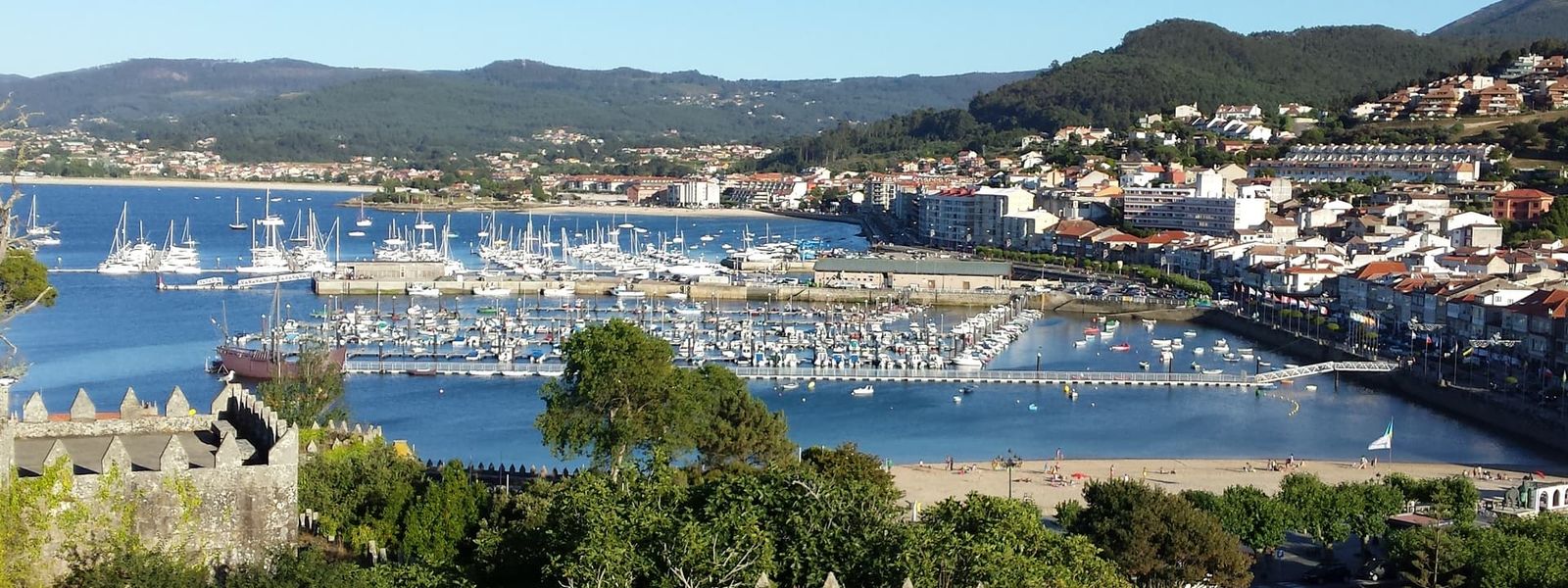
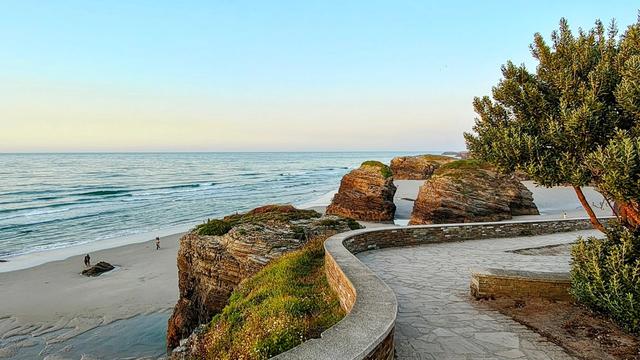
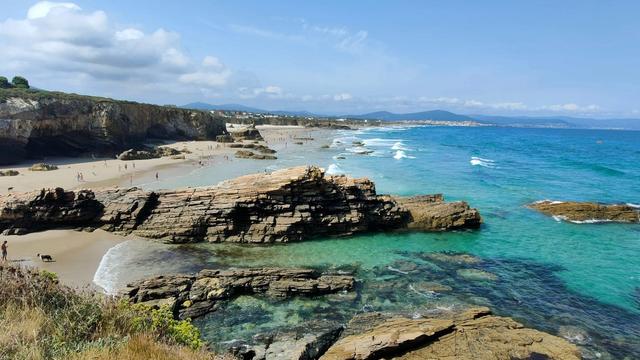
Galicia lies at Spain's northwest corner, bordered by Portugal to the south and the Atlantic to the west. It centres on Santiago de Compostela, famous as a pilgrimage destination, though fame has made the city itself touristy. The coastline fragments into rías—deep sea inlets created when rising seawater flooded river valleys after the last ice age—offering dozens of sheltered coves and harbours. Inland lie green valleys, small stone villages and granite churches; the landscape and language (Galician, close to Portuguese) reflect Celtic roots that survived centuries of Spanish rule. Tourism clusters on the pilgrimage trail and major coastal towns, leaving the mountains and quiet inland routes undervisited.
Galicia
- Currency
- Euro (EUR)
- Language
- Galician, Spanish
- Power plug
- Type C/F, 230 V
- Visa
- Schengen
- Time zone
- UTC+1 / UTC+2 (CET/CEST)
- Tap water
- Safe; mineral taste in the south
- Tipping
- Not expected; 5–10% for great service
- Emergency
- 112
Things to do
All tours in Galicia on GetYourGuide
Paid links: booking through them supports YowJourney.
When to go
Low season
Dec – Feb
Cold and wet; Atlantic storms frequent. Few tourists. Shortest daylight.
Shoulder
Mar – May
Spring warming; local wildflowers bloom. Santiago pilgrimage season begins. Easter holidays draw visitors.
High season
Jun – Aug
Warmest and busiest season. Coastal rías full of swimmers and divers. July pilgrimage traffic peaks.
Shoulder
Sep – Nov
September still warm and quieter. Rain increases into autumn; October and November turn rainy.
How long to stay
Three to four days covers the coast and Santiago de Compostela. Five to seven days adds inland valleys, smaller towns and the northern rías in comfort.
Getting around
Trains and buses connect major towns—Santiago, Vigo, A Coruña. Many coastal and rural attractions sit away from transport routes, making car hire practical. A narrow-gauge heritage railway runs the north coast between Ferrol and Ribadeo. Roads are well maintained; hire at your arrival airport.
What to see
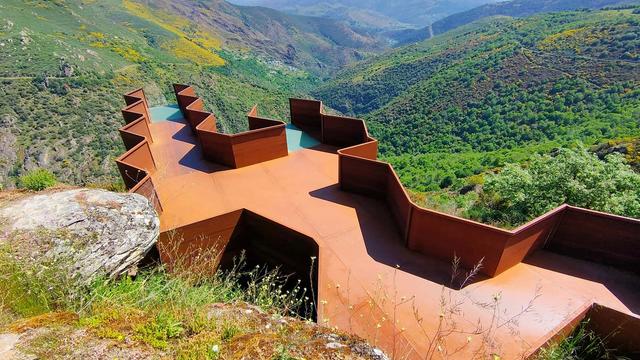
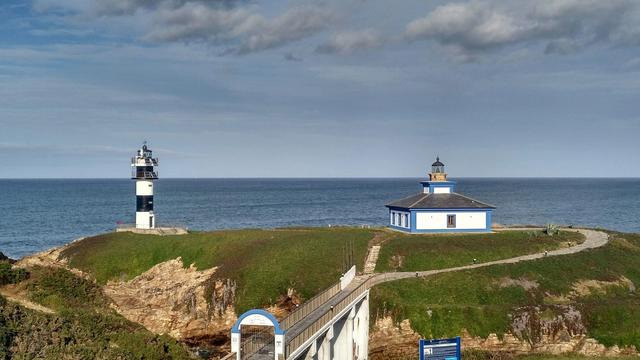
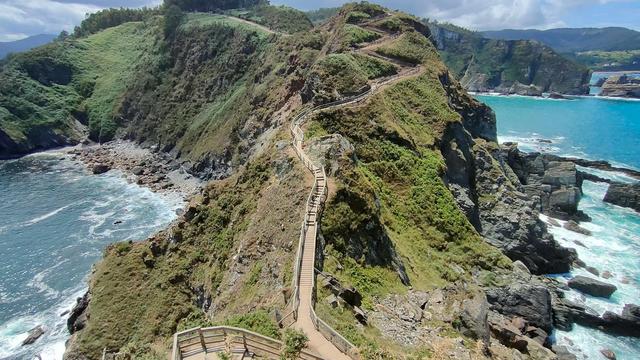
Destinations in Galicia
Nearby regions (1)
Cities (1)
Frequently asked questions
What is Santiago de Compostela?
A medieval pilgrimage destination in the region's heart. Legend says the body of St James the Apostle lies in its cathedral. Today it remains one of Europe's pilgrimage routes, though Santiago itself can feel over-touristy.What are the rías?
Deep sea inlets that cut far inland along the coast. Rising sea levels after the last ice age flooded river valleys, creating dozens of these sheltered harbours and coves. Rías Baixas are the four western ones; Rías Altas face the Bay of Biscay.What language is spoken?
Galician (Galego) is the official language, very close to Portuguese. Everyone understands Castilian Spanish. Younger people and hospitality staff often speak English.Is there interesting food?
Galician cuisine relies on seafood: mussels, spider crab, barnacles, clams in white wine and paprika. Polbo á feira is octopus with paprika and salt; empanada is a pastry with tuna, beef or octopus. Bacalao ao alvariño (salt cod), Albariño wine, and pimientos de Padrón (small green peppers, mostly mild) are specialities.Why visit if I'm not a pilgrim?
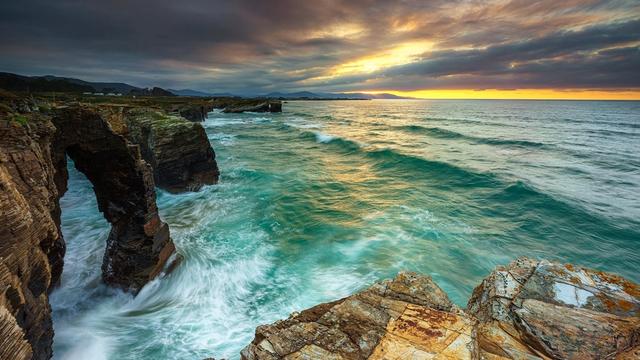
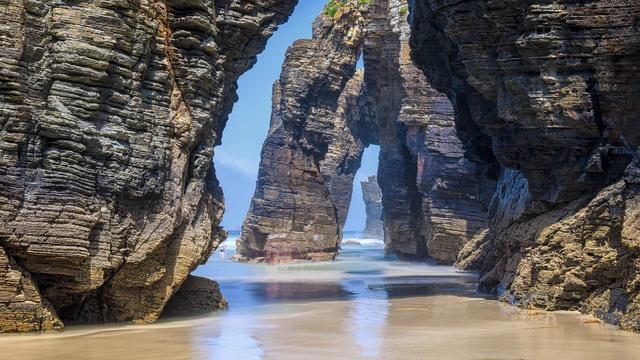
The region beyond Santiago is well-developed for visitors but easy to escape. Quiet villages, rugged wave-dashed headlands and lonely mountains lie inland. The coast is less touristy than the pilgrimage trail.