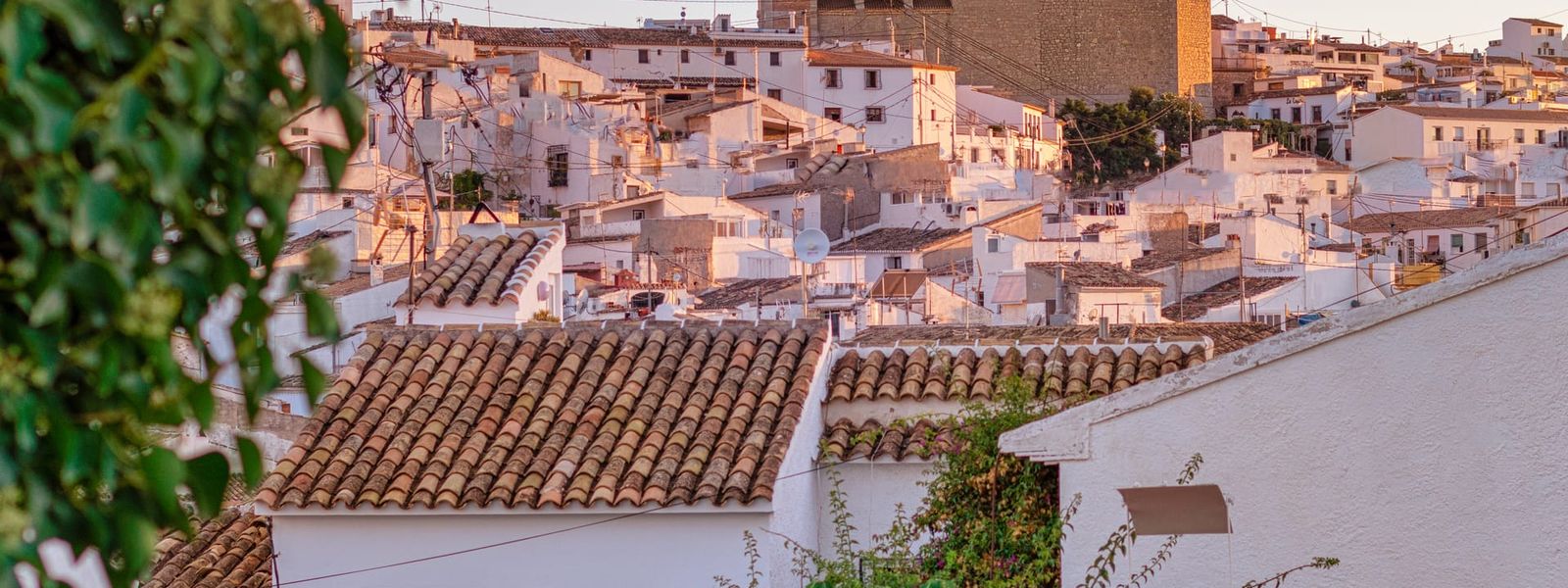
Altea Old Town is a historic hilltop district overlooking the Mediterranean coast. The old town is formed by a dense labyrinth of white houses and narrow stone streets adapted to the steep relief. At the highest point stands a church with blue domes that has become a visual symbol of the town. The architecture follows the natural slope, allowing panoramic views of the sea and coastline.
Altea Old Town
Local name: Casco Antiguo de Altea
- Currency
- Euro (EUR, €). Credit and debit cards are widely accepted in cities and tourist areas. ATMs are abundant; most charge €2–7 per foreign card withdrawal. Some shops request ID before accepting a credit card. €500 banknotes are not accepted in most shops.
- Language
- Valencian and Spanish are both official languages in Valencia. Most city residents speak Spanish; outside the city, Valencian is preferred and widely spoken. English is common among those under 50, but variable elsewhere. Road signs are usually in both languages.
- Power plug
- Europlug (Type C) and Schuko (Type F) sockets; 230 V, 50 Hz
- Visa
- Schengen area: EU, EEA and Swiss nationals enter on national ID card or passport. Many non-EU nationalities have 90-day visa-free access. Non-EEA citizens staying longer than 90 days require an advance visa.
- Time zone
- Europe/Madrid (UTC+01:00 winter time, UTC+02:00 summer time from last Sunday in March to last Sunday in October). Canary Islands are one hour behind mainland Spain.
- Tap water
- Safe to drink throughout Spain. In some southern regions it has high mineral content and may taste unfamiliar; locals often drink bottled water instead. Bottled water is inexpensive and widely available.
- Tipping
- Not mandatory or customary. In restaurants: not expected for simple meals or basic establishments; 5–10% in mid-range or upscale venues if service was exceptional. Always pay cash to the server, not on card. Taxi drivers and hotel staff may appreciate small tips in upscale settings but it is not expected.
- Emergency
- 112