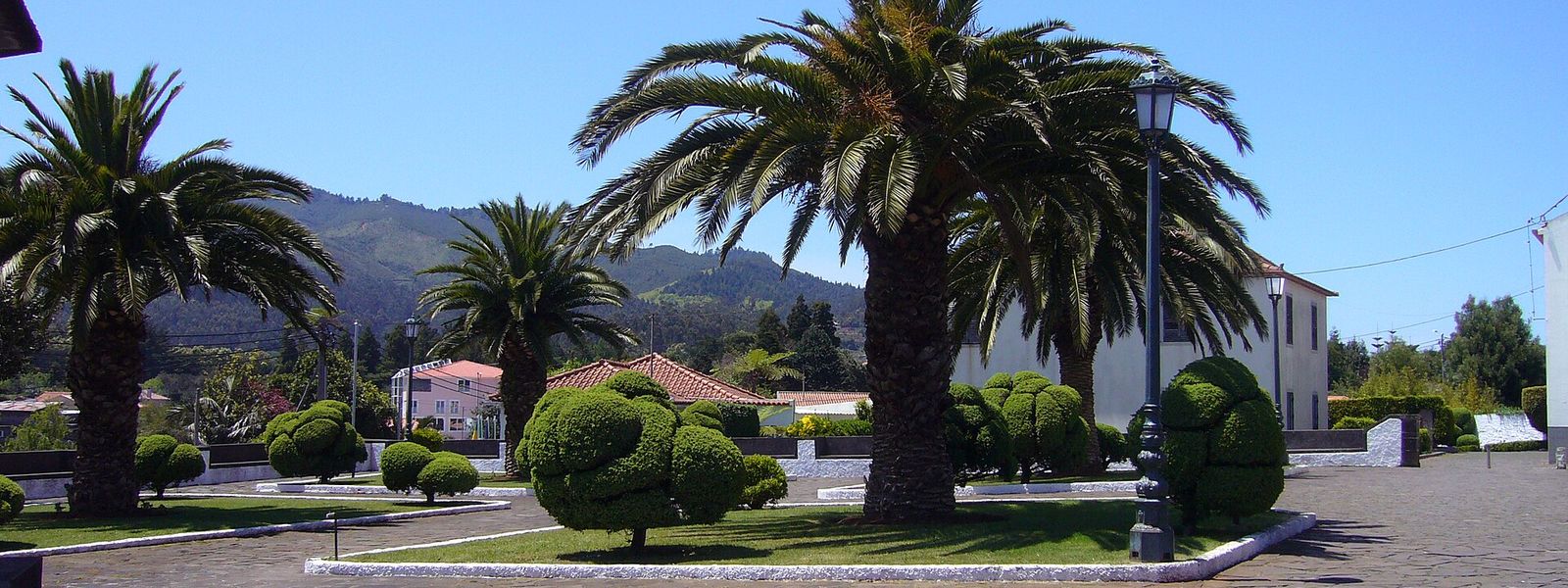
Santo António da Serra is a civil parish in the interior of the municipality of Machico, on Madeira. It sits on a rough plateau at around 700 metres, overlooking the valley of Machico, with woods of chestnut, acacia and elderberry around it — land that English residents bought up for farms during the settlement of the island. Farming still carries the parish, dairy and beef cattle above all, and the Campo de Golfe da Madeira, the oldest golf course on Madeira, lies within it. In conversation the name is cut to Santo da Serra.
Santo António da Serra
- Currency
- Euro, in place of the escudo since 2002. Multibanco and ATM Express cash machines take international cards almost everywhere and mostly charge nothing of their own, while the Euronet machines clustered in tourist streets take high fees and give poor rates. VAT is already inside every price in shops and restaurants: 23% standard on the mainland, 22% in Madeira and 18% in the Azores.
- Language
- Portuguese, spoken here with a heavy accent even by mainland standards. English gets you about as far as it does on the mainland, and an attempt at a few Portuguese words is always taken well.
- Power plug
- Type C / F, 230 V, 50 Hz
- Visa
- Schengen: entry and short-stay limits follow the common Schengen rules.
- Time zone
- UTC+0 (UTC+1 in summer)
- Tap water
- Safe to drink across the country. Bottled spring water (água mineral) is sold everywhere for those who prefer it.
- Tipping
- Not expected, appreciated for good service. Around 8–10% in a restaurant if the service was exemplary, and it is perfectly acceptable to leave nothing if it was not. No tip for a coffee or a cake; €1–2 if you eat a full meal in a café. Nothing in pubs and bars. In a taxi, round the fare up and add €1–2.
- Emergency
- 112
When to go
Low season
Dec – Mar
Cold and damp on the plateau — the 18th-century colony of settlers from Porto Santo gave up on this climate and went home. Cloud sits low over the chestnut woods, and the village is quiet.
Shoulder
Apr – May
The woods come back into leaf and the small fields around the village are worked again, though showers still cross the high ground.
High season
Jun – Sep
Madeira's busiest stretch. At 700 metres the plateau stays cooler than the coast below, which is much of the reason the golf and the farms ended up here.
Shoulder
Oct – Nov
Rain returns to the highland, the chestnut woods turn, and the roads up from the coast empty out again.
How long to stay
Half a day covers the village itself — the church square, the woods around it and the view down over the Machico valley. Golf takes longer, and a round at the Campo de Golfe da Madeira makes the parish a destination in its own right. Otherwise Santo da Serra works as a stop on a day through eastern Madeira rather than as a base: the parish has taken up hostelry alongside farming, but most people arrive, look and drive on.
Getting around
A hire car is the practical way in. The parish lies inland on the plateau, so every road to it climbs from the coast; Funchal is 20 kilometres away, and the coast of Machico is below the village.
Before you set the navigation, know that the settlement straddles a municipal boundary. The neighbouring parish in the municipality of Santa Cruz, immediately to the south, carries exactly the same name, and both are shortened to Santo da Serra in speech. Check which of the two your route is aiming at.
What to see
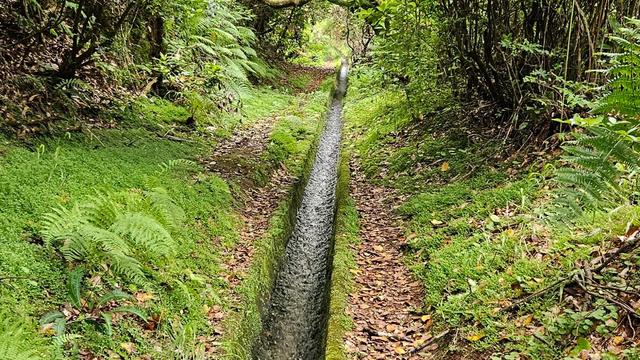


Destinations in Santo António da Serra
Frequently asked questions
Where is Santo António da Serra?
In the interior of the municipality of Machico, on a plateau at around 700 metres behind the south coast of Madeira, 20 kilometres from Funchal. Porto da Cruz borders it to the north and east, the municipality of Santa Cruz to the west.Why do maps show two places with this name?
In 1852 lands in Santo da Serra were annexed to the municipality of Santa Cruz, and the protests that followed were settled by an accord brokered at Casa dos Romeiros, which divided the place between Machico and Santa Cruz. Each municipality now has a parish called Santo António da Serra, and they adjoin.Is there a golf course?
Yes. The Campo de Golfe da Madeira, the oldest golf course on the island, lies in the parish and has drawn well-known players of the sport.What does the parish live on?
Farming, above all dairy and beef cattle. The terrain limits what can be cultivated, so fields are worked by the methods of older generations, with natural fertilisers and local materials. Hostelry has been added to bring in more revenue.Where does the name come from?
From local devotion to Saint Anthony — the Portuguese name means Saint Anthony of the mountain. Settlement of this rugged interior came late, probably in the 16th century, beginning around the parochial church.