Lisbon is the capital and the largest city of a country of 11.4 million, and most trips begin there. Portugal is known for its beaches and long warm summers, for fado, for bacalhau and pastéis de nata, and for wines that carry the names of the places that make them — Port and Madeira. Seventeen properties sit on the UNESCO World Heritage List. Travellers come for the coast and the food, for the pilgrimage to Fátima, and for the giant waves at Nazaré, which host a big-wave contest every year.
Portugal

- Currency
- Euro (EUR)
- Language
- Portuguese; English widely spoken
- Power plug
- Type C / F, 230 V, 50 Hz
- Visa
- Schengen
- Time zone
- UTC+0 / UTC+1 (WET/WEST)
- Tap water
- Safe to drink
- Tipping
- Not expected; 8–10% for great service
- Emergency
- 112
Things to do
All tours in Portugal on GetYourGuide
Paid links: booking through them supports YowJourney.
When to go
Shoulder
Mar – May
Spring runs sunny more often than not, and the hills are still green before the summer dries them out.
High season
Jun – Sep
July and August bring the highest temperatures, and the interior runs hotter than the coast, where the Nortada — the summer wind along the shore — takes the edge off. Faro and the Algarve carry their heaviest traffic in these months.
Shoulder
Oct – Nov
Autumn turns rainy and windy, though sunny days are not rare in it.
Low season
Dec – Feb
Winter is the wet, windy half of the mainland year. Snow is common in the mountains of the north, especially Serra da Estrela, where the ski resorts open; it melts off quickly once the season ends. Most of Madeira stays dry, while the Azores are wet and rainy.
How long to stay
Mainland Portugal can be built around one railway line down the west: Porto, Aveiro, Coimbra, Lisbon, then Faro for the Algarve. Ten days covers that without rushing — two nights a city, a day spare for a beach. Cut it to four or five and the trip becomes Lisbon and one journey out of it, no more.
The islands do not fold into a mainland itinerary. Madeira and the Azores are reached by air, and each is worth its own week rather than a bolted-on weekend. Serra da Estrela and the mountain north add days again, and in winter the ski resorts there are the reason to make the detour.
Getting around
Trains do the spine of the country. Alfa Pendular runs at up to 220 km/h and stops only at the main stations — Braga, Porto, Vila Nova de Gaia, Aveiro, Coimbra, Lisbon, Faro — while Intercidades reaches inland towns such as Évora, Beja and Guarda. Change lines anywhere in Portugal and you will probably change at Entroncamento: every main line branches there and every passing train stops. Lisbon and Porto both have metro systems, and the suburban rail around each is decent.
The caveat is frequency and reach. Rail runs less often than the buses and does not get to every corner, which is where Rede Expressos, Flixbus and the regional operators take over — smaller communities are bus country. A hire car earns its keep in the interior for the same reason.
Flights are the practical link to Madeira and the Azores and the way to move between islands, flown by TAP, Azores Airlines and SATA Air Açores; Ryanair also runs Porto–Madeira. On the mainland, Sevenair serves small airports including Bragança, Cascais, Portimão, Vila Real and Viseu.
Local rules
Speakers on the beach. Since 2023 the National Maritime Authority has banned playing portable speakers loudly on beaches. Fines reach €4,000.
Smoking indoors. No smoking in indoor workplaces, on public transport of any kind — metro, buses, trams, trains, boats, taxis — or in indoor public places such as banks, hospitals, theatres, concert halls, shops, malls, markets, lifts and escalators. Anywhere used by under-18s, indoors or out, is off limits too: playgrounds, schools, childcare centres.
Drugs are decriminalised, not legal. Portugal decriminalised the personal possession and consumption of all drugs in 2001. That covers personal amounts and nothing beyond them.
Churches. Dress appropriately and keep quiet inside; there are no strict rules, and the expectation is real all the same.
What to see


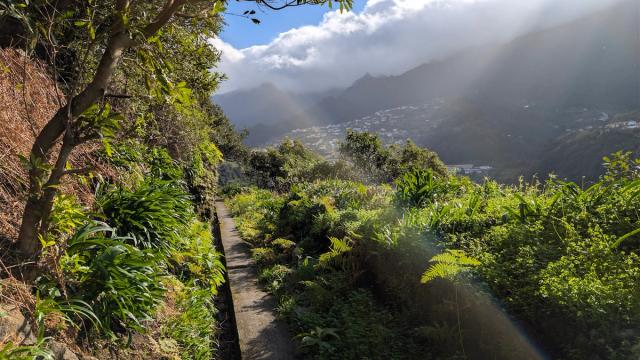
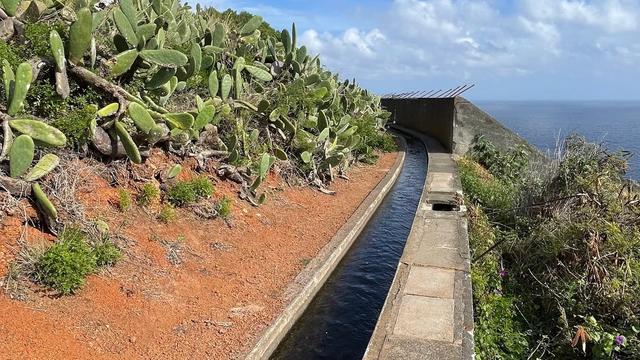

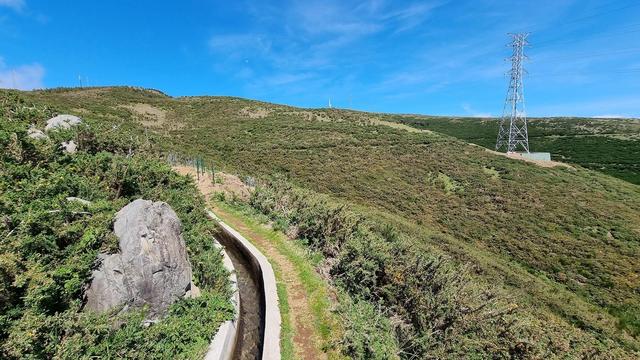

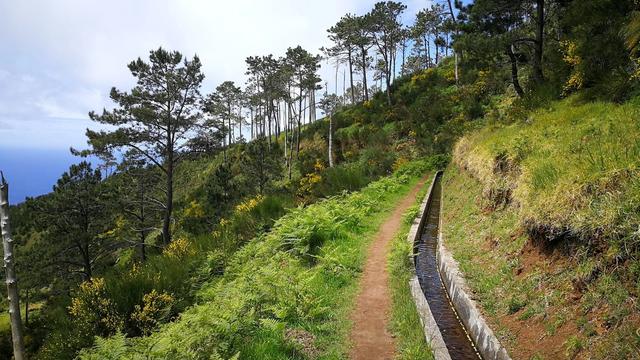
Destinations in Portugal
Regions (2)
Islands (2)
Frequently asked questions
Is the train cheaper than the bus?
No — rail is usually slightly faster on most routes, but it costs more and runs less often. Booking ahead is where the savings sit: five days out takes 40% off, and Intercidades tickets booked between 5 and 60 days ahead get the same 40%. Children aged 4 to 12 and passengers 65 and over travel at half price, and 13 to 25-year-olds get 25% off. Tickets and timetables are on the Comboios de Portugal site.Why is there bread on the table I did not order?
That is the couvert, and it goes on the bill whether you asked for it or not, priced per person. Wave it away when it lands if you do not want it. Overcharging visitors and vague prices are common enough in restaurants and small shops that checking your change is worth the second it takes.How safe is Portugal for a visitor?
Violent crime is not a serious problem and is largely confined to particular neighbourhoods. Pickpocketing is the crime that touches visitors: metro and large rail stations, shopping areas, queues and crowded buses are where it happens, and tourist-heavy areas get the most attention. Keep documents and money in an inside pocket, and on trains sit with other people rather than in an empty carriage.Which airport serves the Algarve?
Faro, which is busiest in the warmer months on charter and low-fare flights from across Europe; a limited number of services to major European destinations run year-round. Lisbon Portela is the main hub with intercontinental connections, Porto's Francisco Sá Carneiro covers the whole north, and Funchal and Ponta Delgada serve Madeira and the Azores.Where do I turn for medical help?
112 for an emergency. For anything short of that, the national health service runs a 24-hour line on 808 24 24 24, and many municipalities keep pharmacies on a late or 24-hour rota, listed online. EU citizens are covered by the Portuguese health system with a European Health Insurance Card; travellers from outside the EU should arrive insured.