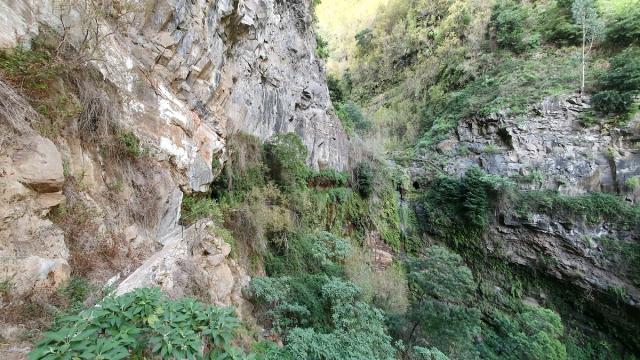
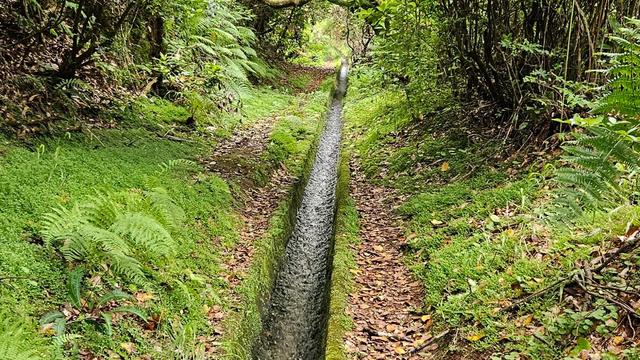
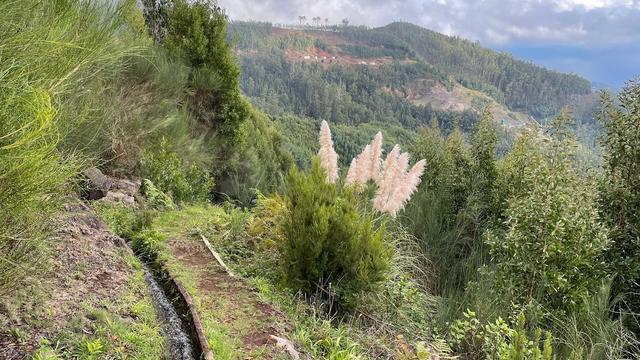
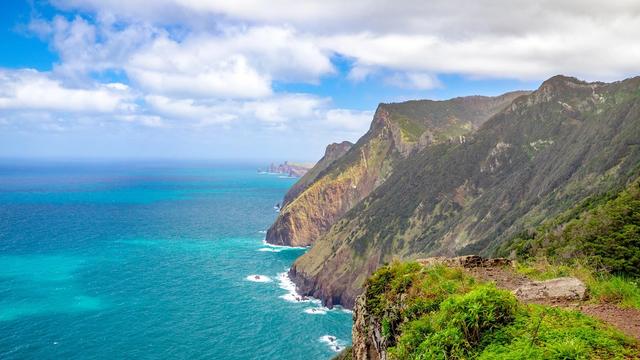
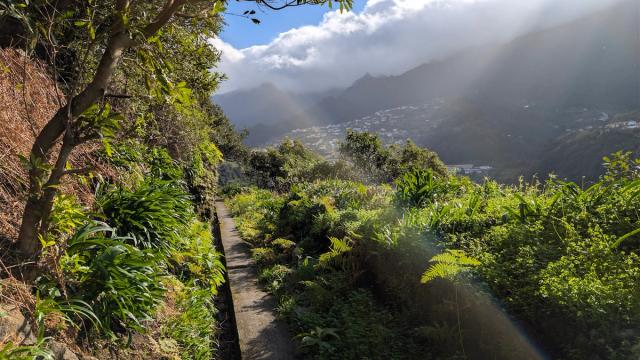
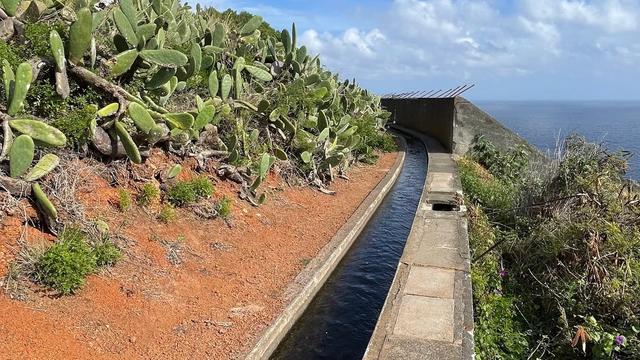
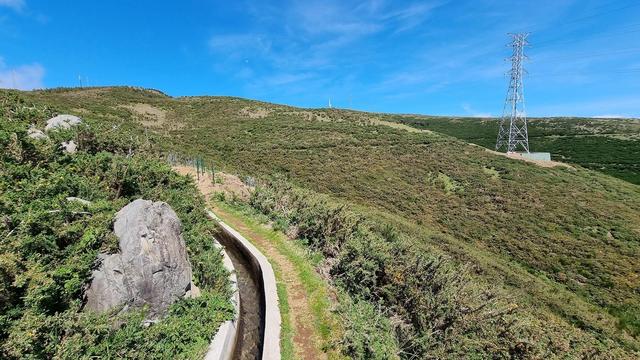
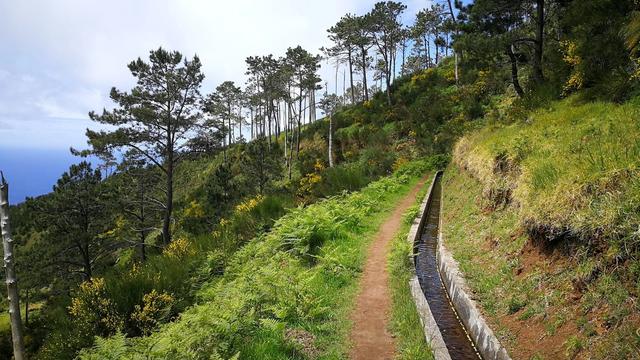
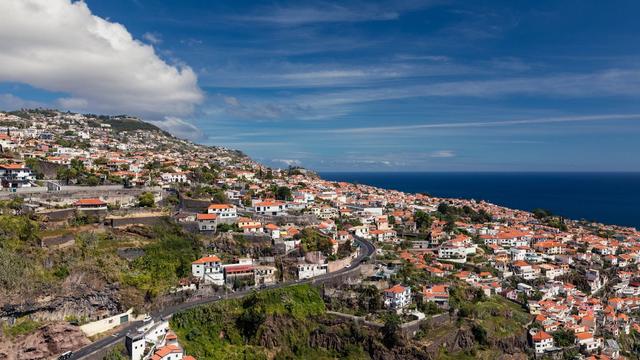
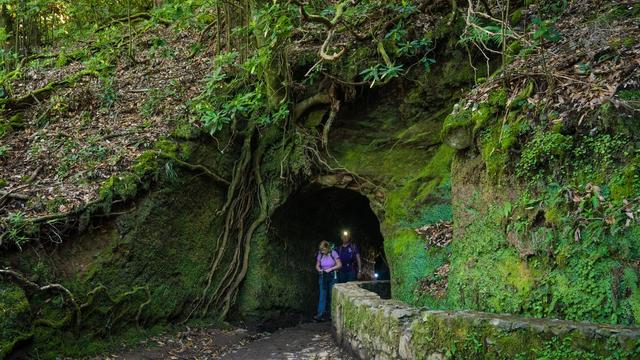
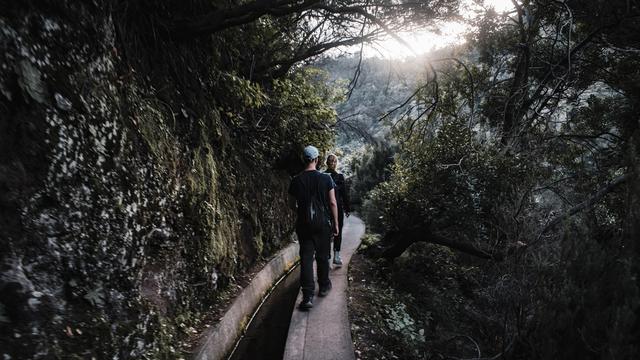
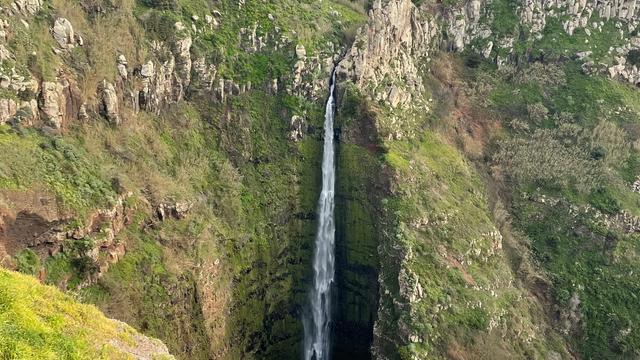
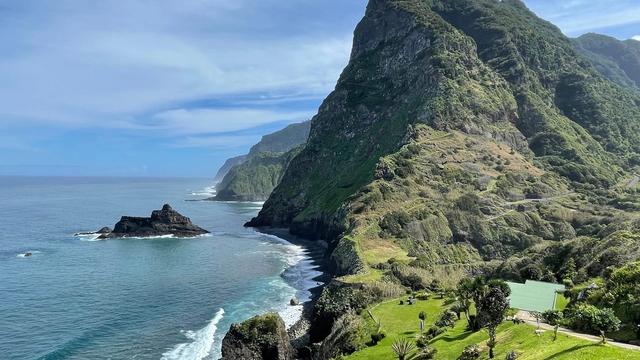
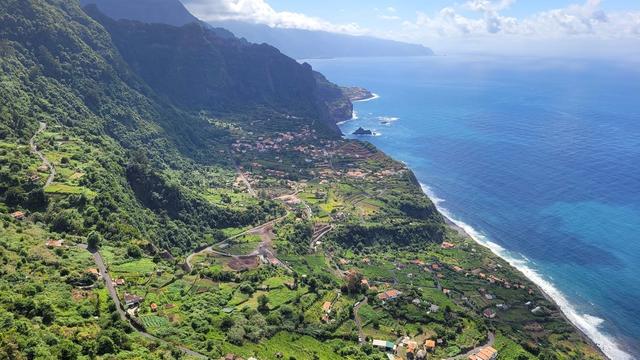
The main island is the top of a shield volcano, and it shows: a ridge runs down the centre to 1,862 m at Pico Ruivo, with sea cliffs and ravines dropping away from it to villages that sit at the river mouths. People come here to walk. From the fifteenth century the levadas carried rain from the wet north to the dry south, and the maintenance paths beside those channels are now the island's level trails through laurel forest that UNESCO lists as World Heritage. Funchal, on the south coast, holds about half the population, and Madeira wine comes off these same slopes.
Madeira Islands

- Currency
- Euro (EUR)
- Language
- Portuguese; English widely spoken
- Power plug
- Type C / F, 230 V, 50 Hz
- Visa
- Schengen
- Time zone
- UTC+0 (UTC+1 in summer)
- Tap water
- Safe to drink
- Tipping
- Not expected; 8–10% for great service
- Emergency
- 112
Things to do
All tours in Madeira Islands on GetYourGuide
Paid links: booking through them supports YowJourney.
When to go
High season
Mar – Apr
Occupancy peaks in March and April, above 70 per cent — the fullest weeks of the year on an island that never quite empties.
High season
May – Sep
The dry half of the year, with a Mediterranean summer drought on the south side while the north stays green. Rain is least likely now, which is what the high walks want.
Low season
Oct – Nov
The autumn rain comes in heavy and runs down the ravines to the sea, and the interior takes the most of it.
Shoulder
Dec – Feb
Winter rain, and in most winters snow on the high peaks, while the coast stays mild — the Gulf Stream and the Canary Current keep the sea temperature working in your favour.
How long to stay
A week is the working figure for the main island. It runs 57 km end to end and 22 km across at its widest, with 150 km of coastline, and the mountain roads across the middle ask for concentration rather than speed. Five days will give you Funchal, a levada walk in the laurel forest, the east coast and a look at the north. Ten adds the west, the high peaks on a clear day and a spare day to write off when the weather turns — autumn and winter rain here is heavy. Porto Santo and its 9 km of beach want a night or two of their own rather than a day trip.
Getting around
Hire a car if you mean to leave the Funchal area: the Vias Rápidas cross the island and the roads reach the points of interest, though the mountain sections are a different kind of driving. Three bus companies split the territory — Horários do Funchal in and around the capital, Rodoeste on the west side, S.A.M. on the east.
The timetables are the honest problem. They carry no clear route detail, and a footnote can switch a service off on a holiday or a school day, so read the footnotes before you count on a return. Tickets come from the driver, who has change; on extra-urban routes tell him where you are going, because the fare goes by distance. Multi-day passes are tied to a single operator, so they only pay off if you stay in one part of the island. Taxis run fixed-price round trips of the sights, and Bolt works here. For Porto Santo it is the car ferry from Funchal, two hours each way and about €25 an adult, or a 15-minute flight.
What to see




Destinations in the Madeira Islands
Islands (1)
Frequently asked questions
Can you reach Madeira by ferry?
No. No ferry serves the archipelago from any mainland — cargo travels by container. Flights land at Cristiano Ronaldo International Airport, about 30 minutes from Funchal in the municipality of Santa Cruz; Lisbon is the most frequent connection, and there are direct flights from over 30 other airports in Europe and on nearby islands.What is parking like at the airport?
There are seven parking areas and they are badly signposted, so ask for directions to the one you actually need rather than following the signs. Some of the smaller car hire companies work from depots near the airport rather than at it, and run their own transport between terminal and depot.Does it snow in Madeira?
On the mountains, in most winters. At the coast the climate is a mild subtropical one: the annual average at the Funchal weather station is 19.6 °C for the 1981–2010 period. Relief decides the rain more than the season does, and the Madeira Natural Park can take 2,800 mm of it in a year.Can you see whales and dolphins here?
Whale watching has grown into one of the island's main trips. Common, Atlantic spotted, striped and bottlenose dolphins and short-finned pilot whales are among the species recorded close to the coast, with Bryde's, sei, fin and sperm whales and beaked whales further offshore.Is Madeira inside the Schengen Area?
Yes. Immigration rules are the same as mainland Portugal's. Madeira is an outermost region of the European Union and part of the Schengen Area, the EU customs area and the EU VAT area.