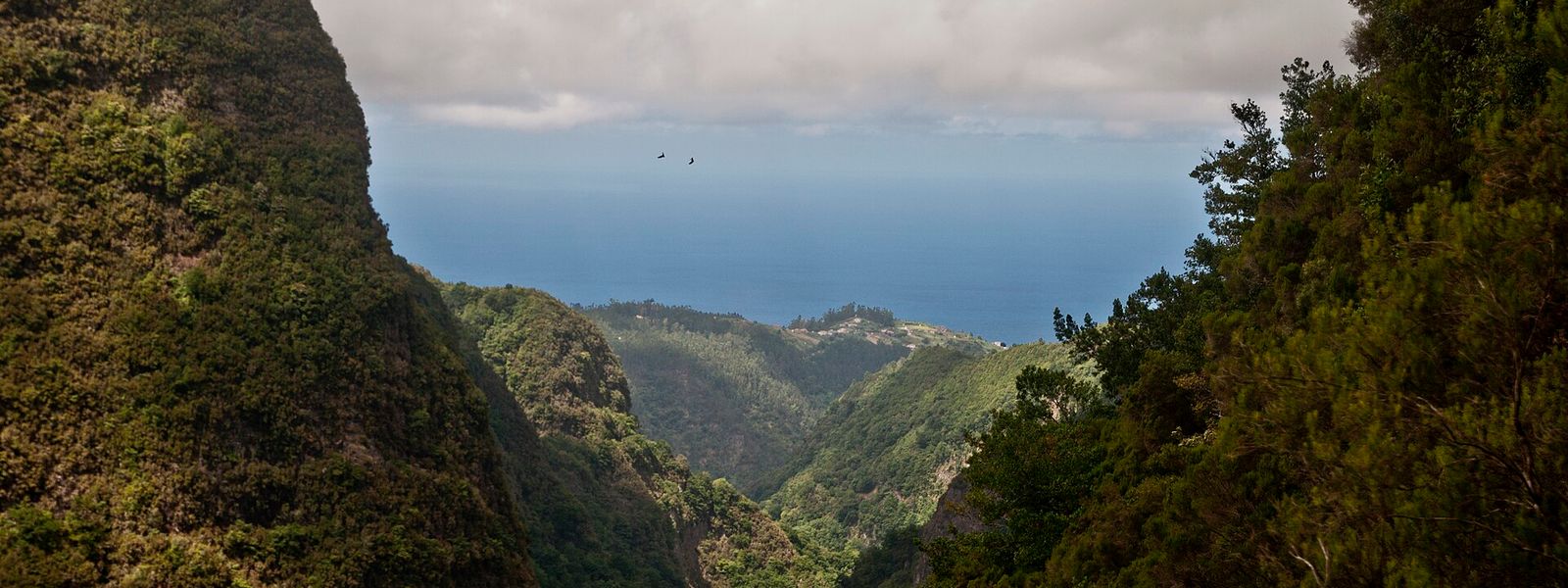
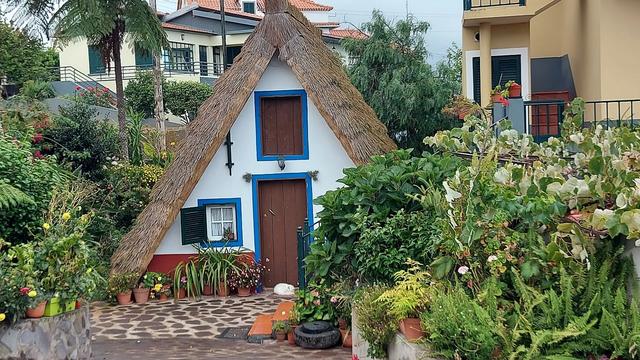
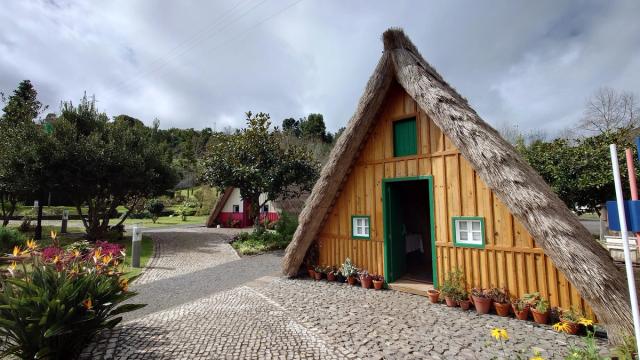
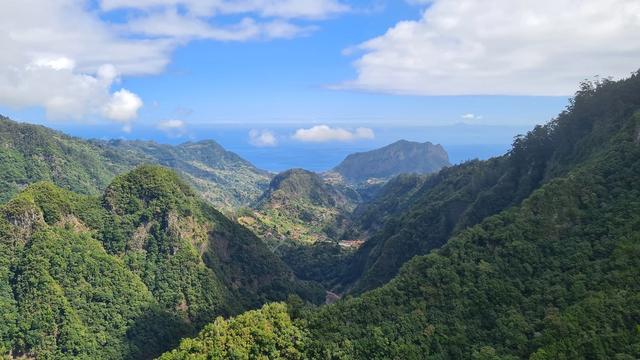
Santana is a municipality on the northern coast of Madeira, 95.47 km² and 6,498 residents across six parishes: Arco de São Jorge, Faial, Ilha, Santana, São Jorge and São Roque do Faial. The town stands on a plateau above the sea, with the mountains far enough back that farming is worked right up to the houses. It is known for the triangular thatched houses — white walls, red doors, blue window trim — once used by farmers, and their straw roofs are re-laid every four to five years. The municipality reaches inland as far as Pico Ruivo and is classified by UNESCO as a World Biosphere Reserve.
Santana
- Currency
- Euro, in place of the escudo since 2002. Multibanco and ATM Express cash machines take international cards almost everywhere and mostly charge nothing of their own, while the Euronet machines clustered in tourist streets take high fees and give poor rates. VAT is already inside every price in shops and restaurants: 23% standard on the mainland, 22% in Madeira and 18% in the Azores.
- Language
- Portuguese, spoken here with a heavy accent even by mainland standards. English gets you about as far as it does on the mainland, and an attempt at a few Portuguese words is always taken well.
- Power plug
- Type C / F, 230 V, 50 Hz
- Visa
- Schengen: entry and short-stay limits follow the common Schengen rules.
- Time zone
- UTC+0 (UTC+1 in summer)
- Tap water
- Safe to drink across the country. Bottled spring water (água mineral) is sold everywhere for those who prefer it.
- Tipping
- Not expected, appreciated for good service. Around 8–10% in a restaurant if the service was exemplary, and it is perfectly acceptable to leave nothing if it was not. No tip for a coffee or a cake; €1–2 if you eat a full meal in a café. Nothing in pubs and bars. In a taxi, round the fare up and add €1–2.
- Emergency
- 112
When to go
Shoulder
Apr – May
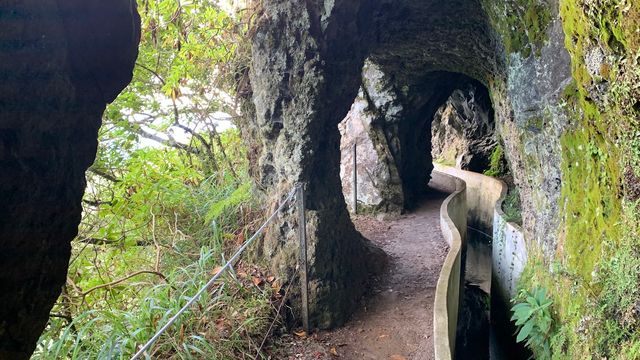
Rain eases off the northern slope and the levada paths above the town come into their own. Coaches are already running to the thatched houses, but the town empties again once they leave.
High season
Jun – Sep
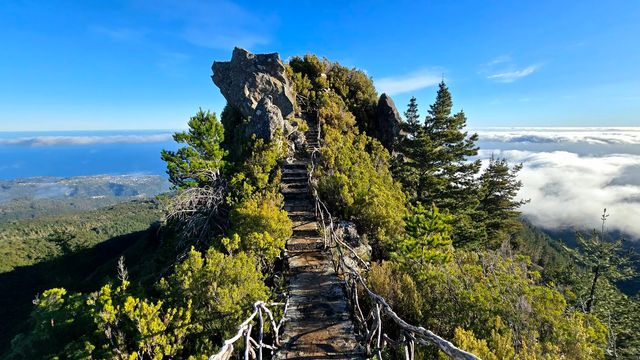
The least wet stretch of the year — July measures 47.1 mm at Queimadas Forest Park, up at 860 m. Even so, the park sits inside the cloud belt of the central massif, so mist on the forest trails comes with the season rather than spoiling it.
Low season
Oct – Mar
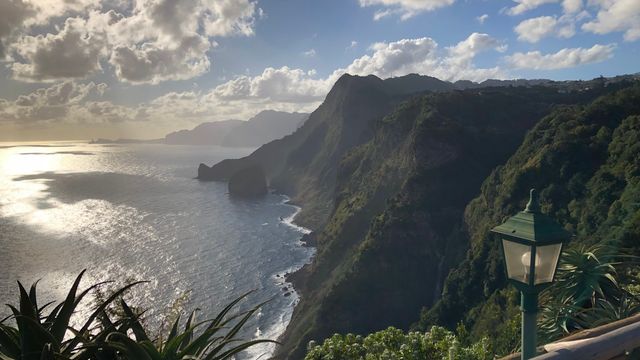
The wet half of the year on this coast: November is the wettest month at Queimadas, 391 mm, and no month here is dry. The upland tracks stay wet and the sea view from the plateau goes into cloud.
How long to stay
Santana works as a day trip from Funchal: 40 minutes each way by the ER-101 leaves the whole day for the thatched houses and the forest above the town. A night or two earns its keep if the walking is the point, because the trailheads in the uplands are then on your doorstep and you are out on the paths before the coach tours reach the town's restaurants at lunchtime.
Getting around
A car does the work here. The coastal road ER-101 puts Santana about 40 minutes from Funchal and about 20 minutes from the airport at Santa Cruz. West of the town the expressway tunnels run out, and as far as Ponta Delgada the old coastal road follows every valley cut, narrow and winding — more a drive taken for its own sake than a way of covering ground.
Buses work too. SAM and Horários do Funchal (lines 56 and 129) link Santana with the capital and the airport, running either along the east coast or through the eastern hill country. Westwards there are services to Arco de São Jorge, and from there Rodoeste continues to São Vicente, Ribeira Brava and Porto Moniz — the Porto Moniz run involves an awkward change in São Vicente.
What to see

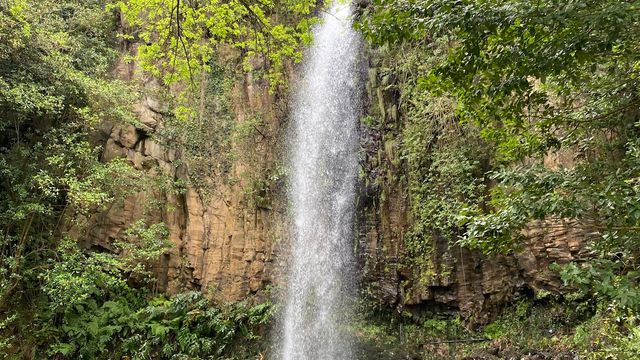




Destinations in Santana
Frequently asked questions
How do you get to Santana from Funchal or the airport?
By car on the coastal road ER-101 it is about 40 minutes from Funchal and about 20 minutes from the airport at Santa Cruz. By bus, SAM and Horários do Funchal run lines 56 and 129 to the capital and the airport, by the east coast or through the eastern hill country.What is Santana known for?
The triangular thatched houses — white walls, red doors, blue window trim — built as rural homes by farmers during the settlement of the island. Most of the surviving ones are now visitor attractions, and the straw roofs are replaced every four to five years.Is there a market?
A farmers market runs on Sundays, 09:30 to 18:00.When should you avoid the restaurants?
At lunchtime. The larger restaurants take the daily bus tours then; the hotels all have restaurants of their own, and Quinta do Furão has a panoramic terrace.Can you drive west along the coast from Santana?
Yes, but this is the one stretch of the north coast the expressways have not tunnelled under. As far as Ponta Delgada the old road is very narrow and winding and follows every valley cut, so allow far more time than the distance suggests.