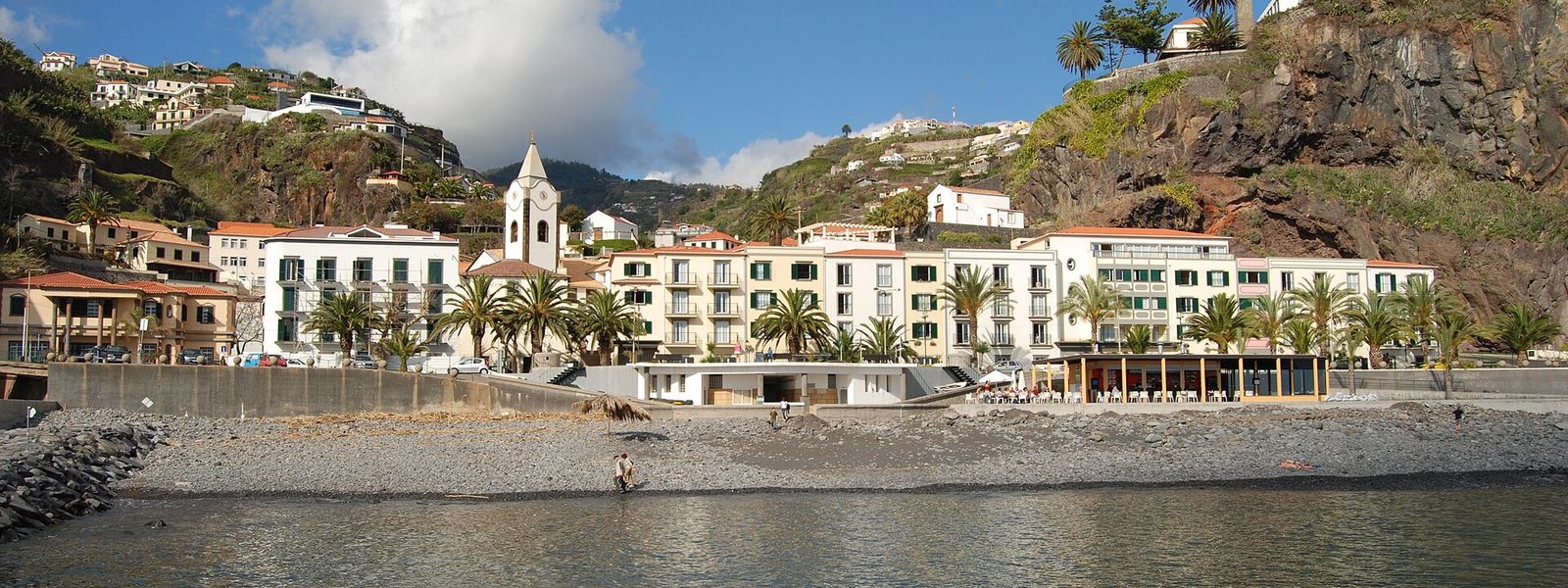
Ponta do Sol lies on the southwestern coast of Madeira, between Ribeira Brava and Calheta, and is linked to Funchal by the main regional road. The name translates as Cape of the Sun. Settlement began around 1420, soon after the island was discovered, and the small harbour served for centuries as the commercial gateway to western Madeira before its trade declined. The municipality covers three parishes — Canhas, Madalena do Mar and Ponta do Sol — with 8,862 residents in 2011. Agriculture still holds the interior, and levada trails run inland from the coast.
Ponta do Sol
- Currency
- Euro, in place of the escudo since 2002. Multibanco and ATM Express cash machines take international cards almost everywhere and mostly charge nothing of their own, while the Euronet machines clustered in tourist streets take high fees and give poor rates. VAT is already inside every price in shops and restaurants: 23% standard on the mainland, 22% in Madeira and 18% in the Azores.
- Language
- Portuguese, spoken here with a heavy accent even by mainland standards. English gets you about as far as it does on the mainland, and an attempt at a few Portuguese words is always taken well.
- Power plug
- Type C / F, 230 V, 50 Hz
- Visa
- Schengen: entry and short-stay limits follow the common Schengen rules.
- Time zone
- UTC+0 (UTC+1 in summer)
- Tap water
- Safe to drink across the country. Bottled spring water (água mineral) is sold everywhere for those who prefer it.
- Tipping
- Not expected, appreciated for good service. Around 8–10% in a restaurant if the service was exemplary, and it is perfectly acceptable to leave nothing if it was not. No tip for a coffee or a cake; €1–2 if you eat a full meal in a café. Nothing in pubs and bars. In a taxi, round the fare up and add €1–2.
- Emergency
- 112
When to go
Shoulder
Apr – May
The hillsides above the town are at their greenest and the levada trails inland are quiet. Warm enough on the seafront without the summer crowd.
High season
Jun – Sep
The south coast holds the sun while cloud banks against the north of the island, and the town is at its busiest. The seafront faces southwest, so the light stays on it late into the evening.
Shoulder
Oct – Nov
Rain returns to Madeira and the mountain trails behind the coast turn wet, but the sea stays warm and the town empties out.
Low season
Dec – Mar
The wet half of the year. Swell runs into the bay, cloud sits low over the ridges inland, and walking plans depend on the weather rather than the calendar.
How long to stay
A night or two fits the place. The seafront and the old centre take an afternoon, and the rest of the time goes on the levada trails that cross the municipality. Stay longer if Ponta do Sol is the base for the western half of Madeira: Ribeira Brava and Calheta are both neighbours, and Funchal is a drive along the south coast.
Getting around
The main regional road along the south coast does the work here. Funchal and the island's airport lie east, Ribeira Brava and Calheta sit either side, and a hire car is the practical way to move between the three parishes — Ponta do Sol on the water, Madalena do Mar along the coast, Canhas inland. On foot, the municipality is crossed by hiking trails that follow the levadas, the aqueducts that carry water down from the mountains. One honest note: the old harbour was once the commercial gateway to the western half of Madeira, and it no longer plays that part. Everything now arrives by road.
What to see

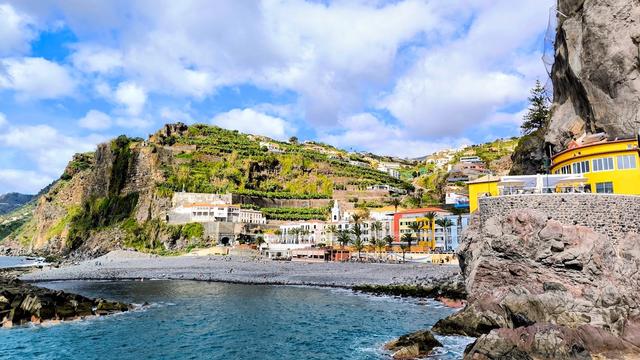


Destinations in Ponta do Sol
Frequently asked questions
Where is Ponta do Sol?
On the southwestern coast of Madeira, between Ribeira Brava and Calheta. The main regional road links it to Funchal, the island capital, and to the surrounding communities.What does the name mean?
Cape of the Sun. Ponta do Sol is also the name of the civil parish on the coast and of the municipality as a whole.How large is the municipality?
About 46 km², with a population of 8,862 recorded in 2011. It covers three civil parishes: Canhas, Madalena do Mar and Ponta do Sol, the last of which held 4,577 people in 2011.Is there walking here?
Yes. A number of pedestrian trails cross the municipality, mostly following the levadas — the aqueducts that bring water down from the mountains to the terraces and the coast.Why is Ponta do Sol connected with Curaçao?
In the mid-twentieth century many residents of Ponta do Sol emigrated to the Netherlands Antilles, drawn by work at the Shell refinery on Curaçao and pushed by hard economic conditions at home. Madeirans made up the bulk of Portuguese migration there, and their descendants still live on the island.