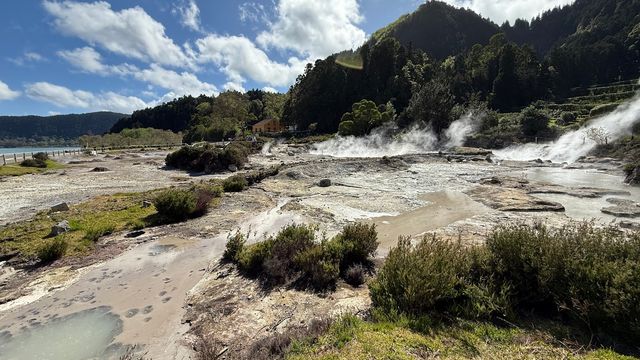
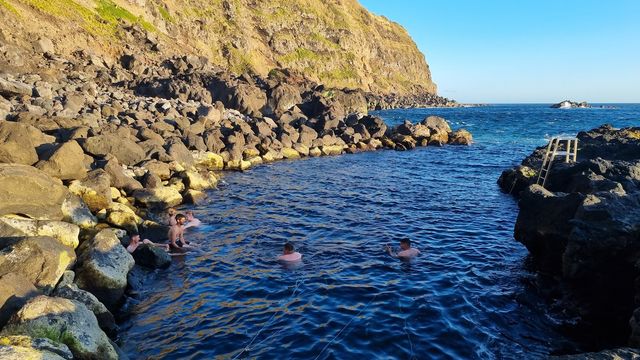
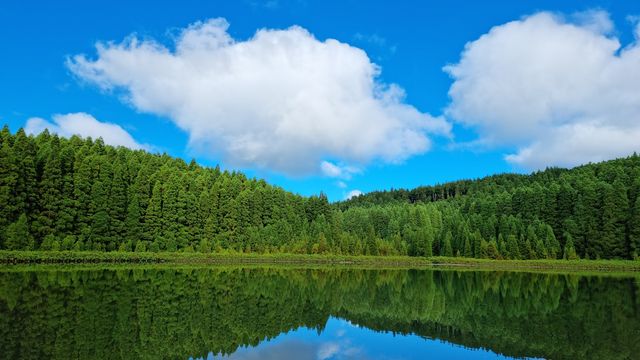
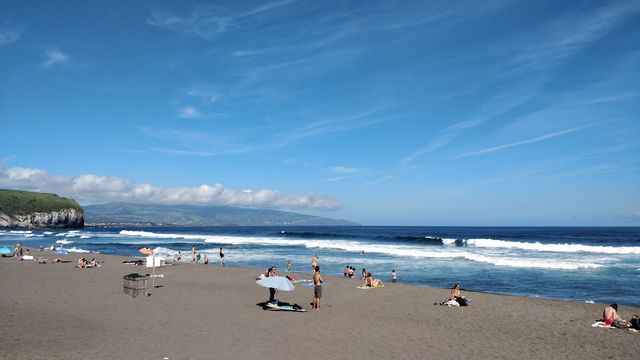
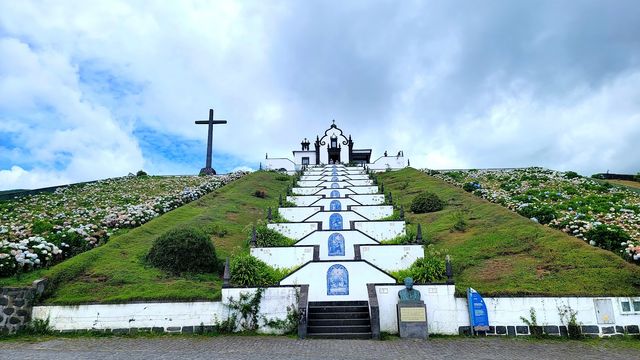
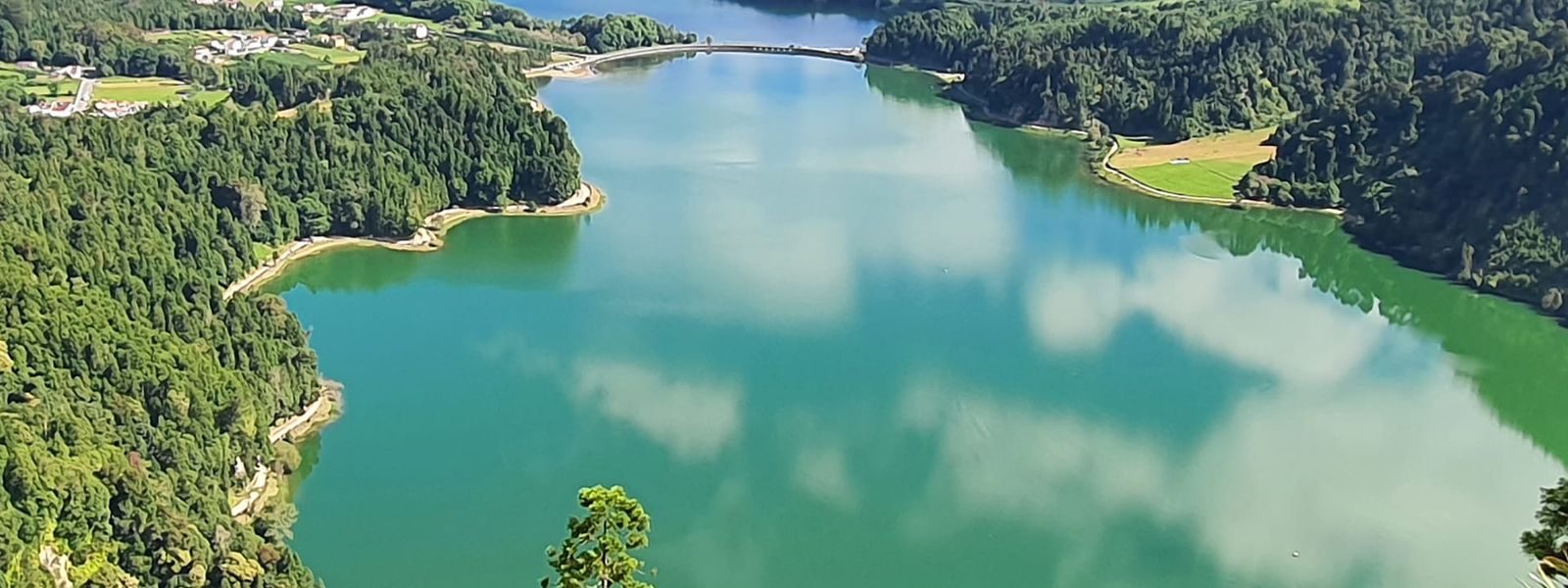
The largest and most populous island of the Azores, São Miguel draws most visitors to the archipelago. Locally known as 'The Green Island', its landscape blends traditional Portuguese towns with cobblestone streets, windmills and old churches alongside volcanic peaks, crater lakes—the iconic Sete Cidades and Lagoa de Fogo—and forests with scenic waterfalls. Much of the island's character comes from its volcanic origins and ongoing geothermal activity, particularly in the Furnas area, where natural hot springs are popular and traditional meals are cooked using heat from active vents. Outdoor activities abound: hiking trails, kayaking, diving, snorkelling near Villa Franca de Campo, and seasonal whale watching in summer. Though black-sand beaches exist, most coastline is rocky with rough surf and strong currents, unsuitable for traditional beach holidays.
Sao Miguel
- Currency
- Euro (EUR); cash often needed
- Language
- Portuguese; English widely spoken
- Power plug
- Type C / F, 230 V, 50 Hz
- Visa
- Schengen
- Time zone
- UTC−1 / UTC+0
- Tap water
- Safe to drink
- Tipping
- Not expected; 8–10% for great service
- Emergency
- 112
Things to do
Paid links: booking through them supports YowJourney.
When to go
High season
Jun – Aug
High season with longest daylight, whale watching active, warmest weather.
Shoulder
Mar – May
Spring season; fewer crowds than summer, though Portuguese Man o'War concentrations peak in spring.
Shoulder
Sep – Nov
Autumn transition; declining crowds as summer ends.
Low season
Dec – Feb
Winter; cooler and wetter with shortest days and fewest visitors.
How long to stay
Three to five days allows thorough exploration—visiting the main towns of Ponta Delgada and Ribeira Grande, the crater lakes of Sete Cidades and Lagoa de Fogo, geothermal areas around Furnas, and the numerous hiking trails. A full week suits those combining land activities with diving or whale watching.
Getting around
Car rental is the most flexible way to explore the island. São Miguel is small enough to drive in a day, though three days allows a more leisurely pace; many sites are accessible only by car. Book a rental in advance to avoid long waits at the airport. Petrol costs approximately €1.45 per litre.
Taxis operate from the airport to central Ponta Delgada; three passengers pay around €10.
Three bus companies operate island-wide routes covering towns and attractions. Services are usually uncrowded and clean, with journeys rarely exceeding 90 minutes due to short distances. Urban routes within Ponta Delgada run as smaller mini-buses; inter-town travel uses larger coaches. Timetables are available at bus stops and the tourist office.
Seasonal summer ferry service connects São Miguel to Santa Maria and Terceira via Atlanticoline.
Local rules
Roads are often narrow with blind curves and steep inclines; heed warning signs and avoid poorly marked dirt roads, whose conditions can deteriorate suddenly and make exit difficult. Wandering livestock and poor lighting increase night-driving hazard. Lock vehicles and do not leave valuables visible, as theft from parked cars occurs, particularly at trailheads.
On beaches, watch for strong currents and rough undertow; obey lifeguard warnings and flags. The Portuguese Man o'War—a venomous jellyfish-like creature with tentacles extending up to 46 metres—concentrates on coasts in spring. Never touch one, even if washed ashore; the sting is extremely painful even post-mortem. If stung, apply ocean water to remove tentacles, then soak in hot water mixed with Epsom salts. Seek immediate medical care for severe reactions.