Museu de Electricidade Casa da Luz is a museum of electricity in central Funchal, on the island of Madeira. Its displays follow the island's power supply from oil and diesel generators to hydroelectric, wind and solar systems, using vintage tools, machinery and dioramas of the spread of electric lighting. A set of photographs of the February 2010 floods hangs among the exhibits. The museum is small and half an hour is enough to see it, which makes it a straightforward stop on a wet day in the city centre.
Museu de Electricidade Casa da Luz

Between the old generators hangs a set of photographs of the February 2010 floods that tore through Madeira.
- Accessibility
- Wheelchair-accessible entrance, toilet and parking.
- Parking
- Parque Almirante Reis, a paid car park, is about 60 m away. A free car park with a stone-sett surface is about 90 m away. Wheelchair-accessible parking is available.
- Transport
- The Museu bus stop is about 20 m from the entrance; the Rua Artur Sousa Pinga stop is about 30 m away.
- Hours
- Tuesday to Saturday, 10:00–12:30 and 14:00–18:00. Closed on Sunday and Monday.
What makes it special
The museum is built around one story: how Madeira powered itself. The displays run from oil and diesel generators to the hydroelectric, wind and solar systems that replaced them, with the machinery and hand tools of each stage set out along the way. Dioramas trace the spread of electric lighting across the islands. The building is part of the subject — Casa da Luz was Funchal's power station before it was a museum.
The presentation is plain rather than interactive, and the labelling is uneven: the ground floor carries English descriptions, the floor above has far fewer. Staff know the collection and are used to filling the gaps. A set of photographs of the February 2010 floods hangs among the exhibits and has nothing to do with turbines.
Good to know
- English labels are a ground-floor thing. The lower displays are described in English; upstairs there is little or none.
- Half an hour covers it. The museum is small, and the rooms are densely filled rather than large.
- The temporary exhibition space can be empty. Come for the permanent displays; anything extra is a bonus.
- There are toilets inside, and free public toilets stand within about 100 m of the entrance.
- It works for children. Dioramas, switchgear and old machinery hold attention better than the subject suggests.
Getting there
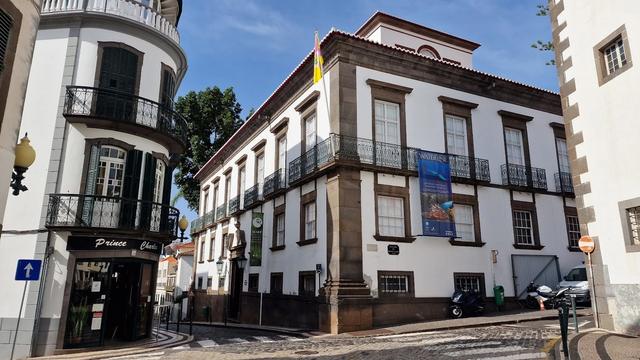
The museum stands in central Funchal, close to the seafront. Buses stop directly outside, so the walk from the stop is a matter of metres. Drivers have two car parks within about 100 m, one of them surfaced in stone setts. From either, the approach is flat pavement and the entrance is at street level, with no steps or stairs to negotiate before the door. The ruins of São Filipe Fortress are about 100 m away, if you want to pair the two.
Best time to visit
Better: an overcast or wet day, when the viewpoints and levada walks give nothing back.
Avoid: Sundays and Mondays, when the museum is closed, and the middle of the day, when it shuts for lunch.
Everything here is indoors and takes about half an hour. That makes it an easy fill for a gap in the day rather than a destination you build the day around.
Sun & daylight
Nearby Places


Similar Places

Your whole travel map in one place
Get inspired by new places around the world and find the ones worth the journey
Frequently asked questions
How long does a visit take?
About half an hour. The museum is small, but the rooms are densely filled, so it is worth reading rather than walking straight through.Is there information in English?
On the ground floor, yes — the displays there carry English descriptions. Upstairs there is little or none. Staff are helpful and will explain the exhibits.Is it worth taking children?
Yes. The dioramas and the old machinery are the parts that work best with children, and the museum is set up for family visits.Is the museum wheelchair accessible?
Yes. The entrance is wheelchair accessible, there is a wheelchair-accessible toilet inside, and wheelchair-accessible parking is available nearby.