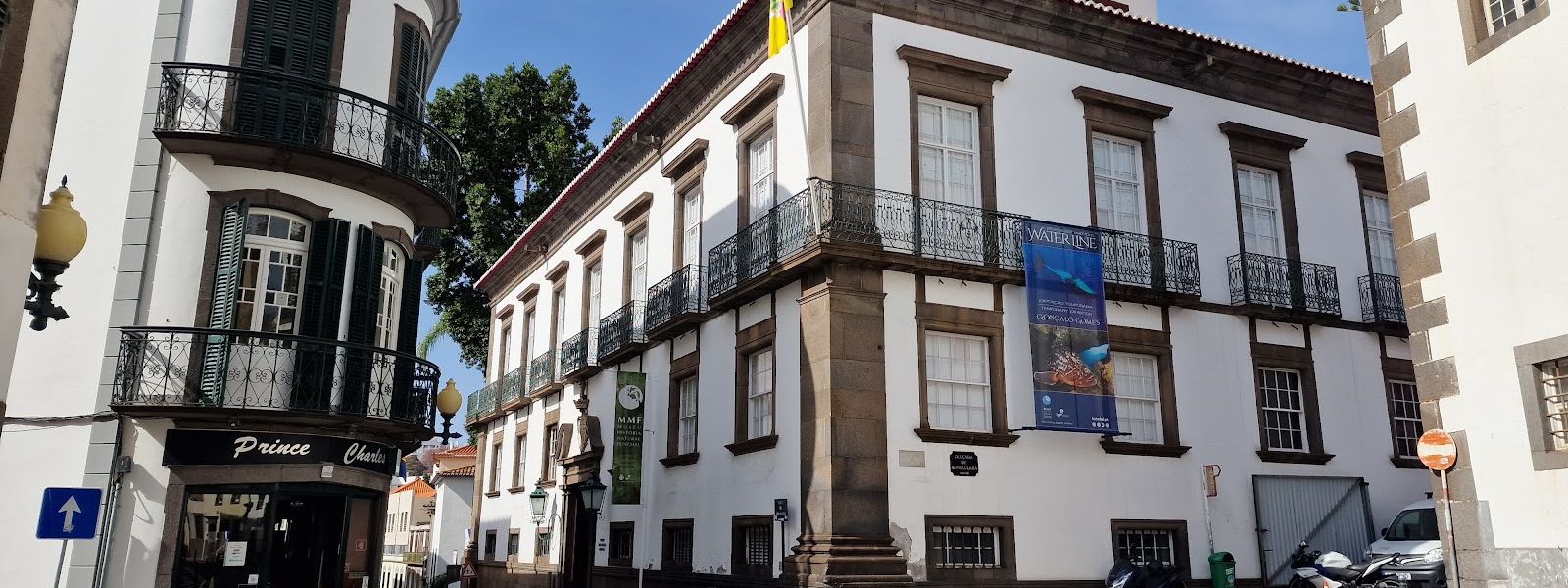
The Natural History Museum in Funchal opened in 1929 and occupies the Palace of Saint Peter (Palácio de São Pedro), in the centre of the city on Madeira. The collections cover the natural history of the island: birds, fish and other marine life, with smaller holdings of fossils, mammals and insects. Some specimens come from catches made in the 18th century. A garden of flowering and aromatic plants belongs to the building and is part of the visit, and the museum also runs temporary exhibitions. It is a small museum, and a stop here fits easily into a day in Funchal.
- Entrance
- Children enter free. Adults pay a low entrance fee.
- Accessibility
- No wheelchair-accessible entrance and no accessible parking. There is a lift inside the building.
- Parking
- A free car park about 50 metres away, surfaced with stone setts. The car park nearest of all is private.
- Transport
- Buses stop at Cota 40 Cruz Vermelha (stops H877A and H282), about 250 metres from the museum.
- Hours
- Tuesday to Saturday, 10:00–18:00. Closed Monday and Sunday.
What makes it special
The collections are the point here. Cases of Madeiran birds and marine life fill the main rooms: unusual deep-water fish, crabs and lobsters, with fossils, mammals and insects alongside. Some of the specimens were caught in the 18th century. The museum is small and does not pretend otherwise, which is part of why it works with children — the fish and crab cases do the job on their own.
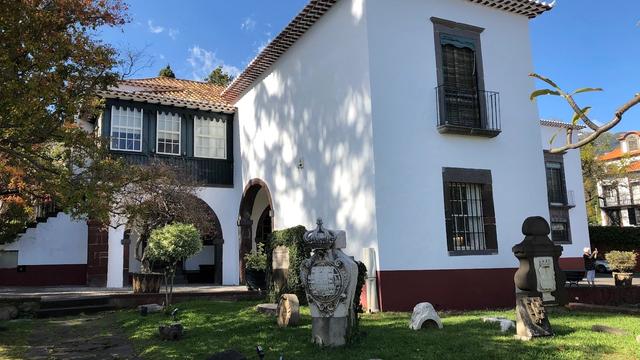
A garden of flowering and aromatic plants belongs to the museum and is open as part of the visit. It is where most people slow down, and it is the reason a stop here takes longer than the display rooms alone would suggest. Temporary exhibitions run as well; a recent one used large screens showing film of Madeiran wildlife.
Good to know
- Children: entry is free for children, and the cases of fish, crabs and birds hold their attention.
- Library and aquarium: the museum has both, but they are not always open to visitors.
- Toilets: there are toilets inside the museum, and public toilets about 160 metres away.
- Rain: the garden is outdoors. In wet weather the visit shrinks to the display rooms.
Getting there
The museum stands in central Funchal, and the last stretch is done on foot through city streets. The nearest bus stops are about 250 metres from the door. Drivers get closer still: there is parking within about 50 metres of the entrance.
Best time to visit
Better: a dry day, and early enough to give both the garden and the rooms an unhurried look.
Avoid: arriving close to closing time.
The garden of flowering and aromatic plants is half the reason to come, and it is outdoors. In rain you are left with the display cases, and there are not many of them.
Sun & daylight
Nearby Places



Similar Places


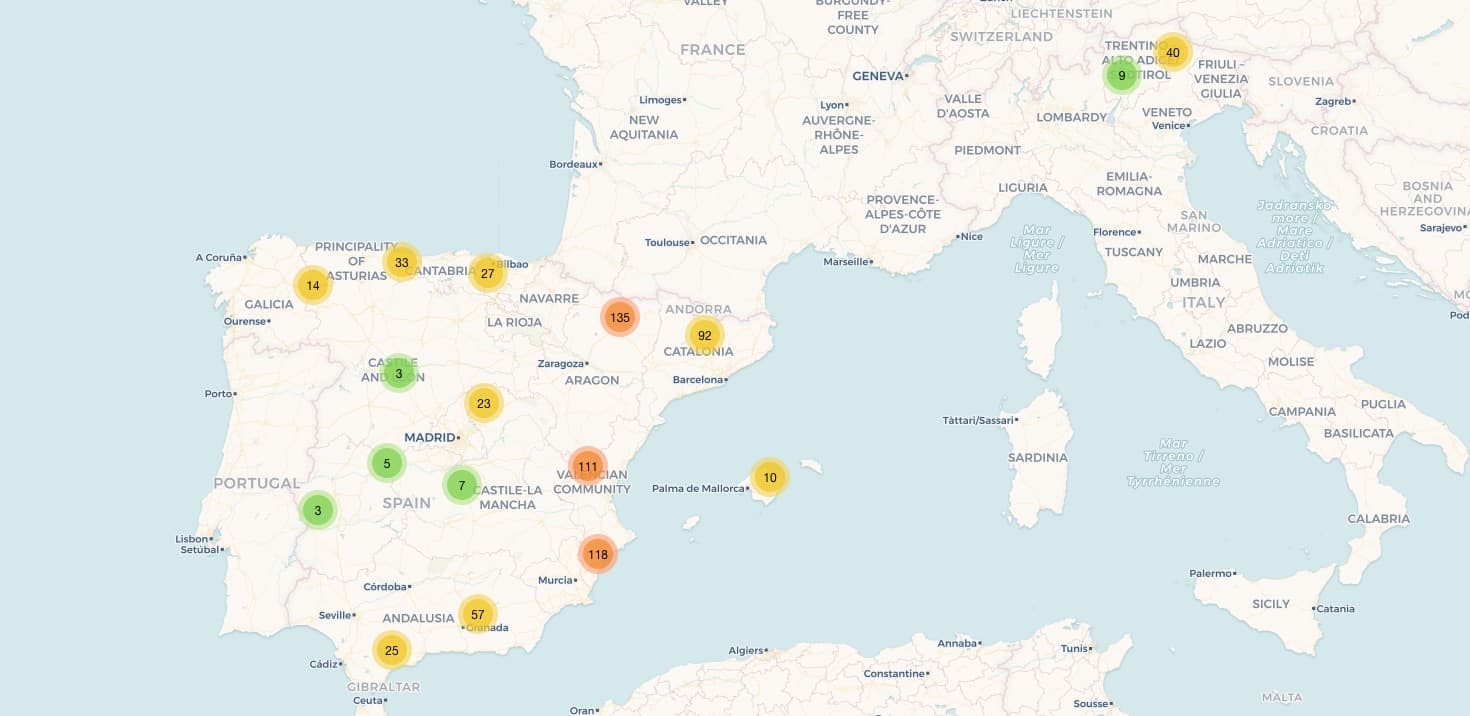
Your whole travel map in one place
Get inspired by new places around the world and find the ones worth the journey
Frequently asked questions
Is the museum worth it with children?
Yes. Children enter free, and the cases of fish, crabs, lobsters and birds are the part that holds them. There are toilets in the building.What is on display?
Madeiran birds and marine life make up the bulk of the collection, with fossils, mammals and insects alongside. Temporary exhibitions run in addition; a recent one used video screens showing island wildlife.Is the museum wheelchair accessible?
No. Neither the entrance nor the parking beside it is wheelchair accessible. There is a lift inside the building.Is there a garden?
Yes. A garden of flowering and aromatic plants belongs to the museum and is open as part of the visit.Can the library and the aquarium be visited?
The museum has both, but they are not always open. Ask on arrival rather than counting on them.