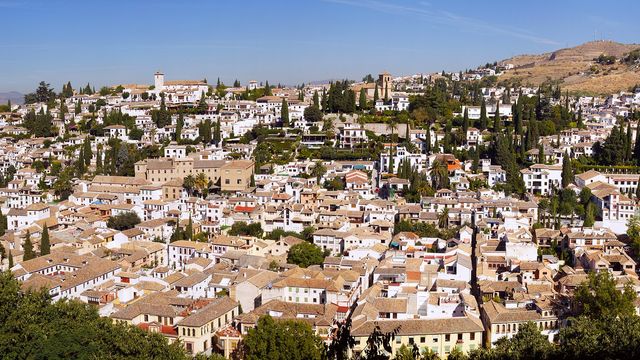
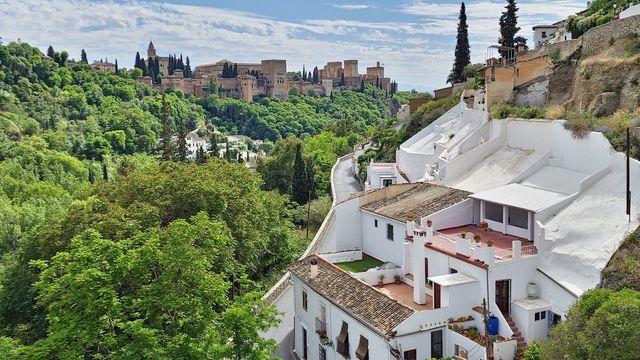
Granada was the capital of the Nasrid emirate, the last Muslim-ruled state in Iberia, until it surrendered in 1492. The Alhambra and the Generalife hold the hill above the city, and the Albaicín faces them across the Darro, its lanes still on the medieval plan. Travellers come for the palaces, the cave houses and flamenco of Sacromonte, the cathedral and the Royal Chapel where the Catholic Monarchs lie, and bars that serve a free tapa with each drink.
Granada

- Currency
- Euro (EUR)
- Language
- Spanish; English in tourist areas
- Power plug
- Type C/F, 230 V
- Visa
- Schengen
- Time zone
- UTC+1 / UTC+2 (CET/CEST)
- Tap water
- Safe; mineral taste in the south
- Tipping
- Not expected; 5–10% for great service
- Emergency
- 112
Things to do
All tours in Granada on GetYourGuide
Paid links: booking through them supports YowJourney.
When to go
High season
Mar – May
Spring days run from mild to warm, the easiest weather for the climbs to the Alhambra and through the Albaicín.
Shoulder
Jun – Aug
Summer is hot and dry, with July days averaging 34 °C and passing 40 °C often enough, and once the students have gone home the nightlife goes quiet.
High season
Sep – Oct
Autumn swings between mild and warm again, and rain spells lasting several days begin to arrive.
Low season
Nov – Feb
Winter is cool and damp, with most of the rain falling from November to January, frost in the early mornings and snow staying up on the Sierra Nevada.
How long to stay
Two to three days covers the city. The Alhambra and the Generalife take most of one, the Albaicín and Sacromonte fill another, and the cathedral, the Royal Chapel and an evening going from bar to bar for tapas make the third. Add a day for the Sierra Nevada or the Costa Tropical, 50 km away.
Getting around
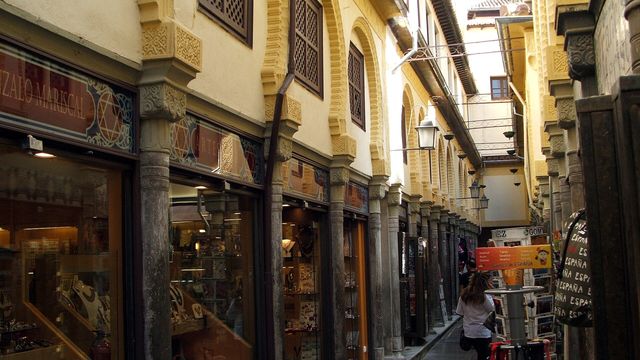
Most of what a visitor comes for lies within walking distance of the centre, and walking is the way to see the old quarters. The streets are short, winding and cobbled, many too short to carry a name on a map, and scooters dart down alleys where the pavement is only a row of iron posts. Church towers and the two hills keep you oriented.
The Albaicín and the approaches to the Alhambra climb by stairways and steep lanes, and the climb wears people out. City buses reach the main sights, and the small Alhambra buses run up streets the regular buses cannot. A single metro line crosses the city and runs on to Albolote, Maracena and Armilla. The rechargeable green travel card, sold in tobacco shops, covers the metro, city and regional buses and regional trains at a lower fare. Official taxis are white with a green stripe.
Local rules
Rosemary sellers. Around the cathedral and at other tourist spots, women hold out sprigs of rosemary, then demand payment once you take one, and coins will not satisfy them. Keep your hands to yourself, avoid eye contact and say a firm "No, gracias".
Pickpockets. Violent crime is rare; theft is the real risk, worst in tourist areas and around the cathedral, sometimes by teams working a distraction. Police officers generally do not speak English, and an insurance claim needs a report from the police station.
Afternoons and Sundays. Most shops close for siesta in the afternoon and nearly everything is shut on Sunday. Department stores and chain stores are the exception.
What to see
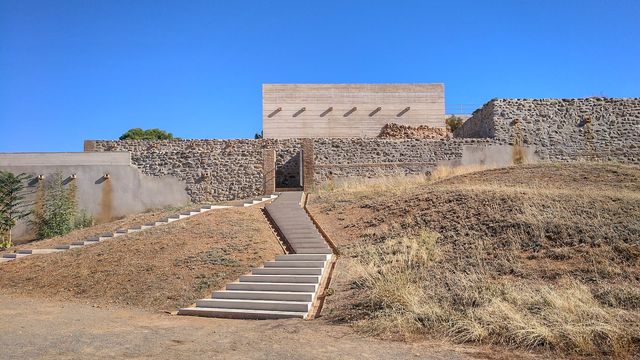
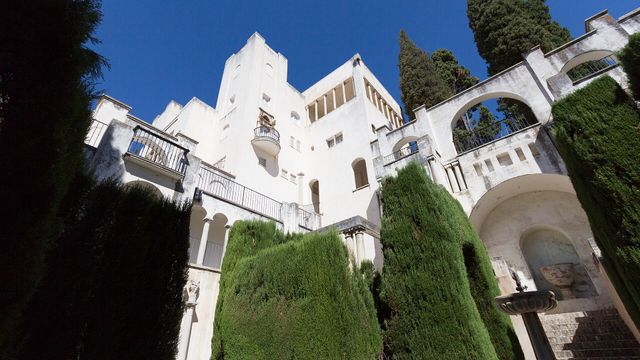
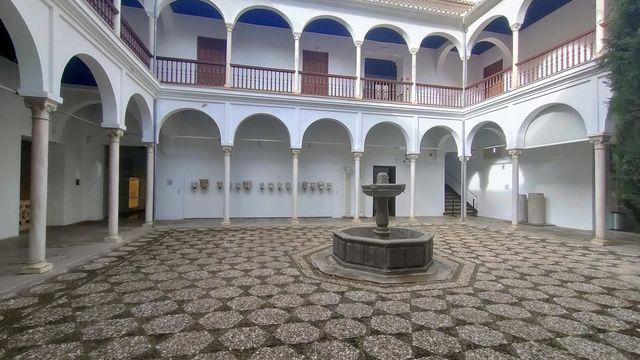
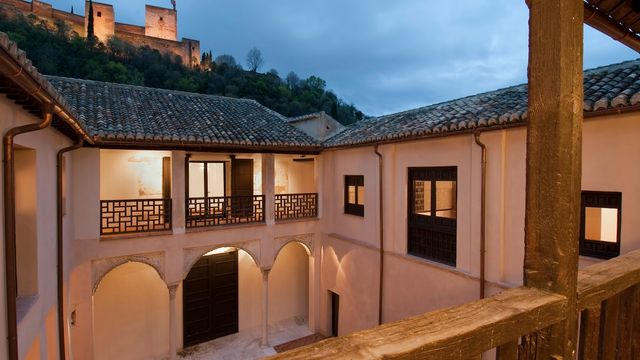
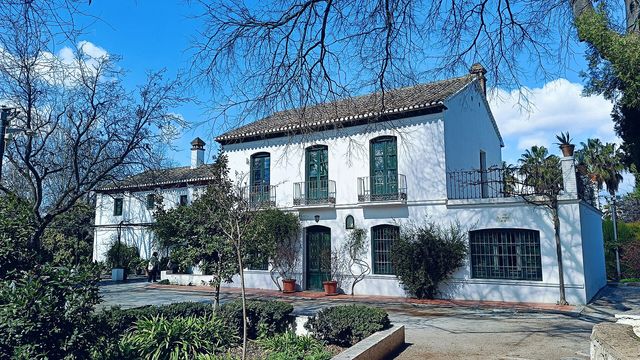
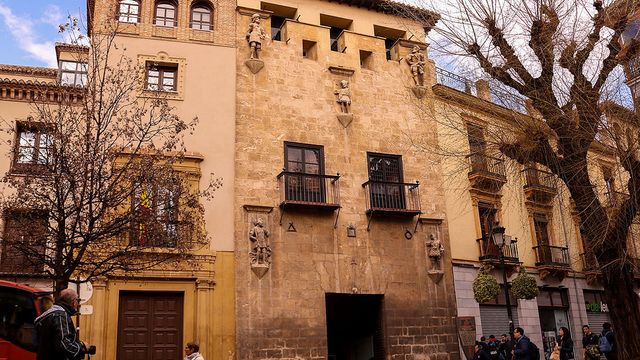
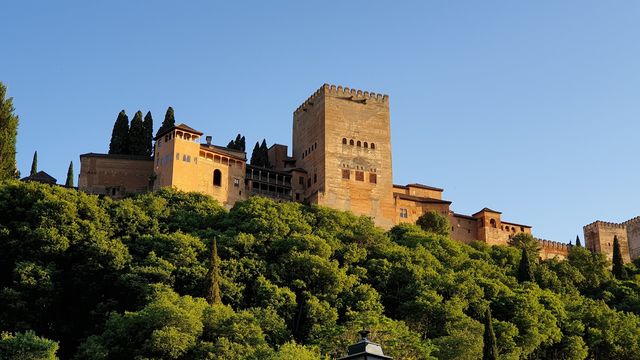
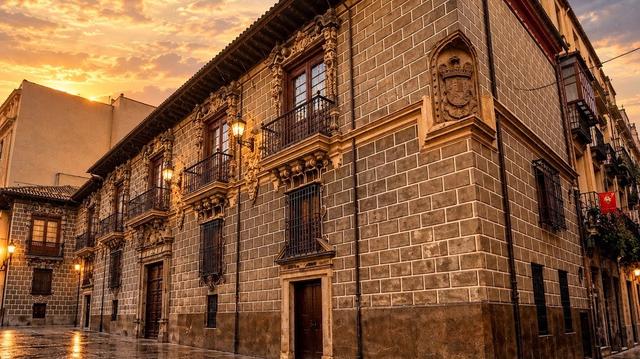
Destinations in Granada
Frequently asked questions
Are tapas really free in Granada?
Yes. Most bars serve a tapa free with each drink, which sets Granada apart from much of Andalusia. Calle Elvira and the streets north of Plaza Nueva hold the densest run of tapas bars. Locals eat late, and at 20:00 many bars are still empty.How do I get from the airport into the city?
Federico García Lorca Granada-Jaén Airport lies about 15 km west of the city. Alsa runs the airport bus into Granada, and taxis make the trip too.Is there skiing near Granada?
The Sierra Nevada Ski Station is close to the city and hosted the 1996 FIS Alpine World Ski Championships. The mountains stay snow-capped through the winter, while in the city itself snow falls only once every few years.What should I pack for Granada?
From about November to April, bring a jacket and warm clothes: January nights drop to around 1 °C and early-morning frost is common. Summer heat is dry. For the old quarters, wear shoes that grip on cobbles and stairs.