The Museum of Popular Arts and Customs of Seville occupies the Mudéjar Pavilion (Pabellón Mudéjar), a brick building faced with ceramics, designed by Aníbal González, built in 1914 and used as an art pavilion at the Ibero-American Exposition of 1929. It stands on the Plaza de América in María Luisa Park, across from the Archaeological Museum of Seville. Opened in 1973, the museum covers Andalusian popular culture: traditional workshops, ceramics, costume, musical instruments and the Díaz Velázquez collection of nearly 6,000 pieces of embroidery and lace.
Museum of Popular Arts and Customs of Seville
Local name: Museo de Artes y Costumbres Populares de Sevilla

Ethnographic museum of Andalusian crafts in a tiled neo-Mudéjar pavilion of 1914, with eight craftsmen's workshops on show.
- Entrance
- Free for EU citizens and holders of an EU residence card; €1.50 for everyone else. Bring ID or the card.
- Accessibility
- The entrance and a toilet are wheelchair accessible.
- Parking
- Two car parks lie about 250 m away in a straight line.
- Difficulty
- None: the museum faces the Plaza de América, about 200 m in a straight line from the nearest stops.
- Transport
- Stops Avenida La Borbolla (Plaza América) and Paseo Las Delicias (Glorieta Méjico), each about 200 m away in a straight line.
- Hours
- Tuesday to Saturday 9:00–21:00; Sunday 9:00–15:00; closed on Mondays.
- Address
- Pl. América, 3, 41013 Sevilla, Spain
What makes it special
In the wine section the old barrels still smell of wine. Nearby, behind glass, stand the workshops of people whose trades ended with them: Claudio Bernal, Seville's last cooper; Fernando Marmolejo, the last goldsmith of a family profession four centuries old, with tools that go back centuries; and the benches of guitar maker Francisco Barba and the castanet maker Filigrana, alongside a gilder's workshop. Eight workshops are on show in all, and they show exactly how and where people worked.
The main floor holds the Díaz Velázquez legacy, nearly 6,000 pieces of embroidery and lace and one of the finest such collections in Europe. The museum also keeps the original posters of the Feria de Abril and the Mencos collection of Feria and Holy Week posters.
The building earns the visit by itself. Aníbal González faced the brick in ceramics and framed its three doors in tiled archivolts, and inside an open central atrium gives the eyes a rest between rooms.
Good to know
- Seeing every room takes from an hour to more than an hour and a half.
- The traditional workshops are on the lower floor; go there first if time is short.
- Part of the building holds temporary exhibitions, which change and can be visited on their own.
- The toilets inside are clean, and both the entrance and a toilet are wheelchair accessible.
Getting there
The museum stands on the Plaza de América inside María Luisa Park, facing the Archaeological Museum of Seville across the square. Two stops lie about 200 m away in a straight line, Avenida La Borbolla (Plaza América) and Paseo Las Delicias (Glorieta Méjico), and from either the last stretch is on foot along the park paths. Parking lies about 250 m away. Once in the plaza, the tiled facade with its three doorways is the building in front of you, and an information board about the museum stands close by.
Best time to visit
Best: Tuesday to Saturday, and in summer the hottest hours of the day.
Avoid: Mondays, when the museum is closed, and Sunday afternoons, after it has shut.
The weekday opening runs long enough to save the visit for the afternoon, when the galleries are a break from the summer heat of the park outside.
Things to do nearby
All tours in Seville on GetYourGuide
Paid links: booking through them supports YowJourney.
Sun & daylight
Nearby Places
Similar Places
Museum of Popular Arts and Customs of Seville on the map
Get directions
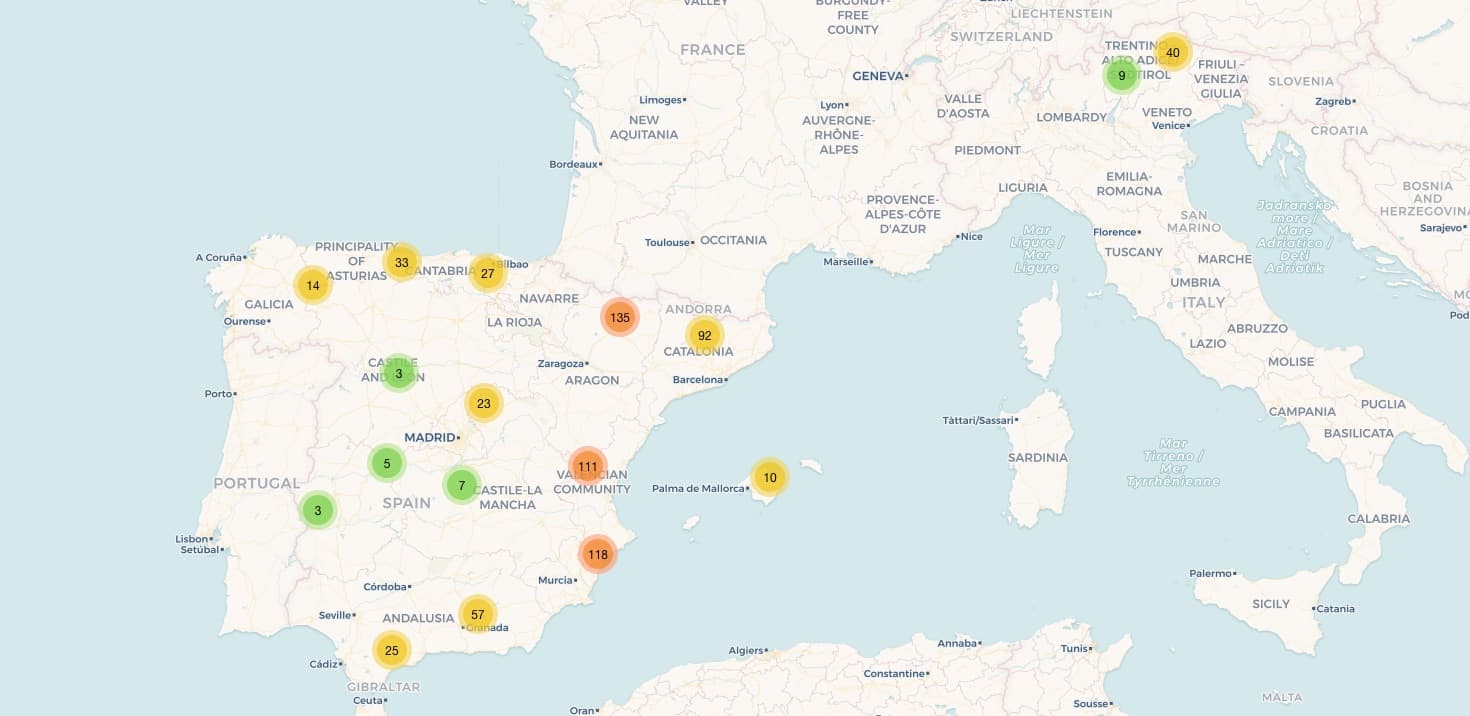
Your whole travel map in one place
Get inspired by new places around the world and find the ones worth the journey
Frequently asked questions
How long does a visit to the Museum of Popular Arts and Customs of Seville take?
Seeing all the exhibitions takes from an hour to more than an hour and a half.Where is the museum?
On the Plaza de América in María Luisa Park, across the square from the Archaeological Museum of Seville.What is the building?
The Mudéjar Pavilion, designed by Aníbal González and built in 1914. It served as an art pavilion at the Ibero-American Exposition of 1929 and has housed the museum since 1973.Is the museum wheelchair accessible?
The entrance and a toilet are wheelchair accessible.Has the building appeared in films?
Yes. It was used as a set for the 1974 American film The Wind and the Lion and for the 1985 French film Harem, in which it played the British Embassy.