Primiero San Martino di Castrozza is a comune in the Province of Trento, in the Italian Dolomites, created on 1 January 2016 by the merger of Fiera di Primiero, Siror, Tonadico and Transacqua. Some 5,000 people live across just over 200 square kilometres of valley floor and mountain, at 710 metres under the walls of the Pale di San Martino. Fiera di Primiero holds the shops, the church and the municipal offices; the ski village of San Martino di Castrozza and the lifts lie further up the valley, towards Passo Rolle.
Primiero San Martino di Castrozza

- Currency
- Euro (EUR)
- Language
- Italian; English in hotels
- Power plug
- Type C/F/L, 230 V
- Visa
- Schengen
- Time zone
- UTC+1 / UTC+2 (CET/CEST)
- Tap water
- Safe; most Italians prefer bottled
- Tipping
- Not expected; leave coins in bars, cafés
- Emergency
- 112
Things to do
All tours in Dolomites on GetYourGuide
Paid links: booking through them supports YowJourney.
When to go
High season
Dec – Mar
Ski season. The traffic goes up the valley to San Martino di Castrozza and Passo Rolle, and the valley floor is at its busiest around the New Year holidays.
Low season
Apr – May
Between the seasons. The lifts stand still, snow still sits on the high ground under the Pale di San Martino, and the valley floor greens up while the mountains stay out of reach.
High season
Jun – Sep
Walking season. Long daylight, meadows on the valley sides and the rock faces of the Pale above San Martino; August brings Italian families and the villages fill.
Low season
Oct – Nov
The larches turn and the valley empties out. First snow reaches the passes, and the high paths go out of use well before the ski season starts.
How long to stay
Three or four days cover the valley without rushing: one under the Pale di San Martino, one among the villages between Fiera di Primiero and Siror, and one for the passes. Ski trips run longer — a week is the usual shape, since weather eats days and the snow decides where you go. Passing through on the way over Passo Rolle, an afternoon in Fiera di Primiero is enough.
Getting around
There is no railway in the Primiero valley. Everything comes in by road: from Trento through the Valsugana and over Passo Gobbera, from Feltre and the Veneto side up the Cismon. Northwards the SS50 climbs to Passo Rolle and drops into Val di Fiemme at Predazzo, and the same road is the way up to San Martino di Castrozza and the lifts.
Buses connect the valley villages with each other and with Trento and Feltre. Outside the ski season a car still makes the difference, because the settlements are strung out along the valley and the trailheads sit above them.
One honest caveat: in winter the passes are snow roads. Winter tyres or chains are not optional here, and a hire car booked in Verona or Venice does not always come with them.
What to see

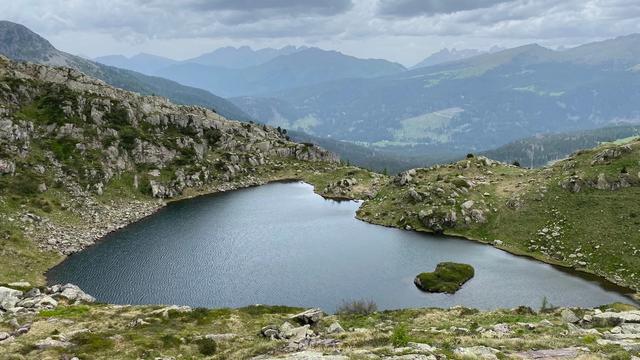
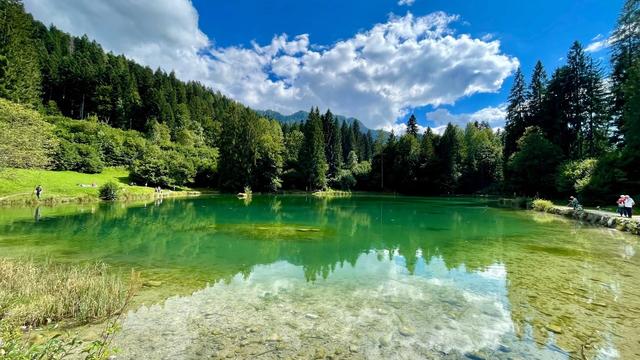
Destinations in Primiero San Martino di Castrozza
Frequently asked questions
What is Primiero San Martino di Castrozza?
A comune in the Province of Trento, in the Trentino-Alto Adige/Südtirol region of Italy. It was created on 1 January 2016 by merging four municipalities — Fiera di Primiero, Siror, Tonadico and Transacqua — and covers just over 200 square kilometres with about 5,000 residents.Is San Martino di Castrozza a separate place?
It is the ski village up the valley, and it belongs to the same comune. Everyday services and the municipal offices are down in Fiera di Primiero; the lifts, the hotels and the view of the Pale di San Martino are at San Martino, on the road to Passo Rolle.How do you get there?
By road only — the valley has no railway. The approaches are from Trento through the Valsugana over Passo Gobbera, from Feltre up the Cismon valley, and from the north over Passo Rolle from Val di Fiemme.How high is the valley?
The comune sits at 710 metres. San Martino di Castrozza and Passo Rolle are considerably higher, which is why the ski season and the walking season run on different calendars from the valley floor.What language is spoken?
Italian. Primiero is an Italian-speaking valley of Trentino; German and Ladin belong to other parts of the Dolomites. English is understood in hotels and at the lifts, less so in the villages.