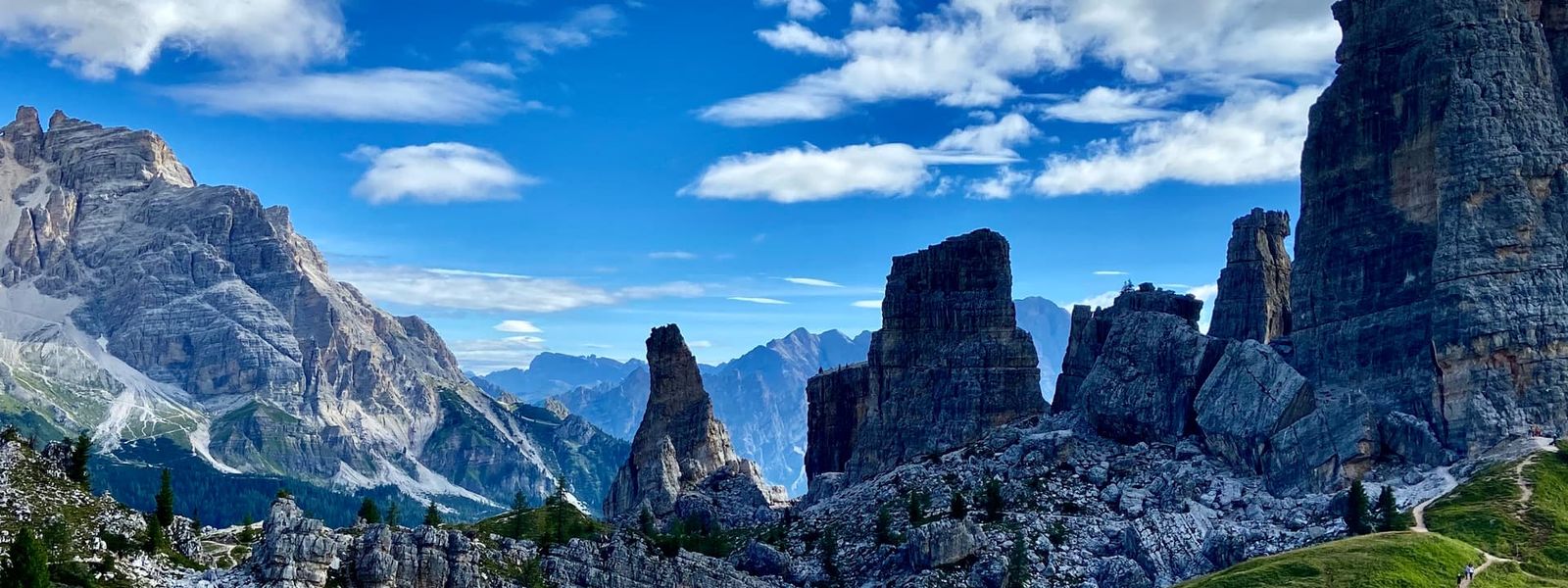
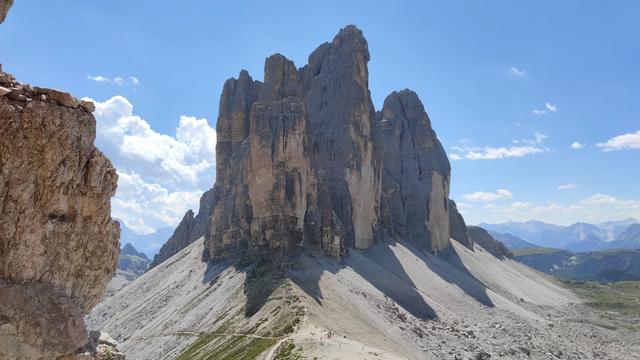
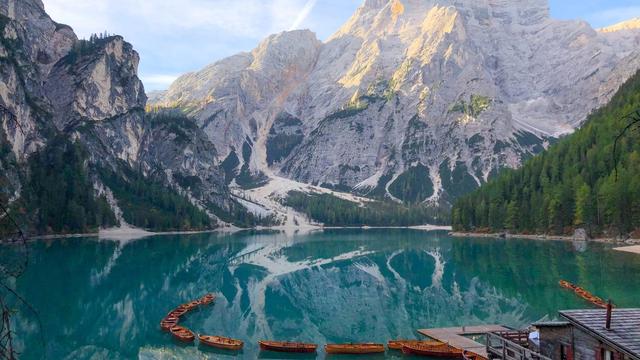
The Dolomites form part of the Southern Limestone Alps in northeastern Italy, extending across Veneto, Trentino-Alto Adige and Friuli-Venezia Giulia. The range reaches 3,343 metres and covers 15,942 square kilometres, characterised by distinctive pale limestone formations and steep-sided valleys. Villages preserve Alpine and Tyrolean culture and architecture. Winter brings reliable snow and world-class skiing on slopes near the Austrian border; summers offer extended daylight and extensive hiking through alpine meadows and forests. German is the dominant language in most villages, Italian is widely spoken, and English is common in tourist areas.
Dolomites
- Currency
- Euro (EUR)
- Language
- German, Italian; Ladin in some valleys
- Power plug
- Type C/F/L, 230 V
- Visa
- Schengen
- Time zone
- UTC+1 / UTC+2 (CET/CEST)
- Tap water
- Safe; most Italians prefer bottled
- Tipping
- Not expected; leave coins in bars, cafés
- Emergency
- 112
Things to do
All tours in Dolomites on GetYourGuide
Paid links: booking through them supports YowJourney.
When to go
High season
Dec – Feb
Skiing dominates; most high passes are snow-blocked and many mountain roads require winter tyres.
Shoulder
Mar – May
Hiking trails open; weather is changeable and föhn winds occur, bringing sudden temperature swings.
High season
Jun – Aug
Long daylight and warm weather; frequent afternoon thunderstorms in higher elevations; most lower trails are busy.
Shoulder
Sep – Nov
Clear skies, mild temperatures and excellent visibility; fewer visitors than summer; weather becomes unsettled in late November.
How long to stay
Plan 7–10 days for a full circuit of the range, visiting major valleys, ski resorts and mountain villages. A single valley can be thoroughly explored in 4–5 days. Day trips to dramatic peaks and passes are possible for those staying in larger towns.
Getting around
Car rental offers maximum flexibility, though mountain roads are narrow and winding; book well in advance for winter and summer. Trains connect major towns and valley bases at regular intervals; the regional MobilCard (3, 7 or longer days) offers unlimited travel on trains and buses. Buses reach all settlements with frequent departures in peak season. Guided coach tours with professional guides operate from Bolzano and Cortina d'Ampezzo. Parking fills quickly in popular areas during summer weekends and winter ski season; arrive early or use peripheral car parks.
What to see
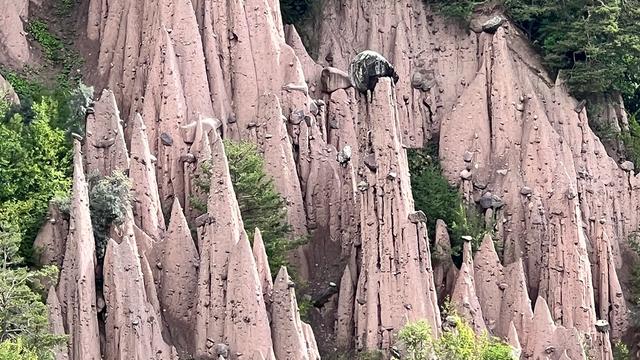

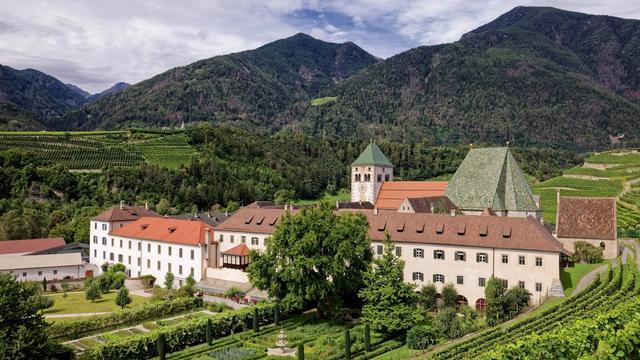


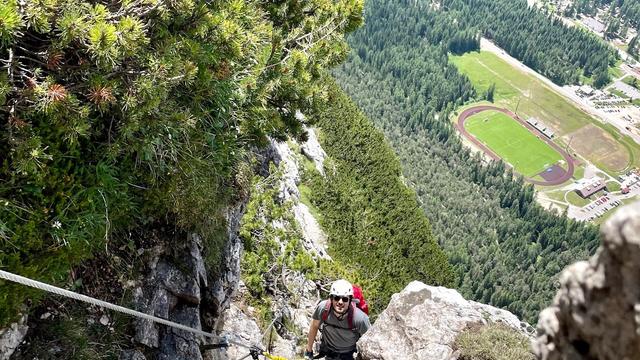
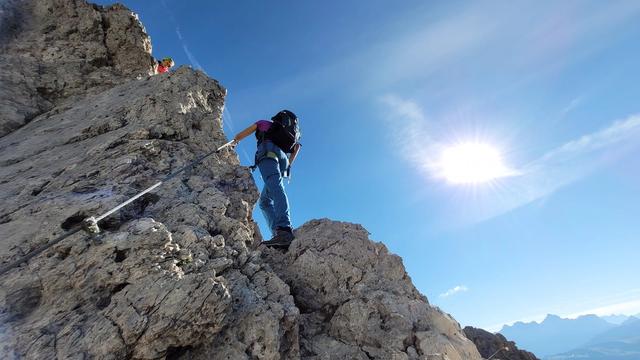

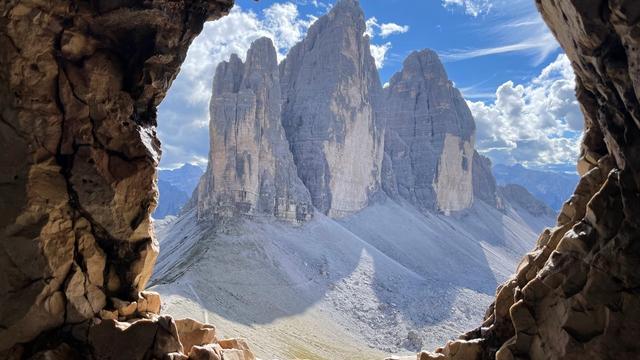
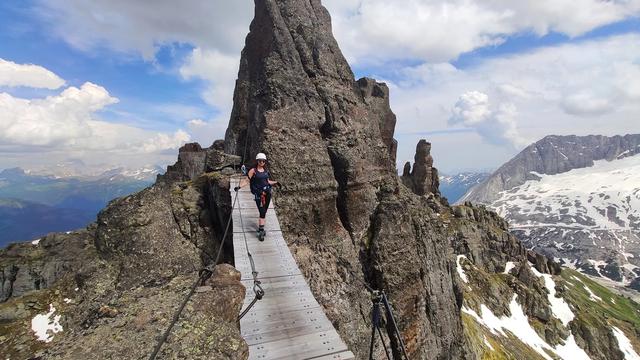
Destinations in the Dolomites
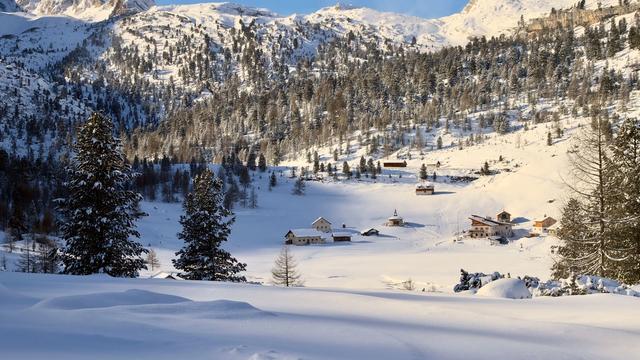
Nearby regions (1)
Frequently asked questions
What's the best time for skiing?
December to February when snow is reliable and ski resorts are fully operational. Most high passes may be closed, so check road conditions before driving.Can I hike here in summer?
Yes, extensively. Summer offers long daylight for hiking in lower elevations and forests. Expect frequent afternoon thunderstorms at higher elevations and check weather forecasts.What languages are spoken?
German is co-official and dominates in villages and mountain areas. Italian is spoken in lower towns and areas. Ladin is used in some eastern valleys. English is common in tourist zones and ski resorts, less so in rural villages.Is it safe?
Yes. South Tyrol is one of the safest regions in Italy and Europe with practically no violent crime. Standard travel precautions apply.What's the local cuisine?
Alpine and Tyrolean specialties including Knödel (bread dumplings), Speck (smoked ham), strudel, fresh bread, and regional apples. Austrian-style restaurants called Gasthofs serve traditional dishes with large portions.