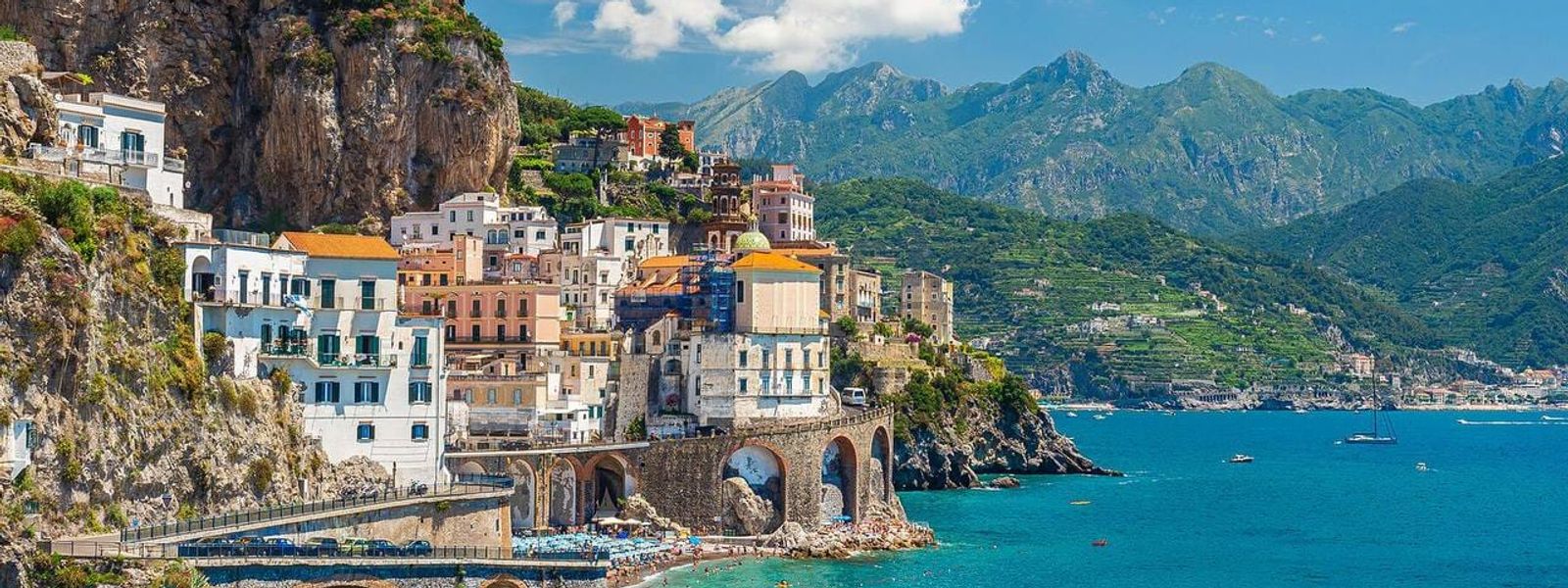
Italy consists of a boot-shaped peninsula extending into the Mediterranean, bordered by France, Switzerland, Austria and Slovenia in the north. The country is home to nearly 800 islands, notably Sicily and Sardinia. Rome is the capital; other major cities include Venice, Florence, Milan, Naples, Palermo, Turin and Genoa. The landscape ranges from the Alps in the north to the Apennines running down the spine of the peninsula, with coastlines along four seas: Ligurian, Tyrrhenian, Ionian and Adriatic.
Italy
- Currency
- Euro (EUR)
- Language
- Italian; English in tourist areas
- Power plug
- Type C/F/L, 230 V
- Visa
- Schengen
- Time zone
- UTC+1 / UTC+2 (CET/CEST)
- Tap water
- Safe; most Italians prefer bottled
- Tipping
- Not expected; leave coins in bars, cafés
- Emergency
- 112
Things to do
All tours in Italy on GetYourGuide
Paid links: booking through them supports YowJourney.
When to go
High season
Jun – Aug
July and August are the hottest months. Summers are hot and dry throughout most of the country. Beaches and major tourist cities fill with visitors.
Low season
Dec – Feb
Winters are cold and damp in the north (around 6°C in Milan) and mild and sunny in the south (around 15°C in Rome, 21°C in Palermo). The Alps and higher altitudes see heavy snow.
Shoulder
Mar – May
Spring brings mild temperatures and moderate rainfall. Fewer tourists than summer. Coastal areas and valleys warm as the season progresses.
Shoulder
Sep – Nov
Autumn remains warm through September before cooling toward November. Tourist numbers decline from summer peaks. Rainfall increases late in the season but conditions remain pleasant.
How long to stay
A full loop covering the major highlights—Rome, Florence, Venice and nearby regions—takes 7–10 days. For one region in depth, allow 3–4 days. Two to three weeks permits exploring multiple regions, Tuscany, the Amalfi Coast and the larger islands.
Getting around
Flights: International airports serve Rome (Fiumicino, Ciampino), Milan (Malpensa, Linate, Bergamo), Bologna, Naples, Pisa, Venice (Marco Polo, Treviso), Turin, Catania, Bari and Genoa.
Trains: Trenitalia operates regional and high-speed services; Italo competes on major routes. High-speed trains between Milan and Naples run at speeds up to 300 km/h, roughly halving journey times. Night trains (Intercity notte) depart around 22:00 on longer routes. Book in advance during peak periods and school holidays.
Car hire: Available at airports and major cities. Driving follows right-hand traffic. Parking in city centres often requires payment and reservations.
Buses: Regional coaches connect towns but are slower than trains.
During commuter hours on major north–south routes and before or after large political events, trains on local lines often overcrowd. Winter weather occasionally delays Alpine services.
Local rules
- Bars and restaurants are non-smoking establishments.
- Tips cannot be added to credit card bills—bring cash if tipping.
- Never criticise food or service in a restaurant; it is considered extremely rude.
- Asking for free tap water after bottled water has been offered is impolite.
What to see
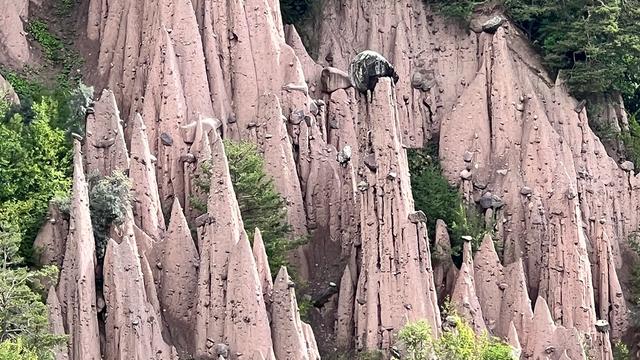

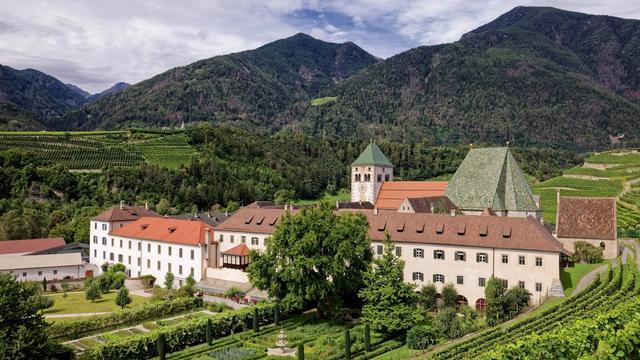


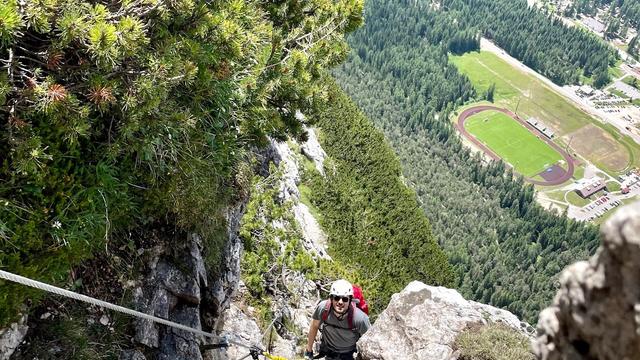

Destinations in Italy
Frequently asked questions
Do I need a visa?
EU, EEA and Swiss citizens may stay indefinitely. Non-EU citizens may stay visa-free for 90 days. All non-EU/EEA/Swiss visitors staying 90 days or less must declare their presence to police within 8 days of arrival; hotel registration usually satisfies this requirement. Stays longer than 90 days require an appropriate visa and a residence permit (permesso di soggiorno).Is tap water safe to drink?
Yes, tap water is safe and well maintained throughout Italy. In some peninsular areas it may appear cloudy or have a slight taste; most Italians prefer bottled water. Water from public fountains marked 'Acqua potabile' is safe. Avoid water from fountains labelled 'Acqua non potabile'. In southern coastal areas fed by desalination plants, the water may have an unusual taste after extended droughts but remains safe.What language is spoken?
Italian is the official language; standard Italian derives from the Tuscan dialect. Each region has its own native language or dialect (Neapolitan, Venetian, Milanese and many others), though Italian is understood nationwide. German is co-official in South Tyrol. English is spoken in major cities, tourist areas and hotels, but less widely in rural regions.Are tips expected?
Tipping is not customary in Italy. Most restaurants include a service charge (coperto, usually €1–3 per person) and do not expect tips, though waiters will not refuse one. In bars and cafés, it is common to leave loose change. Hotel porters and taxi drivers may appreciate a small gesture. Tips cannot be added to credit card bills—cash is required if tipping.What currency is used and how do I access money?
The euro (EUR) is the currency. ATMs are widespread in cities and towns; machines run by banks and the Italian postal service Postamat often charge no foreign-card fee, though your own bank may. Credit and debit cards are increasingly accepted in urban and tourist areas. Cash remains essential in rural areas and small towns. One- and two-cent coins were phased out in 2018.