The Carmen Thyssen Museum opened in Málaga on 24 March 2011 to house the collection of Carmen Cervera, art collector and fifth wife of Baron Hans Heinrich Thyssen-Bornemisza. Its focus is 19th-century Spanish painting, predominantly Andalusian. The museum is built around the 16th-century Palacio de Villalón in the old town, which holds the Old Masters, with new galleries beside it for the permanent collection and temporary exhibitions. Excavations on the site uncovered a Roman villa occupied from the 1st to the 5th century AD.
Carmen Thyssen Museum Malaga
Local name: Museo Carmen Thyssen Málaga

Art museum of 19th-century Andalusian painting in a 16th-century palace, with Roman ruins beneath it
- Entrance
- Paid entry: €12 per person. Cards accepted.
- Accessibility
- Wheelchair-accessible entrance and toilet; no wheelchair-accessible parking.
- Parking
- Two paid car parks nearby: Camas, about 230 m away, and another about 260 m away in a straight line.
- Difficulty
- None: the museum is in the old town of Málaga and you walk straight in from the street.
- Transport
- Bus stop Carretería – Puerta Nueva, about 180 m away; Puente de la Aurora stop about 230 m away.
- Hours
- Tuesday to Sunday 10:00–20:00; closed on Mondays.
- Address
- Plaza Carmen Thyssen, Calle Compañía, Distrito Centro, 29008 Málaga, Spain
What makes it special
Below the galleries lies Roman Málaga. Excavations from 2005 onwards uncovered a suburban villa that stood outside the Roman city of Malaca from the 1st to the 5th century AD: a fish-salting factory, geometric mosaics and a monumental fountain painted with fish. The dig is on view beneath the building.
Upstairs, the permanent collection is 19th-century Spain seen from the south. Costumbrista street scenes, Andalusian light and landscapes, processions and bullfights fill the rooms. Highlights include Marià Fortuny's Bullfight. Wounded Picador, Emilio Sánchez-Perrier's Winter in Andalusia and Julio Romero de Torres's La Buenaventura of 1922. The Old Masters in the palace rooms are mostly religious painting, with Zurbarán's Saint Marina among them. The rooms are calm, and each piece is clearly explained and well hung.
Good to know
- Allow about an hour and a half for the permanent collection, the temporary rooms and the Roman site below.
- The Old Masters in the palace are mostly religious painting; the 19th-century galleries are the heart of the collection.
- Temporary exhibitions change, so check what is on before you go.
- Card payment is accepted, and there are toilets inside, one of them wheelchair accessible.
Getting there
The museum stands in Málaga's old town, on the square that carries Carmen Thyssen's name, and the last stretch from anywhere is on foot through the streets of the centre.
The nearest bus stop, Carretería – Puerta Nueva, is about 180 m away in a straight line, with Puente de la Aurora about 230 m away. Drivers have two paid car parks close by, Camas about 230 m away and a second about 260 m away; from either, it is a walk of a few streets to the door.
Best time to visit
Best: a hot summer afternoon or a day of rain, any day from Tuesday to Sunday. Avoid: Monday, when the museum is closed.
Everything here is indoors or underground, so the visit works in any weather and gives a break from the sun on the streets of the old town.
Things to do nearby
All tours in Málaga on GetYourGuide
Paid links: booking through them supports YowJourney.
Sun & daylight
Nearby Places


Similar Places
Carmen Thyssen Museum Malaga on the map
Get directions
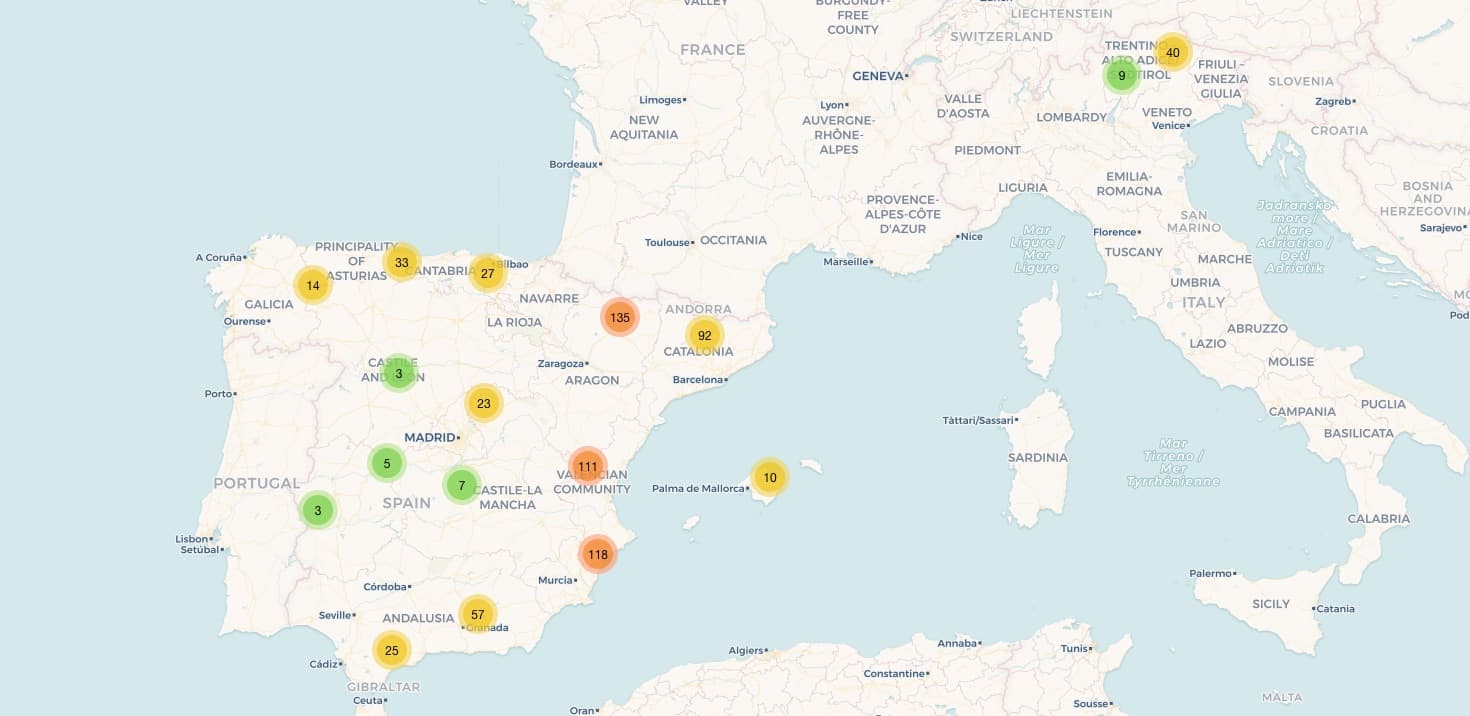
Your whole travel map in one place
Get inspired by new places around the world and find the ones worth the journey
Frequently asked questions
What kind of art does the Carmen Thyssen Museum show?
Mainly 19th-century Spanish painting, predominantly Andalusian, from the collection of Carmen Cervera. The palace rooms hold Old Masters, and two rooms are given to temporary exhibitions.Can you see the Roman remains under the museum?
Yes. The archaeological site beneath the building shows a Roman suburban villa occupied from the 1st to the 5th century AD, including a fish-salting factory.How long does a visit take?
About an hour and a half covers the permanent collection, the temporary exhibitions and the Roman site.Is the museum wheelchair accessible?
The entrance and a toilet are wheelchair accessible. There is no wheelchair-accessible parking.Where can you park?
Two paid car parks stand within about 260 m in a straight line, Camas among them. From there the museum is reached on foot.