The Monastery of Santa María de las Cuevas, known as La Cartuja, stands on the Isla de La Cartuja, a former island in the Guadalquivir at Seville that takes its name from the Carthusian community. Christopher Columbus lived here while planning his voyage to the west. The buildings now house the Andalusian Centre of Contemporary Art (Centro Andaluz de Arte Contemporáneo, CAAC), with temporary exhibitions, concerts and workshops. The island around it hosted Expo '92.
Monastery of Santa Maria de las Cuevas (La Cartuja)
Local name: Monasterio de la Cartuja de Santa María de las Cuevas

Former Carthusian monastery on La Cartuja island, now home to Andalusia's contemporary art centre and quiet gardens.
- Entrance
- Paid entry; the fee is low and includes the art exhibitions.
- Accessibility
- Wheelchair-accessible entrance, toilets and parking.
- Parking
- Street parking around the monastery; the two car parks about 200–280 m away are private. Wheelchair-accessible parking is available.
- Difficulty
- None: the bus stops about 150 m away and the entrance is wheelchair accessible.
- Transport
- Bus stops Américo Vespucio (Monasterio de La Cartuja), about 150 m away, and Américo Vespucio (Monasterio), about 190 m away.
- Hours
- Tuesday–Saturday until 21:00, opening at 11:00 or 10:00 (the opening time is given both ways); Sunday 10:00–15:30; closed Monday.
- Address
- Calle Américo Vespucio, 2, 41092 Sevilla, Spain
What makes it special
Brick bottle kilns from the 19th-century ceramics factory that once filled the monastery still stand among the cloisters, and the contemporary art of the CAAC hangs against that backdrop. The buildings are plain and calm. The gardens are quiet, and the whole place sits apart from the tour-group circuit of the old centre.
The temporary exhibitions run to a high standard, so every visit depends on what is showing. When the current show does not land, the architecture carries the visit on its own. Under it all is the history: Christopher Columbus lived here while he planned his voyage west. Afterwards, a café with outdoor seating on the grounds is the place to sit with a drink.
Good to know
- Closed on Mondays, and on Sundays it shuts in the middle of the afternoon.
- Entry is cheap, and one ticket covers both the monastery buildings and the art exhibitions.
- The art is contemporary and the exhibitions rotate; if the current show is not to your taste, the buildings and gardens still make the trip.
- There are toilets on site and a café with outdoor seating.
- It is a fair walk out from the old centre; the bus gets you within about 150 m.
Getting there
The monastery stands on La Cartuja, the former island across the Guadalquivir from the old city. Since Expo '92 it has been joined to Triana by land in the south, and bridges such as the Puente de la Barqueta link it to the rest of Seville. Walking from the centre is a fair stretch on foot.
Buses stop on the street outside at two stops named after the monastery, about 150 and 190 m away. Drivers park on the street; the two car parks about 200–280 m away are private.
Best time to visit
Best: Tuesday to Saturday, when the doors stay open into the evening.
Avoid: Mondays, when it is closed, and Sunday afternoons, when it shuts early.
In a Seville summer the midday heat is hard going, and the long weekday opening leaves the cooler evening hours for walking the grounds.
Things to do nearby
All tours in Seville on GetYourGuide
Paid links: booking through them supports YowJourney.
Sun & daylight
Nearby Places


Similar Places

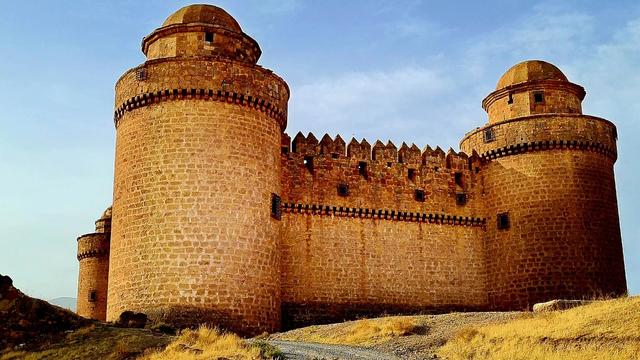
Monastery of Santa Maria de las Cuevas (La Cartuja) on the map
Get directions
Your whole travel map in one place
Get inspired by new places around the world and find the ones worth the journey
Frequently asked questions
Is the Monastery of Santa María de las Cuevas worth visiting?
Yes, for the combination of a calm former monastery, quiet gardens and the temporary exhibitions of the Andalusian Centre of Contemporary Art, which run to a high standard.Is it open on Mondays?
No. It is closed on Mondays and opens Tuesday to Sunday, with shorter hours on Sunday.Does the ticket include the art exhibitions?
Yes. The entrance fee is low and covers both the monastery buildings and the CAAC exhibitions.Did Christopher Columbus live at La Cartuja?
Yes. Columbus lived at the monastery while planning his voyage to the west, and the island takes its name from the Carthusian monastery.Is the monastery wheelchair accessible?
Yes. The entrance, the toilets and the parking are wheelchair accessible.