Iceland in winter: six places worth the short days
4 min read6 destinations
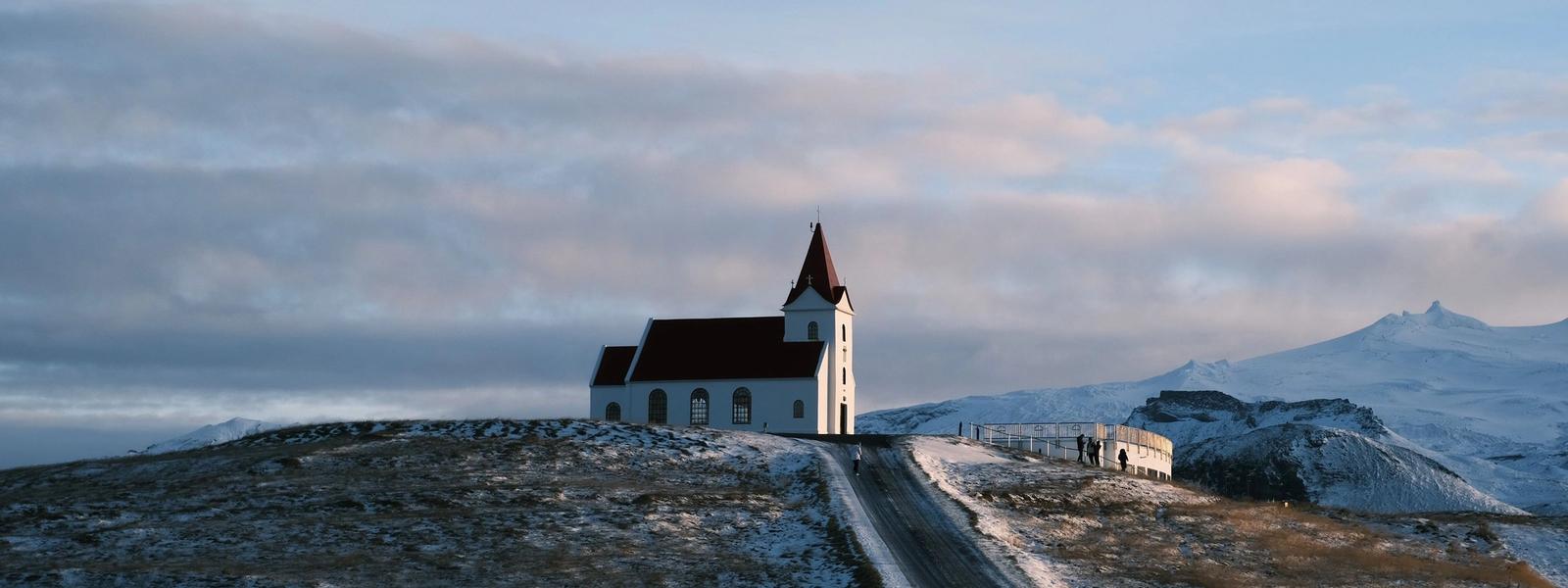
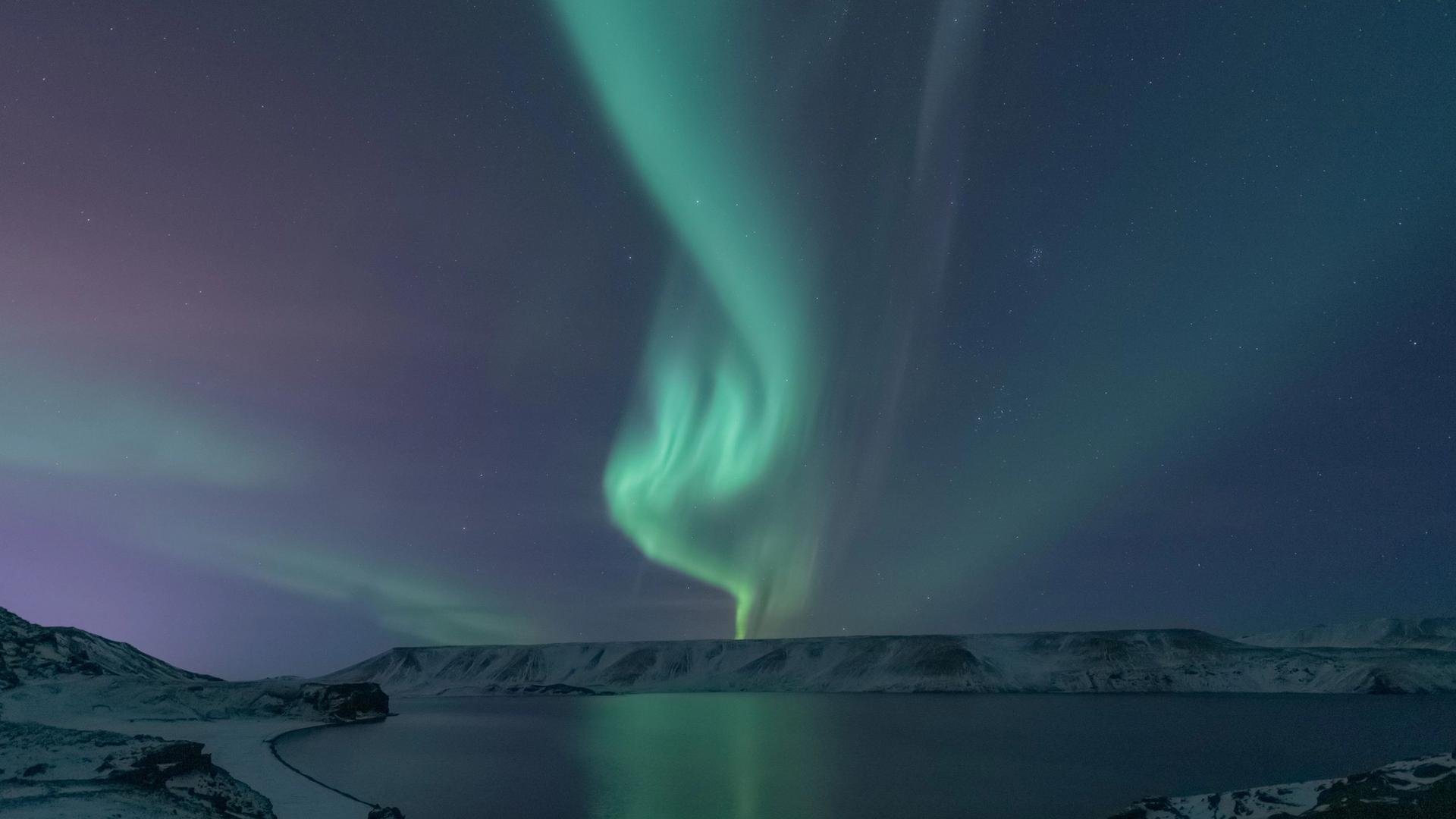
On 21 December, Húsavík, in north-east Iceland, gets just 2 hours and 45 minutes of daylight. In winter the dark is the reason to go: the northern lights need a properly dark sky, and around midsummer Iceland's sky never gets one. Winter days are short, but the evenings are long, and you can spend them outside watching for the aurora.
Here are six places worth a winter trip, some for the dark, some for the ice. Two are a short drive from Reykjavík, two are in the west, and two are on the south coast.
Paid links: booking through them supports YowJourney.
Close to Reykjavík
Grotta Island Lighthouse
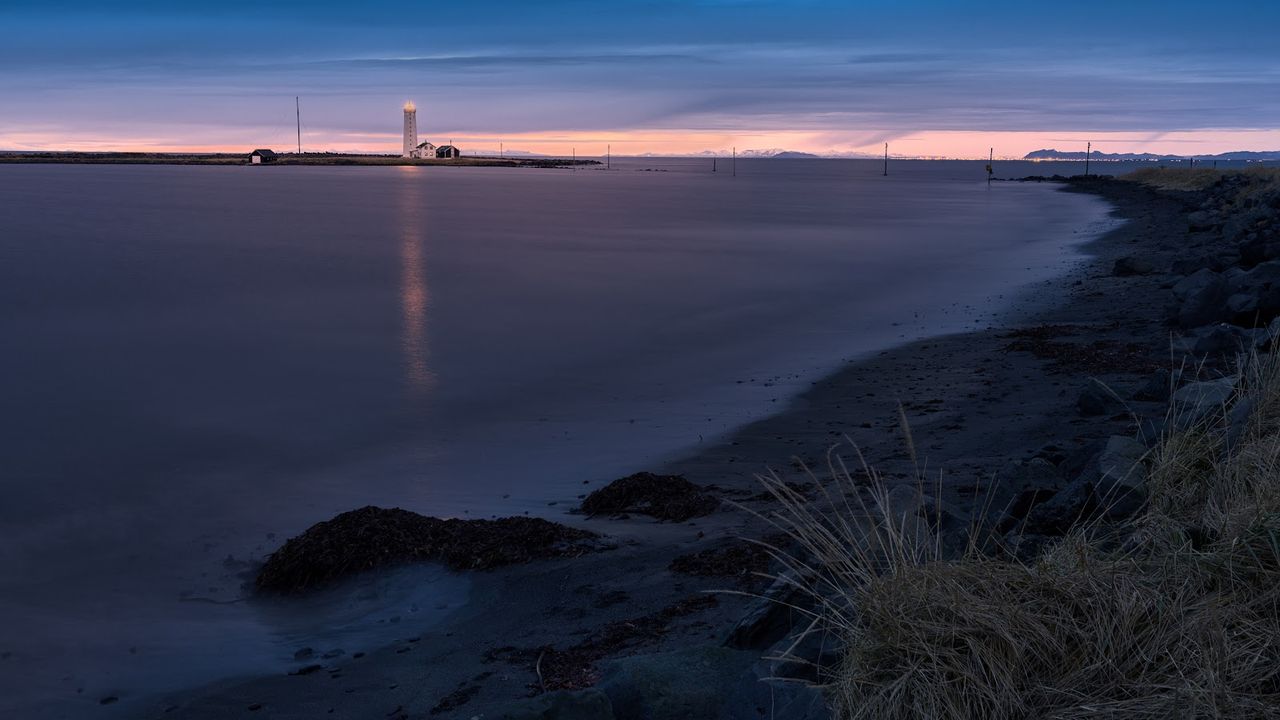
The lighthouse stands on a tidal island just outside Reykjavík, and on dark, clear evenings people drive out from the city to watch for the aurora. You look west over the open sea. Don't stay right by the car park: walk a few minutes away first, because the headlights of cars there wash out the sky. A low spit leads out to the lighthouse, but it's only passable around low tide. Google Maps will route you across it whatever the tide is doing, so check the tide times instead.
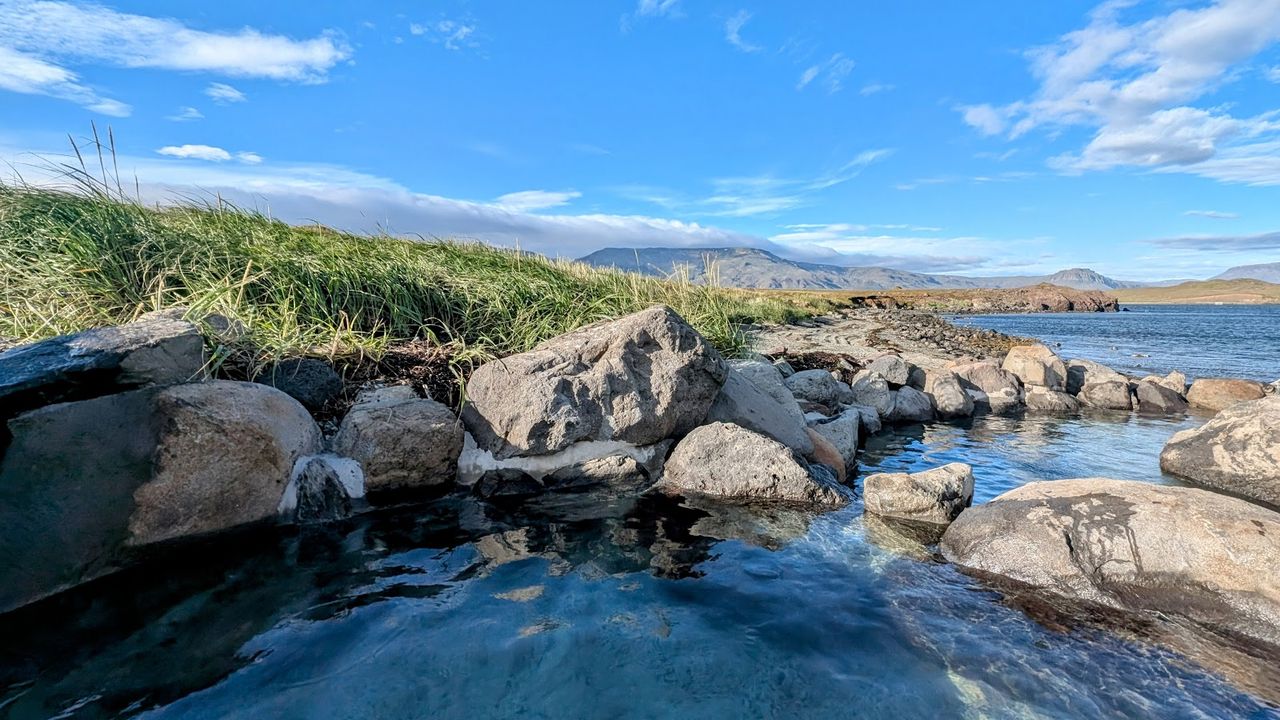
Hvammsvik Hot Springs
The pools on the shore of Hvalfjörður step down to the water from hottest to coldest, and the last step is the sea itself. On a clear winter evening you lie in hot water under a dark sky, facing an open fjord — exactly what you want for watching the aurora. Skip it on a windy day: the pools have no shelter, and you walk from pool to pool wet. There's no bus, so you'll need a car. The springs are listed as unsuitable for children.
The west
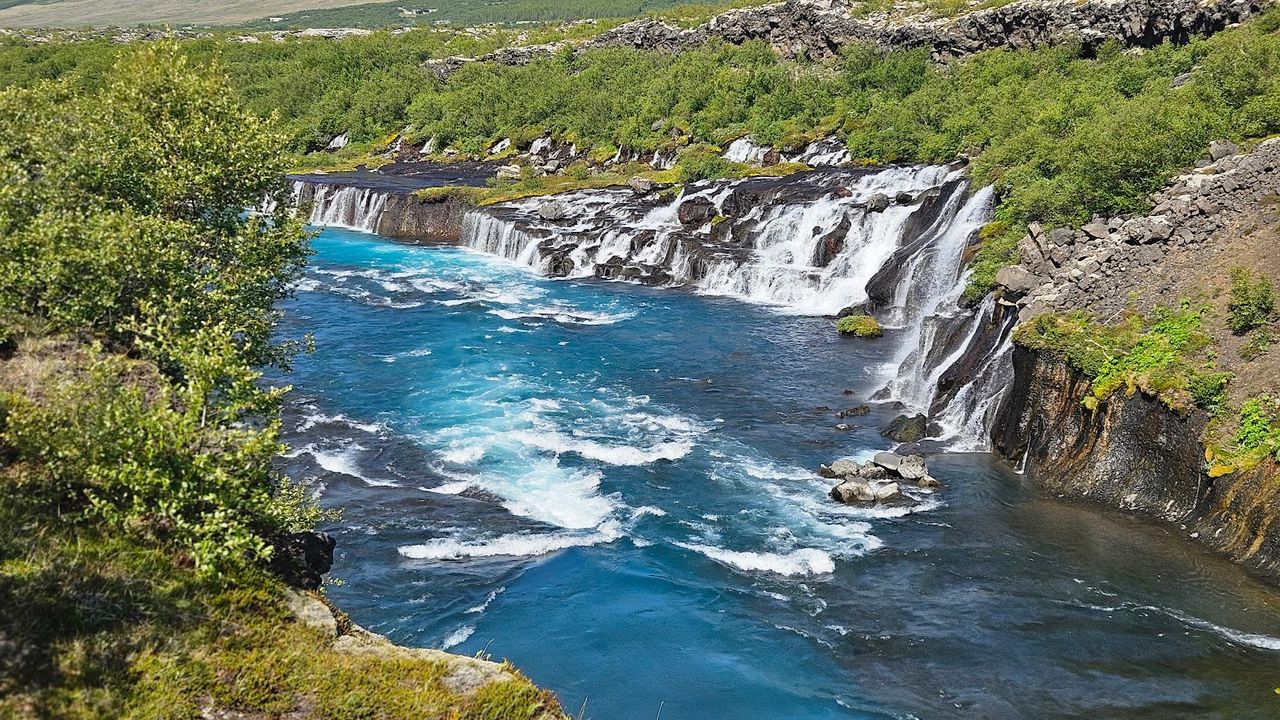
Hraunfossar Waterfalls
There's no river above Hraunfossar. Water seeps through a lava field and emerges from the bank along a stretch of about 900 metres, pouring into the river below. Winter is when the contrast is sharpest: white ice, black lava, blue water. You don't have to hike: paths from the car park lead straight to the viewing platforms, and a café next to the falls makes it an easy lunch stop. Just upstream is Barnafoss, a narrow chute of white water forced through the lava.
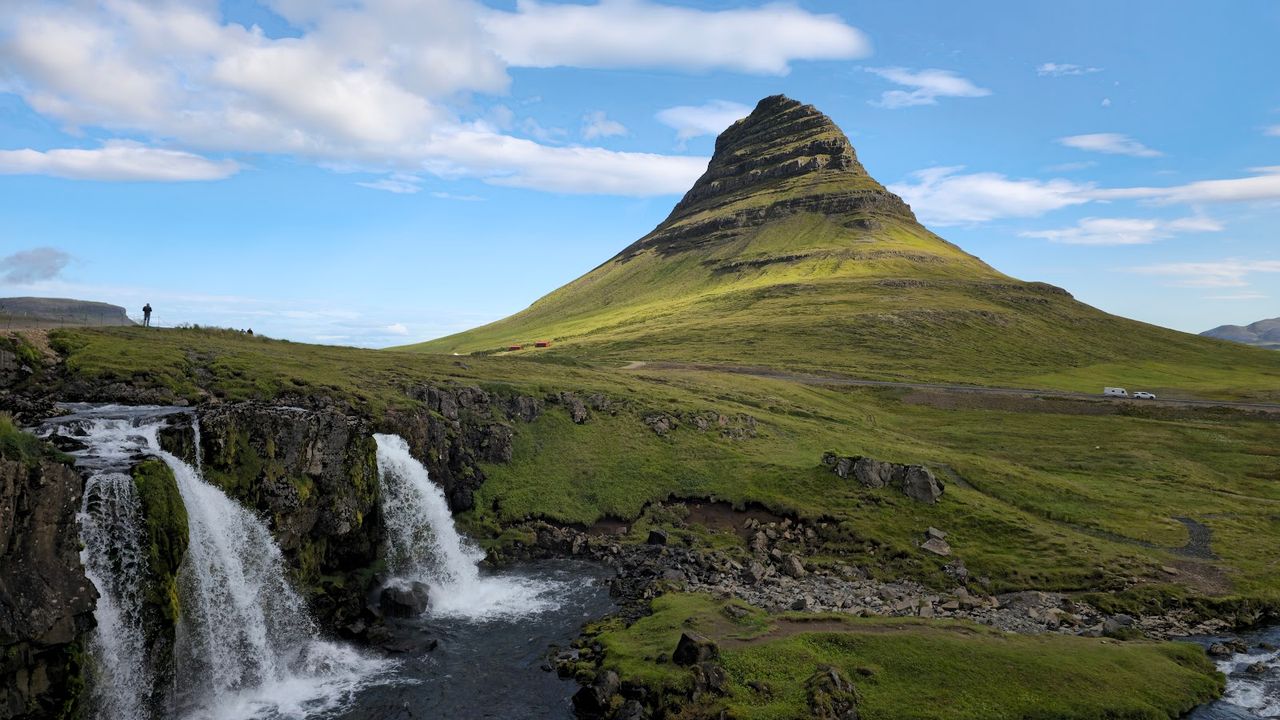
Kirkjufell Waterfall
On their own, these three small cascades would be just another roadside stop. People come for what stands behind them: the pointed wedge of Kirkjufell mountain. In winter it's a well-known spot for photographing the aurora with the mountain in the frame. You can come at any hour, and the walk from the car park takes about five minutes. Check the cloud forecast first: when the cloud is low, the mountain vanishes and the picture goes with it. There are no toilets.
Things to do in Iceland
Paid links: booking through them supports YowJourney.
The south coast
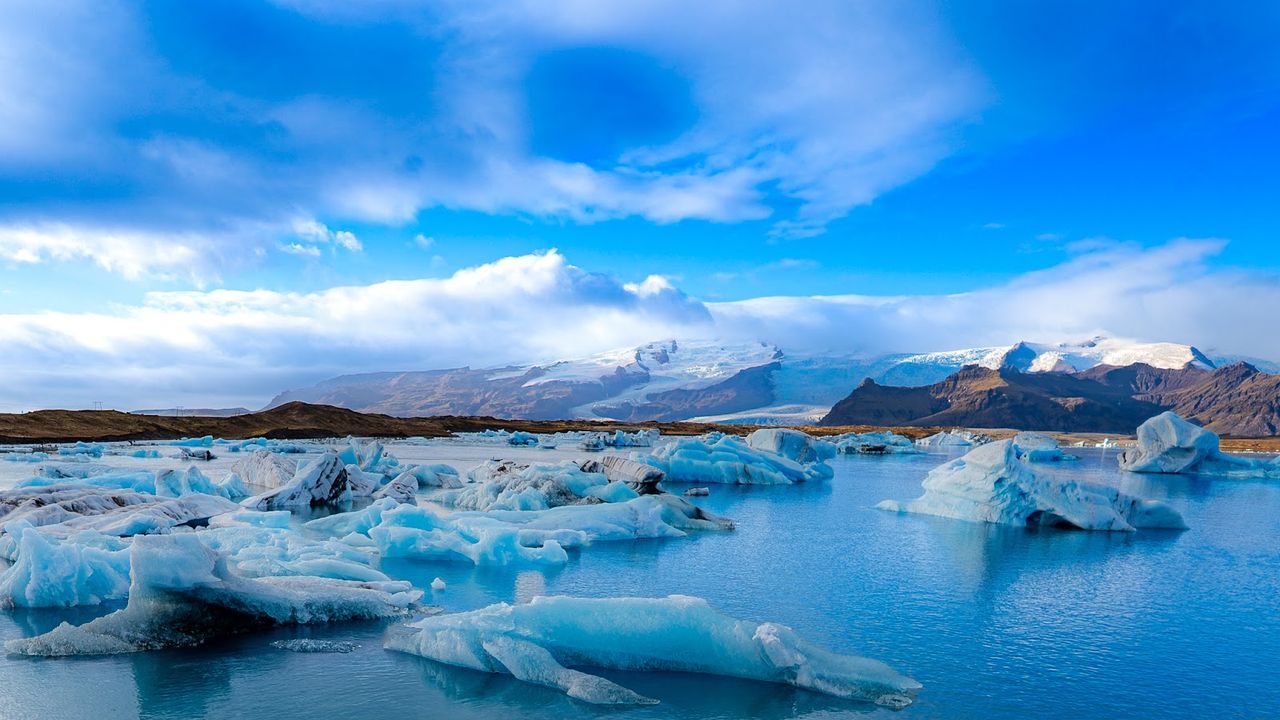
Jokulsarlon Iceberg Lagoon
Icebergs break off the glacier and drift across the lagoon towards the sea. In the cold months seals gather at the outlet to fish and haul out on the ice. Boat tours don't run in winter, but ice cave tours leave from the lagoon car park. Right across Route 1, the Ring Road, is Diamond Beach, where chunks of ice washed ashore by the waves lie on the black sand. The amount of ice in the lagoon varies, so check the live webcam before you commit to a drive of more than four hours from Reykjavík. Sunrise and sunset give the best light on the ice.

Vatnajökull National Park
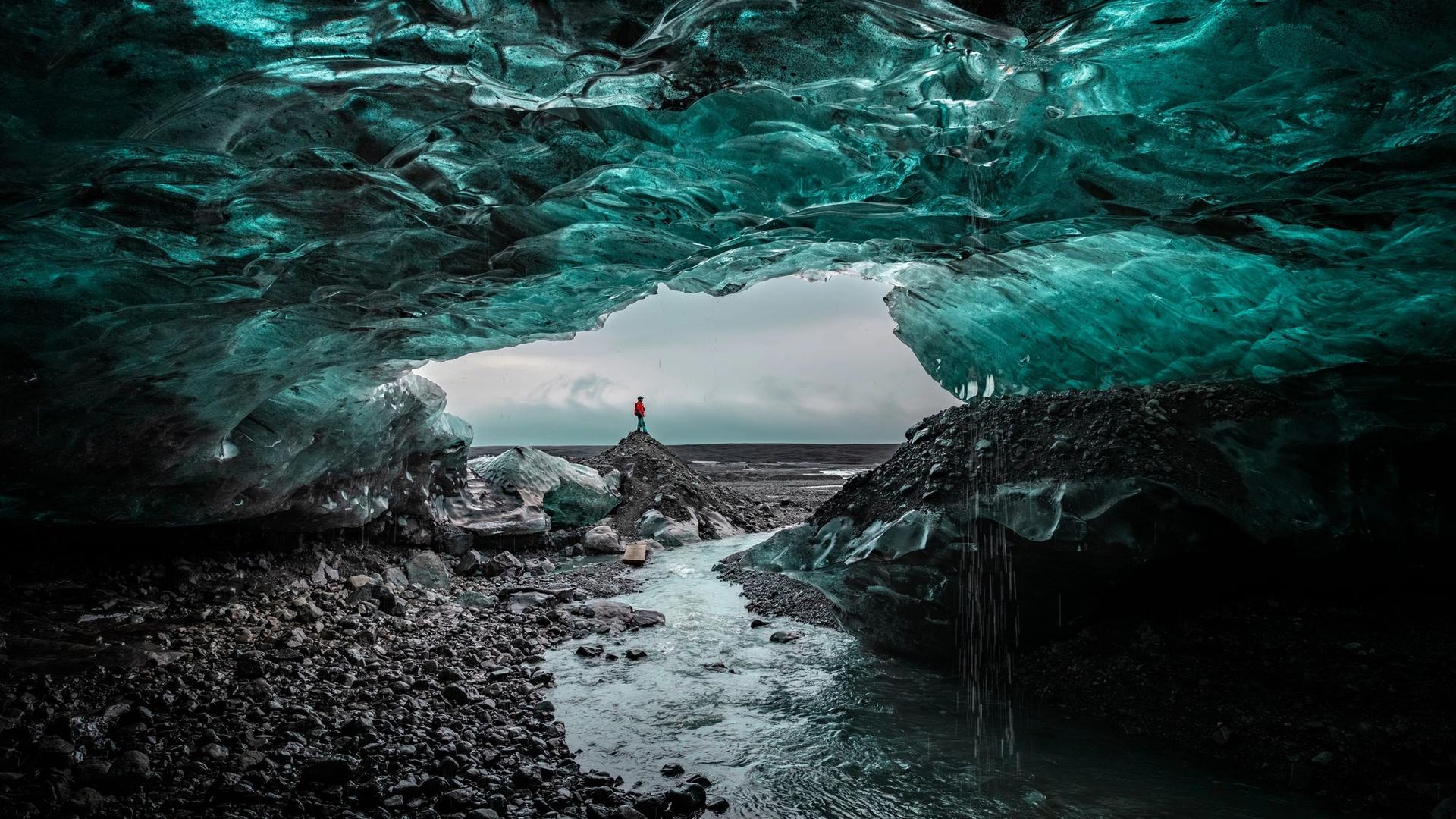
Jökulsárlón lies within Vatnajökull National Park, which covers almost 14% of Iceland. The ice caves are winter-only, and you visit them on a guided tour. Near the glacier it gets very cold whatever the forecast says, so bring layers. Skaftafell, on the Ring Road, has a visitor centre where you can pick up maps and book tours. There's a parking fee.
Before you go
Dress for standing still. Waiting for the aurora means long stretches outdoors without moving, and that's far colder than walking.