Reykjavík stands on the southern shore of Faxaflói bay in southwest Iceland, at a latitude of 64°08′ N. Around 140,000 people live in the city and 252,000 in the Capital Region, roughly 64% of Iceland's population. Settlement began here in the 9th century, but the town dates from a trading charter granted in 1786. The suburbs sprawl; the centre does not, and it holds Hallgrímskirkja, the Harpa concert hall, the National Museum and the Laugavegur shopping street. Every building in the city is heated geothermally.
Reykjavík

- Currency
- Icelandic króna (ISK)
- Language
- Icelandic; nearly all speak English
- Power plug
- Europlug and Schuko sockets, 230 V
- Visa
- Schengen; outside the EU
- Time zone
- UTC±00:00 (Atlantic/Reykjavik)
- Tap water
- Safe; hot water smells of sulphur
- Tipping
- Not customary
- Emergency
- 112
Things to do
All tours in Reykjavík on GetYourGuide
Paid links: booking through them supports YowJourney.
When to go
High season
Jun – Aug
The sun never properly sets until 24 July. July and August are the warmest months, with temperatures between 10 and 15 °C and rarely above 20. Tourists at times outnumber residents in the city centre.
Shoulder
Sep – Nov
Daylight falls away quickly and the city empties of summer visitors. Reykjavík is open to the sea, and wind is the main problem with its weather. Iceland Airwaves takes over venues across the city each November.
Low season
Dec – Feb
Between 2 December and 10 January daylight lasts under five hours and the sun climbs only 3° above the horizon. January and February are the coldest months, though the temperature rarely drops below −15 °C. Gales are common. Snow usually lies in January; at Christmas there is often none.
Shoulder
Mar – May
Daylight returns fast — seven hours by the end of January, and far more by March. May averages more sunshine than any other single month, and from 20 May the sun stops setting.
How long to stay
Two or three days covers the city itself. The centre is small, and the museums, the old harbour and the main shopping streets stand within walking distance of one another. Add days if Reykjavík is your base for the rest of Iceland: the Ring Road passes the city outskirts, coaches reach Selfoss and Akranes, and domestic flights to Akureyri, Egilsstaðir and Ísafjörður leave from the airport inside the city.
Getting around
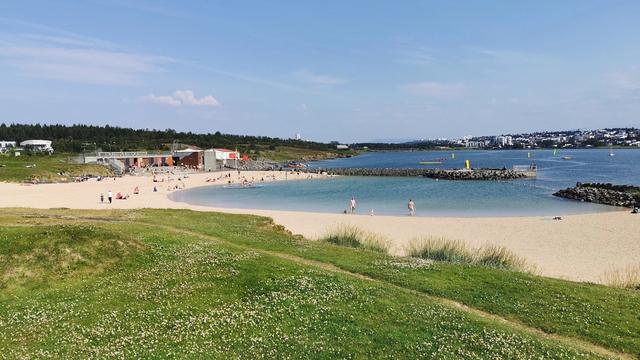
The centre is compact and walking covers most of it. A path for walking and cycling circles almost the whole city, passing an outdoor swimming pool, a sandy beach, a golf course and a salmon river.
Strætó runs the city buses, with the main interchanges at Hlemmur and Lækjartorg. Pay contactless with a card, through the Klappið app, or in cash; ask the driver for a transfer ticket (skiptimiði) and it is valid for 75 minutes. Buses also run east to Selfoss and north to Akranes. Domestic flights, and services to Greenland and the Faroe Islands, leave from Reykjavík Airport just south of the centre.
The catch: the last buses go around 23:00, and on Sundays nothing runs before noon. A hire car is worth the money only if you are leaving town. The suburbs are car-dependent and spread out, but the centre is not.
Local rules
Alcohol. Supermarkets and convenience stores sell beer. Wine and spirits come only from Vínbúðin, the state-run shops. The legal drinking age is 20, while clubs admit people from 18, and many venues set a higher limit of their own.
Fireworks. Anyone may buy and use them between 28 December and 6 January, and only then. That is why the whole city is lit up on New Year's Eve.
Souvenirs from marine mammals. Shops sell items made of seal pelt and sometimes whale or dolphin bone. CITES makes these illegal to import or possess in most countries, and the fine falls at your own border, not at Keflavík.
What to see

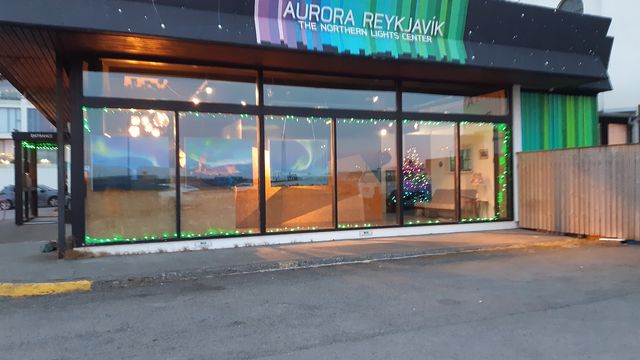

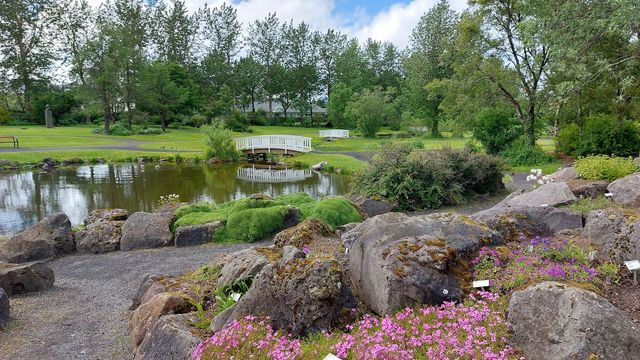

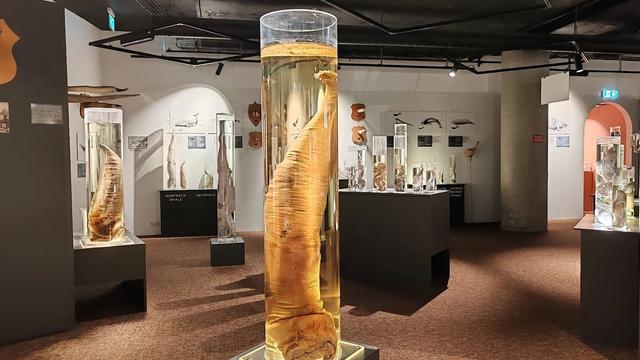
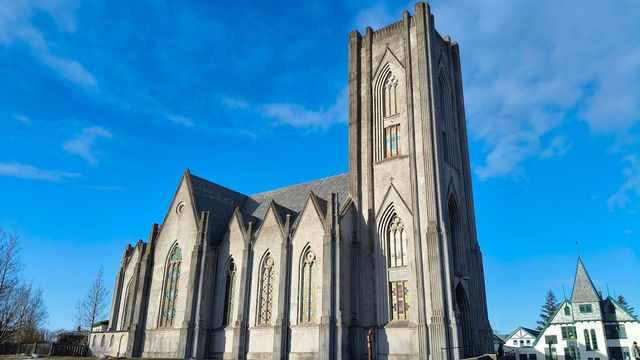




Destinations in Reykjavík
Frequently asked questions
Which airport serves Reykjavík?
Two do, and they are 50 km apart. Keflavík International Airport is the country's main gateway, some 40 km southwest of the city on road 41, Reykjanesbraut. Reykjavík Airport sits inside the city, just south of the centre, and handles domestic traffic. Check which one your ticket names.Do you need a car in Reykjavík?
No. The centre is compact, the pavement network is good and the buses are reliable. A car earns its cost once you leave the city for the countryside. Traffic in the capital area has worsened since the 2010s, and on summer Sundays the roads into town jam with people returning from a weekend away.How expensive is Reykjavík?
Expensive. Goods can cost three to four times what they do in neighbouring countries, mainly because of tax and import duties. Sales tax is always included in the sticker price. A hot dog costs 820–900 kr. Spend 12,000 kr or more in one shop in one day and you can reclaim up to 14% of the sales tax.When does the nightlife start?
Late. Alcohol is expensive in bars, so Icelanders drink at home until around midnight and go out after that. Do not expect bars to be crowded before 01:00 at weekends. Bars close at 01:00 on weeknights and stay open to 06:00 or 07:00 on Friday and Saturday. Cover charges are rare unless there is live music.Is Reykjavík safe?
It is one of the safest cities you can visit, and the police are approachable. Petty theft occurs occasionally. The one thing worth stepping around is the fights that break out among heavy drinkers outside the bars at weekends. Walking alone at night calls for the same judgement as in any city.