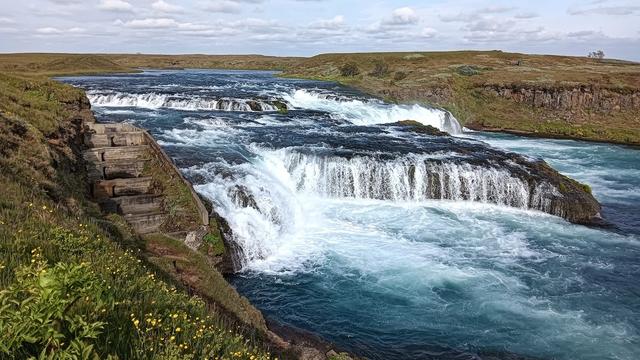
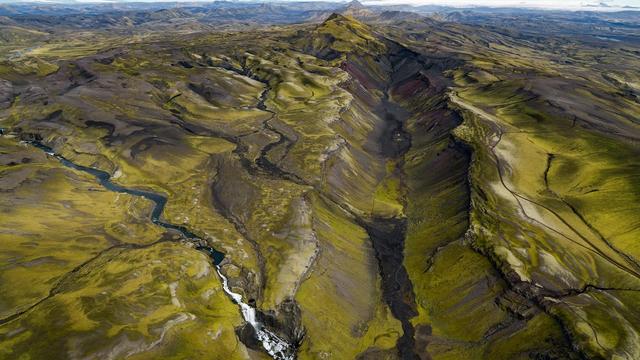
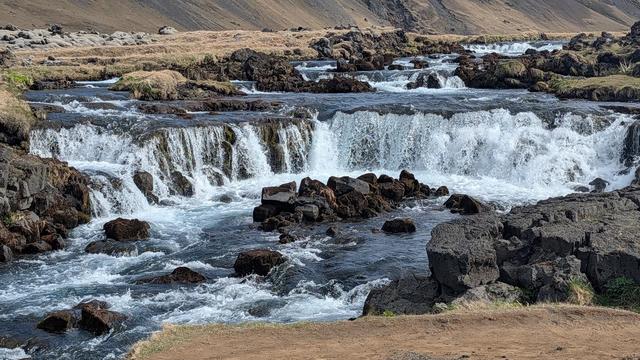
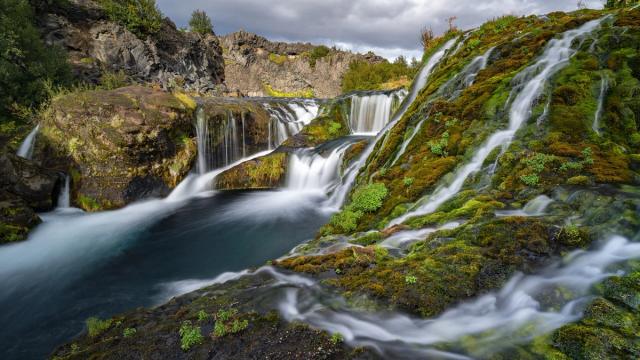
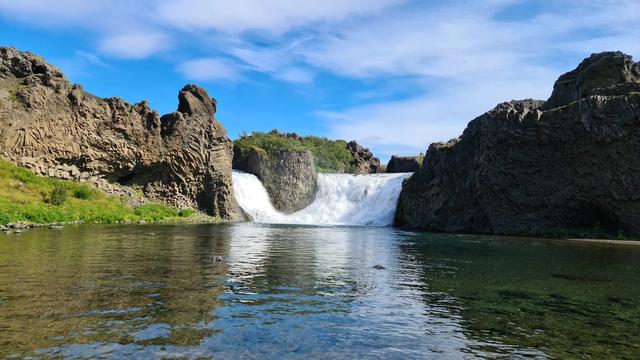
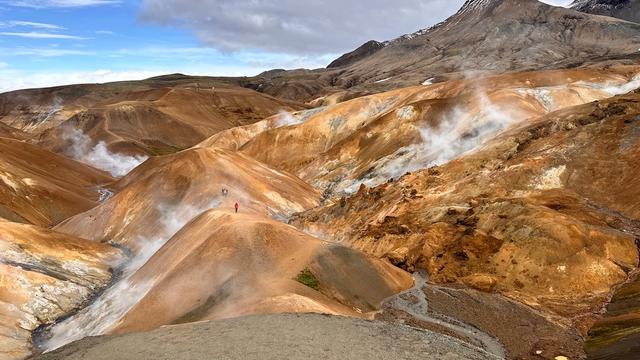
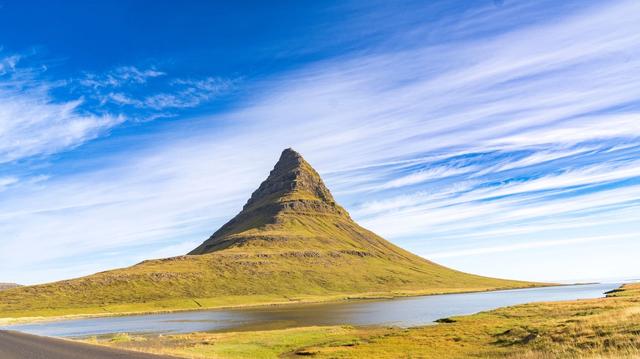
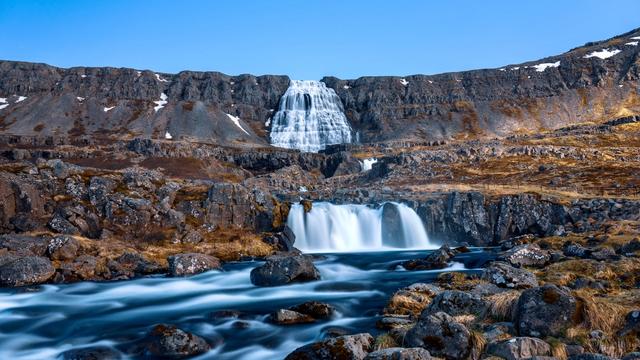
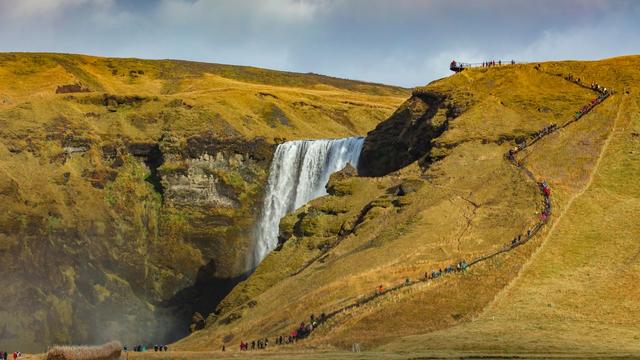
Iceland is an island country in the North Atlantic and one of the Nordic countries, culturally part of Europe. It was formed 20 million years ago by volcanic eruptions on the mid-Atlantic ridge, and 99% of its surface is volcanic rock. Around 364,000 people live on 103,004 square kilometres. The draw is the landscape: glaciers, volcanoes, rivers, waterfalls and geothermal hot springs, with hiking, ice climbing and kayaking among them. Route 1, the Ring Road, links most of it.
Iceland
Local name: Ísland

- Currency
- Icelandic króna (ISK)
- Language
- Icelandic; nearly all speak English
- Power plug
- Europlug and Schuko sockets, 230 V
- Visa
- Schengen; outside the EU
- Time zone
- UTC±00:00 (Atlantic/Reykjavik)
- Tap water
- Safe; hot water smells of sulphur
- Tipping
- Not customary
- Emergency
- 112
Things to do
All tours in Iceland on GetYourGuide
Paid links: booking through them supports YowJourney.
When to go
High season
Jun – Aug
The sun sets only briefly in June and never gets fully dark, which makes sleep hard. The interior and most mountain roads open at the end of June, and this is the busiest season.
Shoulder
Sep – Oct
Rainy days are the norm in autumn and daylight shortens quickly. Crowds thin out after August.
Low season
Nov – Feb
December has almost 20 hours of darkness; by late January daylight runs from about 10:00 to 16:00. Prices drop below high season and some sites are inaccessible.
Shoulder
Mar – May
Around the March equinox day and night are of about equal length. The interior stays closed and F-roads are still wet and impassable.
How long to stay
Route 1, the Ring Road, encircles the country, and driving it with stops takes 7–10 days. Eight days is the realistic minimum if you want more than one night in the north. Four or five days covers the south-west: Reykjavík, the south coast and one geothermal area. The interior needs summer and extra days, because the mountain roads open only at the end of June. In winter plan fewer kilometres per day than the map suggests. Some sites are shut and the weather closes roads without notice.
Getting around
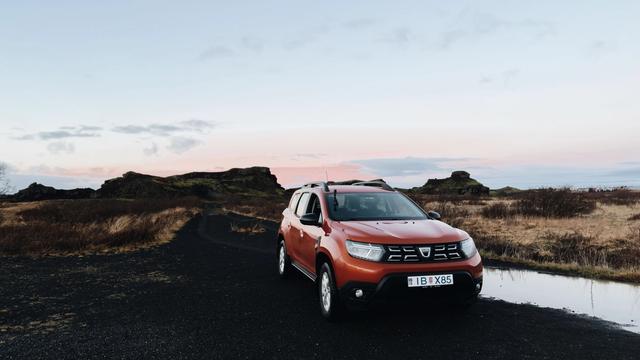
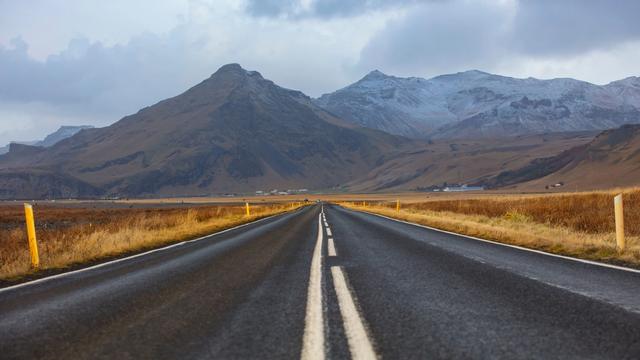
A rented car gives the most freedom. A single main highway, Route 1, the Ring Road, encircles the country, and major roads are paved for the most part. There are no passenger railways. Domestic flights are the other main way to cross the country: Icelandair, Atlantic Airways and Eagle Air fly from Reykjavík Airport, which sits closer to the city than Keflavík. The same airlines serve Greenland and the Faroe Islands. Buses connect Keflavík Airport with Reykjavík, and guided tours cover the main routes for those not driving. Most mountain roads stay closed until the end of June or longer, and roads numbered with an F prefix need a four-wheel-drive vehicle.
Local rules
Off-road driving is strictly forbidden, with fines of 300,000–500,000 kr. Icelandic nature does not recover easily from tyre tracks.
Headlights and seat belts must be on at all times, including on buses. In an accident without a belt you count as uninsured.
The blood alcohol limit is 0.05%, and the minimum fine for drink-driving is 100,000 kr.
Spirits, wine and beer for taking away are sold only through Vínbúðin, the state monopoly; bars and restaurants serve them at far higher prices. The drinking age is 18, the buying age 20.
What to see

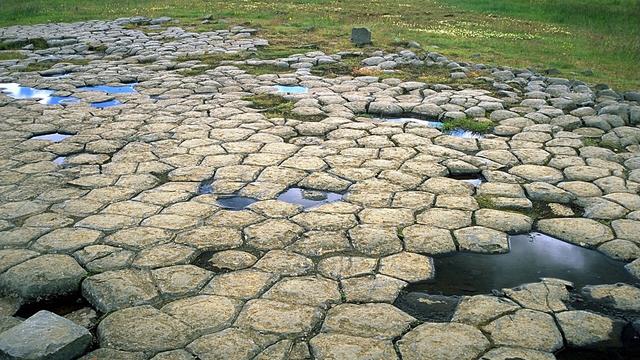
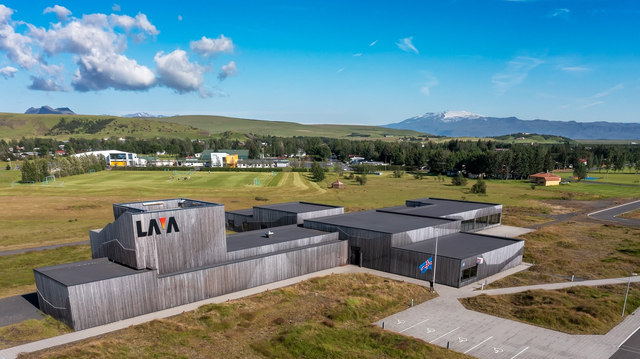
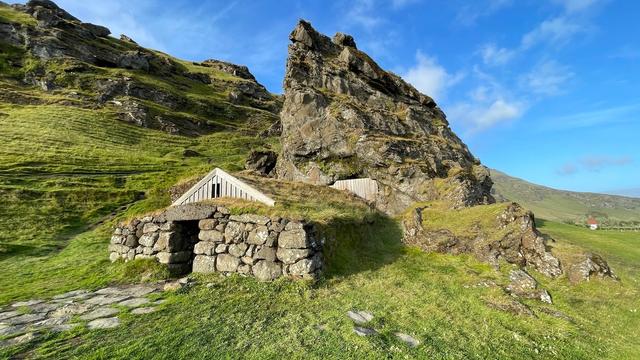
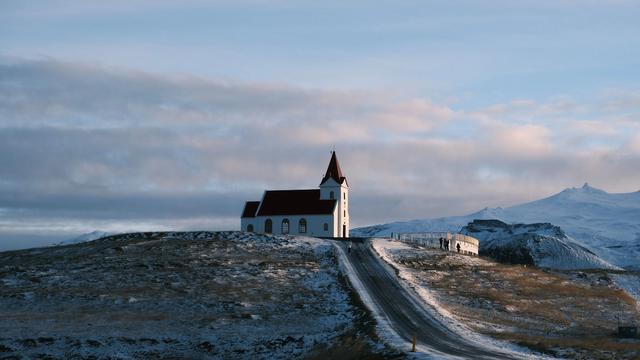
Destinations in Iceland
Frequently asked questions
Do you need a four-wheel-drive car?
Only for the interior, which is open only in summer. Its roads carry an F prefix and need four-wheel drive, sometimes with snow tyres. A two-wheel-drive car handles the Ring Road and the rest of the paved network. Rental prices are high, so book as far ahead as you can.How expensive is Iceland?
Expensive. High import duties and 24% VAT push retail goods to three or four times North American prices, and groceries match the priciest cities. Budget as you would for Norway or Switzerland. Bónus, Netto and Krónan are the cheaper supermarkets.How do you get from Keflavík Airport to Reykjavík?
The FlyBus runs to the BSÍ bus terminal in Reykjavík in 45 minutes; a dearer version drops off at selected hotels in the greater Reykjavík area. Another bus stops at the Blue Lagoon on the way and continues to the city. Metered taxis and pre-booked private transfers cost several times more.Can you stop over in Iceland on a transatlantic flight?
Yes. Icelandair gives passengers travelling between the Americas and Europe a stopover of at least one night with no additional airfare, and allows up to seven nights on each leg of the trip.How dangerous is the nature?
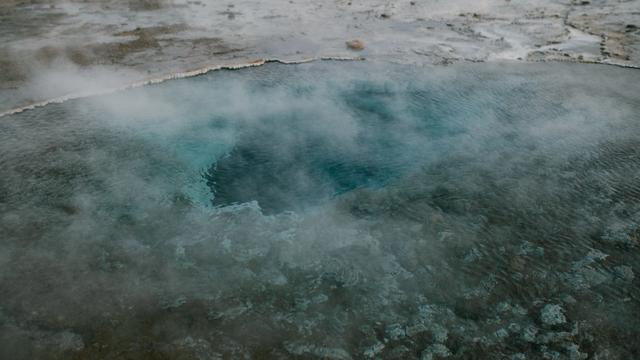
Tourists are injured and killed every year. Do not walk on glaciers without training and equipment, do not approach a glacier front or a large waterfall, and never approach waves on the coast. In geothermal areas ground that looks solid can break underfoot into boiling water. The country averages one volcanic eruption every four years and around 500 earthquakes a year; volcanic gas can be toxic and lethal. Keep your phone on, because some alerts go out as SMS to every mobile in the affected area.