West Iceland is one of the eight traditional regions of the country and covers 9,554 km² of the western coast. Fewer than 18,000 people live there. It falls into four parts: the Snæfellsnes peninsula, a single long mountain range ringed by fishing villages; Breiðafjörður, a bay scattered with small islands; the farming valleys of Dalirnir; and Borgarfjörður, the agricultural district reaching inland. Borgarfjörður is saga country. Egill Skallagrímsson farmed at Borg, and Snorri Sturluson lived at Reykholt.
West Iceland
Local name: Vesturland

- Currency
- Icelandic króna (ISK)
- Language
- Icelandic; nearly all speak English
- Power plug
- Europlug and Schuko sockets, 230 V
- Visa
- Schengen; outside the EU
- Time zone
- UTC±00:00 (Atlantic/Reykjavik)
- Tap water
- Safe; hot water smells of sulphur
- Tipping
- Not customary
- Emergency
- 112
Things to do
All tours in West Iceland on GetYourGuide
Paid links: booking through them supports YowJourney.
When to go
Shoulder
Apr – May
Days lengthen fast. Snow lingers on the Snæfellsnes mountain passes and on the unpaved western tip, and the wind off the Atlantic is constant.
High season
Jun – Aug
Light lasts almost the whole night and the mountain passes are clear. Even now the Ring Road bypasses Snæfellsnes and Dalirnir, so traffic there stays light.
Shoulder
Sep – Oct
Daylight shortens quickly and the Atlantic wind strengthens. The coast roads are still easy going and there is almost no one on them.
Low season
Nov – Mar
Short days, hard wind and snow on the high ground. The mountain passes and the unpaved end of Snæfellsnes are the first to become impassable, so plan around the coast road.
How long to stay
Four days is enough to see West Iceland properly. Give two of them to the Snæfellsnes peninsula: the roads trace the coastline rather than cut across it, so distances run longer than the map suggests. One day covers Borgarfjörður and the saga sites inland at Reykholt. A fourth buys the ferry out to Flatey in Breiðafjörður and back. A weekend from Reykjavík works, but only if you pick one area and stay in it. Add a fifth day for Dalirnir in the north, which most travellers see only through the windscreen on the way to North Iceland.
Getting around
A hire car is the only practical way to reach most of West Iceland. There are no scheduled flights into the region, and the Ring Road bypasses Snæfellsnes and Dalirnir altogether, so traffic on those roads is very light. Straeto runs buses on some routes, and hitchhiking is how bus passengers reach the places the timetable misses. The islands of Breiðafjörður need a boat: the Baldur ferry links Stykkishólmur with Brjánslækur in the Westfjords and calls at Flatey on the way. Any other island has to be arranged locally. Most roads are paved, but the western tip of Snæfellsnes is not, nor are some of the mountain passes. In places the Snæfellsnes road runs along a narrow ledge with a long, steep drop to the sea. Watch for oncoming traffic on the climbs.
Local rules
Alcohol. Off-licence sales go through Vínbúðin, the state chain, and nowhere else. In Ólafsvík the branch also sells baby clothes. Buy before you head out onto Snæfellsnes.
Driving off road. Taking a vehicle off marked roads and tracks is illegal anywhere in Iceland. The unpaved stretches at the western end of Snæfellsnes are still roads; the ground on either side is not.
What to see
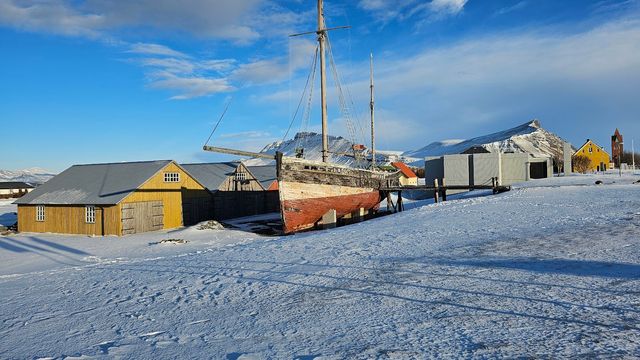
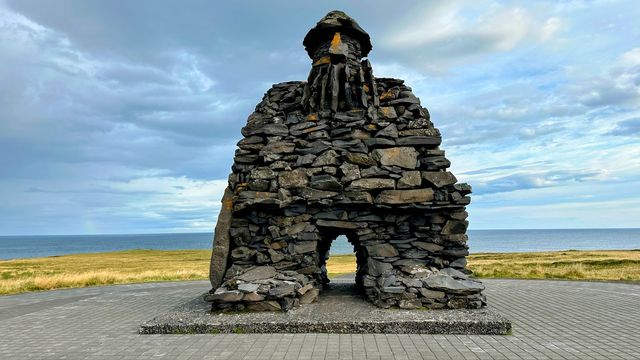
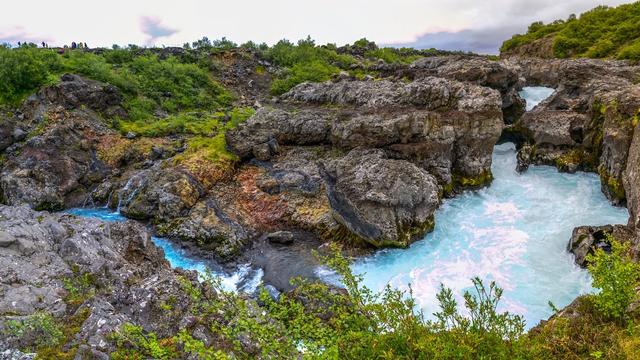

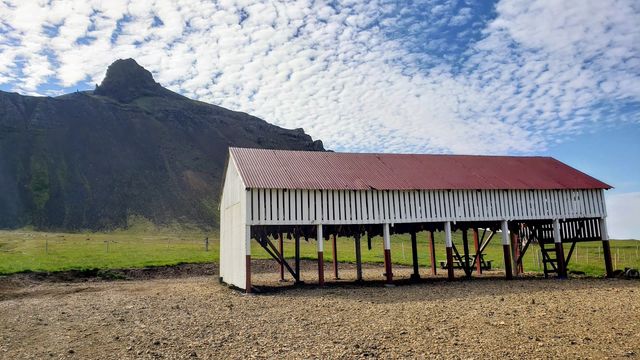


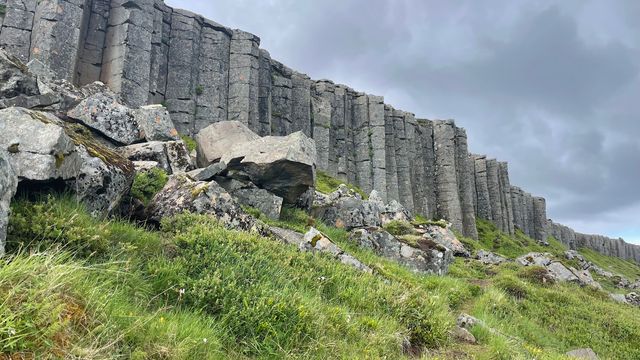
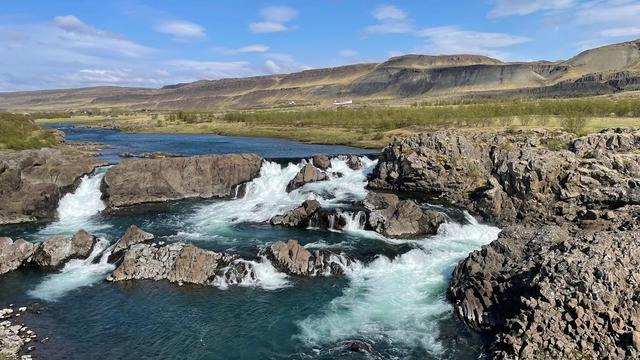

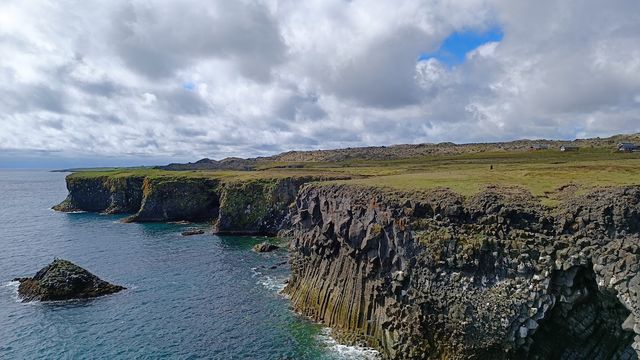
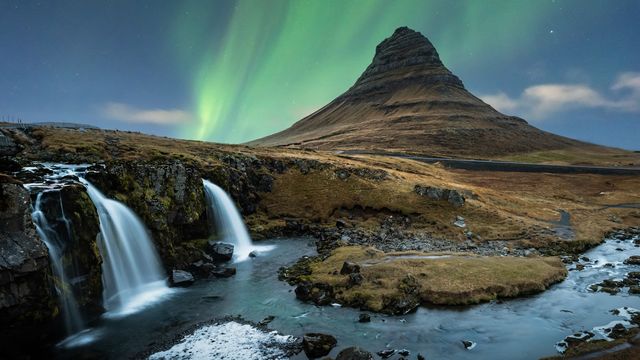
Destinations in West Iceland
Frequently asked questions
Can you fly to West Iceland?
No. The region has no scheduled flights. You arrive by road from Reykjavík or from North Iceland along the Ring Road, or by ferry from the Westfjords.Tunnel or the drive around Hvalfjörður?
The tunnel under Hvalfjörður is 6 km; going round the fjord is 59 km. The long way is worth it if you have the time. It passes the only whaling station still operating in the country, plus waterfalls, mountains and rivers, and traffic on it has been very low since the tunnel opened.How do you reach Flatey and the other islands in Breiðafjörður?
Flatey is the only island with a regular service, on the Baldur ferry between Stykkishólmur and Brjánslækur. It is also the only one still inhabited; the rest were farmed in earlier times. Visiting any other island means arranging a boat on the spot, and most are small with little to see.Is West Iceland a good place to eat?
It is not a culinary region, even by Icelandic standards. Snæfellsnes is fishing country, so order fresh fish, especially in the villages at the western end. Búðardalur is known for cheese. Geothermal heat feeds greenhouses around Borgarfjörður, and a stall by Deildartunguhver sells tomatoes. Hótel Búðir and the café Fjöruhúsið sit on the south coast of Snæfellsnes.Is anything brewed or distilled locally?
Yes. The beer Jökull is brewed by Mjöður Brugghús in Stykkishólmur, and Reyka Vodka is distilled in Borgarnes.