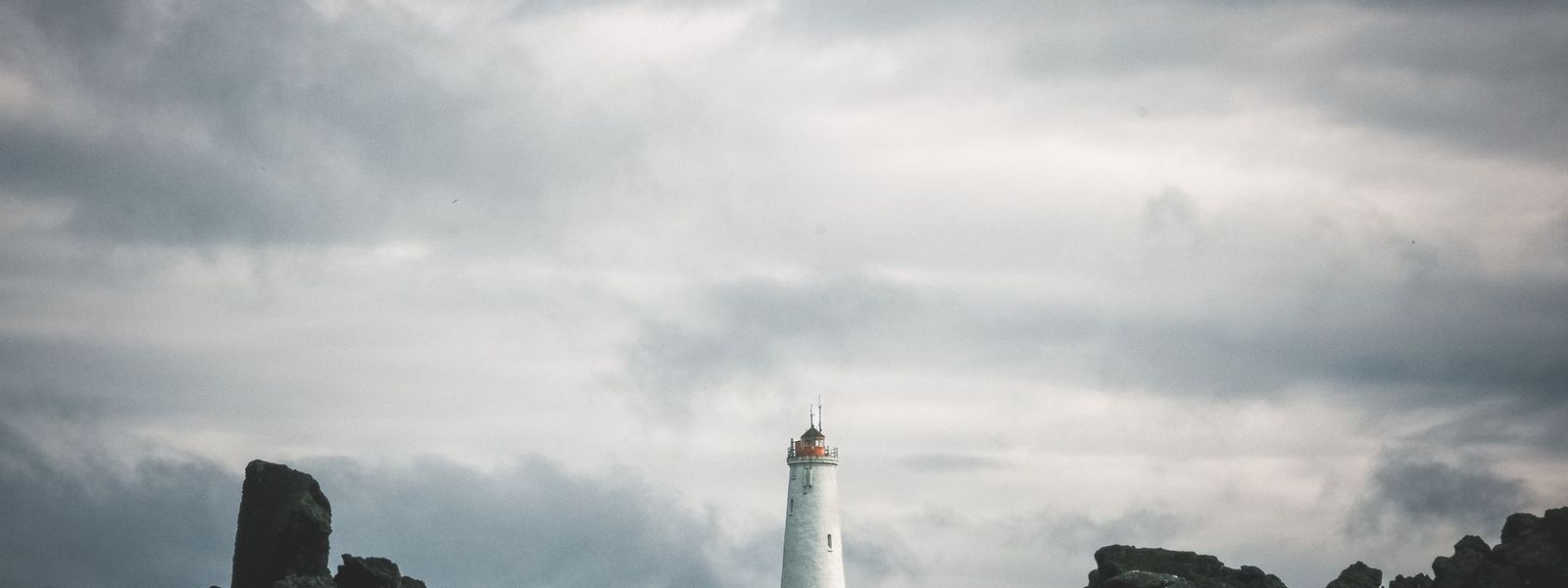
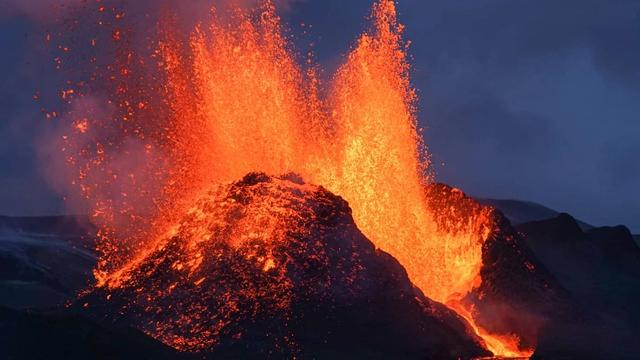
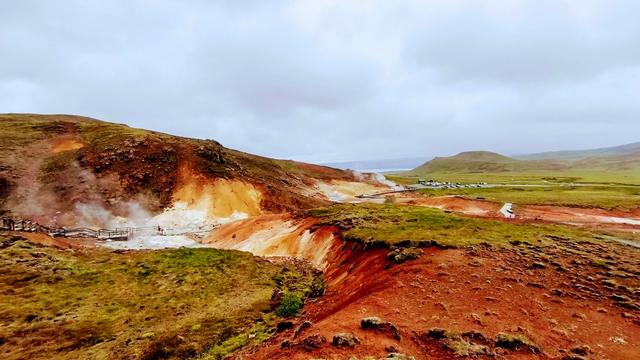
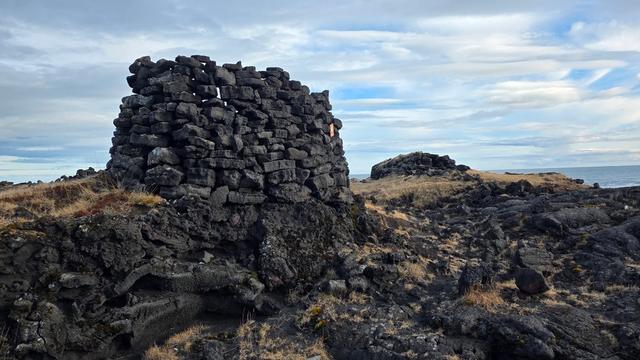
The Reykjanes Peninsula is the southwest corner of Iceland: 829 square kilometres of lava field with little vegetation and about 30,000 residents. Keflavík International Airport stands here, so most visits to the country begin and end on the peninsula. The Blue Lagoon, the hot springs at Krýsuvík, Kleifarvatn lake and the Bridge Between Continents lie within a short drive of each other. The volcanic systems under the peninsula woke in 2020 after nearly 800 years of quiet.
Reykjanes Peninsula
Local name: Suðurnes
- Currency
- Icelandic króna (ISK)
- Language
- Icelandic; nearly all speak English
- Power plug
- Europlug and Schuko sockets, 230 V
- Visa
- Schengen; outside the EU
- Time zone
- UTC±00:00 (Atlantic/Reykjavik)
- Tap water
- Safe; hot water smells of sulphur
- Tipping
- Not customary
- Emergency
- 112
Things to do
All tours in Reykjanes Peninsula on GetYourGuide
Paid links: booking through them supports YowJourney.
When to go
High season
Jun – Aug
At 63.9°N the nights barely darken in June and July. The lava fields and the coast can be walked late in the evening.
Shoulder
Sep – Oct
Daylight shortens quickly and Atlantic storms cross the peninsula with nothing to break them.
Low season
Nov – Mar
Days are short, roads ice over, and the wind crosses open lava with no shelter anywhere. There is little to do outdoors in a gale.
Shoulder
Apr – May
Snow leaves the lowland roads and daylight is long again by May. The weather stays unsettled.
How long to stay
One full day covers the main sights. Most visitors take the peninsula as a day trip from Reykjavík, or fit it around a flight, since Keflavík International Airport is inside the region. Two days is the better plan. The geothermal ground in the south, around Krýsuvík and Kleifarvatn, sits well away from the airport towns in the north, and one day forces a choice between them. A night in Reykjanesbær, the largest town, also removes the drive to Reykjavík before an early departure.
Getting around
A hire car is the practical way to get around. Keflavík International Airport sits inside the region and is Iceland's main point of entry, so most trips here start at the terminal rather than in Reykjavík. Roads run from the airport towns south to Grindavík and east to the geothermal ground at Krýsuvík and Kleifarvatn. Distances are short: the whole peninsula is 829 square kilometres. Scheduled buses link the airport with Reykjavík.
One caveat. The peninsula has been volcanically active since 2020, and roads near Grindavík and the eruption fissures close at short notice.
Local rules
Closures are enforced. The peninsula has erupted repeatedly since 2021. Grindavík was evacuated in November 2023 under a state of emergency, and the Sundhnúkur eruptions ran on into 2025. Cordons and closed roads around the fissures are binding. Do not step past one for a photograph.
Keep to marked paths in the geothermal areas. In places the ground on this peninsula reaches 100 °C half a metre below the surface.
Driving off marked roads and tracks is illegal in Iceland. The lava fields look like open ground and are not.
What to see


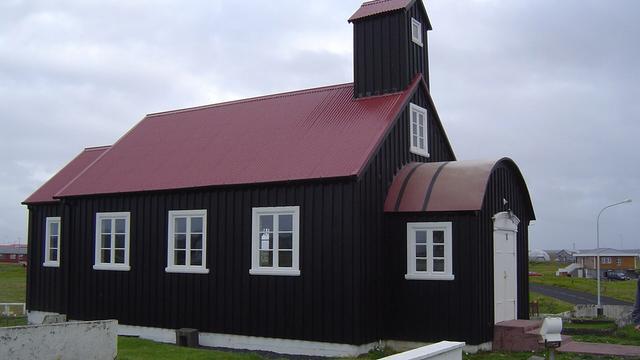





Destinations in the Reykjanes Peninsula
Frequently asked questions
Where is the Blue Lagoon?
On the Reykjanes Peninsula, beside the Svartsengi geothermal power station near Grindavík. The spa uses the hot, mineralised water that comes down from the station.Can you stand between two tectonic plates here?
The Bridge Between Continents crosses the Álfagjá rift valley near Grindavík, 18 metres wide and 6 metres deep. It was built in 2002 and was once named the Leif the Lucky bridge. It is promoted as marking the boundary between the Eurasian and North American plates.Is the peninsula still volcanically active?
Yes. Activity resumed in 2020 after nearly 800 years of quiet. Fagradalsfjall erupted on 19 March 2021, and the Sundhnúkur eruptions ran from 2023 to 2025. Grindavík was evacuated in November 2023 and a state of emergency was declared.Which is the main town?
Reykjanesbær, created in 1995 when Keflavík merged with Njarðvík and Hafnir. It is the largest settlement outside the Greater Reykjavík area. Grindavík, Njarðvík and Sandgerði are fishing towns.