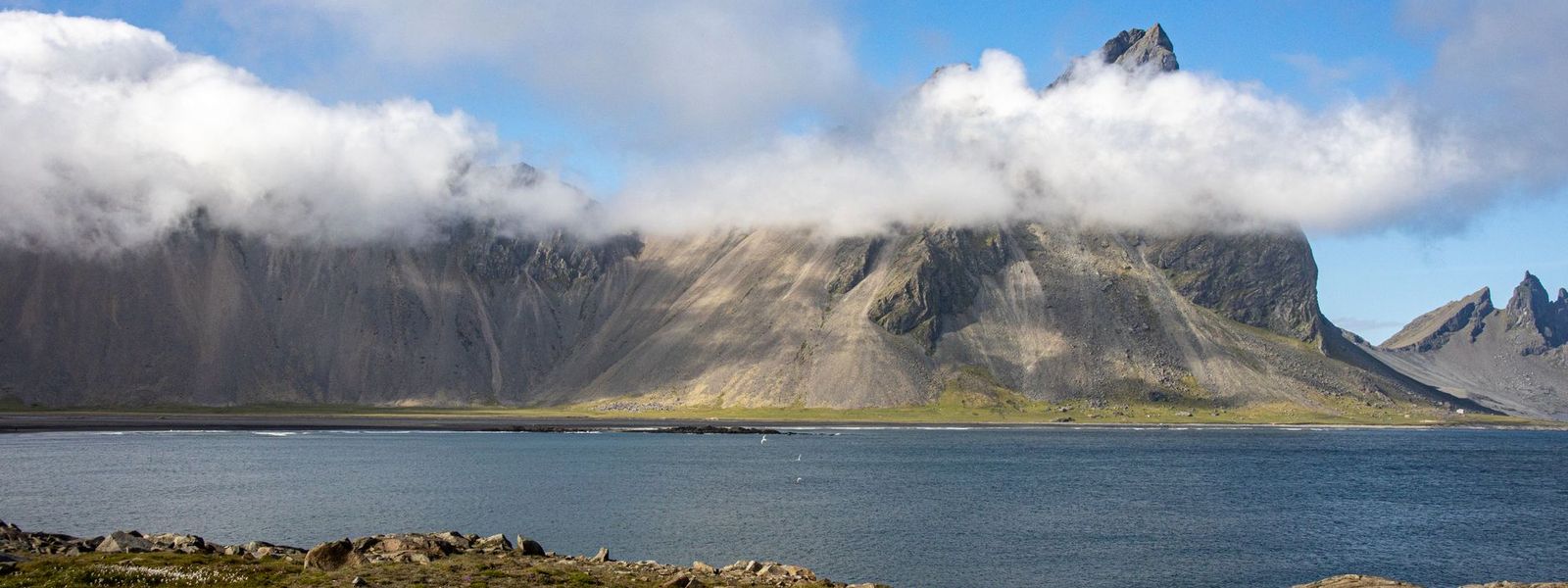
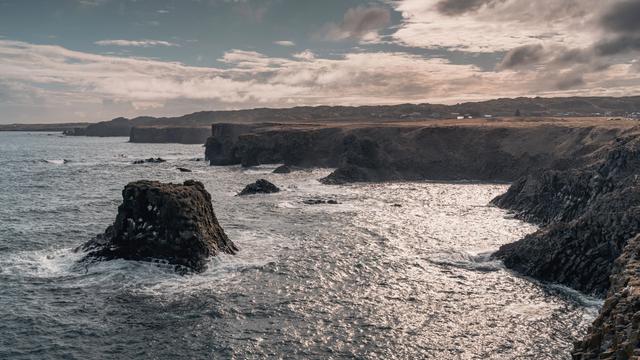
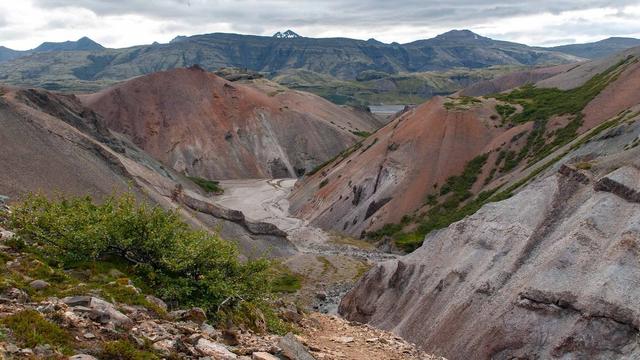
East Iceland covers the eastern quarter of the country, from the edge of Vatnajökull in the south to Vopnafjörður and Bakkafjörður in the north-east. The coast is cut into the East Fjords, where fishing villages sit between steep mountains and the sea. Inland lies Hérað, one of the warmest parts of Iceland in summer, with Egilsstaðir on the Lagarfljót lake as its centre. The region has the oldest rock in Iceland, the basalt columns of Stuðlagil, the Helgustaðir spar mine and the only reindeer in the country.
East Iceland
Local name: Austurland
- Currency
- Icelandic króna (ISK)
- Language
- Icelandic; nearly all speak English
- Power plug
- Europlug and Schuko sockets, 230 V
- Visa
- Schengen; outside the EU
- Time zone
- UTC±00:00 (Atlantic/Reykjavik)
- Tap water
- Safe; hot water smells of sulphur
- Tipping
- Not customary
- Emergency
- 112
Things to do
All tours in East Iceland on GetYourGuide
Paid links: booking through them supports YowJourney.
When to go
High season
Jun – Aug
Daylight lasts almost round the clock and every fjord road is open. Hérað inland is one of the warmest corners of Iceland in summer, and Icelanders fill Egilsstaðir on their own holidays. The weekly car ferry from Denmark is running into Seyðisfjörður.
Shoulder
Sep – Oct
Visitor numbers drop and the light shortens quickly. The first snow falls on the mountain passes between the East Fjords and Hérað, so check the forecast before crossing one.
Low season
Nov – Mar
Daylight is short and storms close the mountain passes without much warning. The ferry to Seyðisfjörður does not sail in the winter season, which leaves the Ring Road and the flights to Egilsstaðir and Höfn.
Shoulder
Apr – May
Snow clears the lowlands and the light returns fast, but the passes and the unpaved stretches of the Ring Road stay rough. The fjord villages are quiet before the summer traffic arrives.
How long to stay
Three to four days is the working minimum. The Ring Road crosses East Iceland in a few hours, but most of what people come for sits on the fjord roads leading off it, and those are slow. A day around Egilsstaðir and the Lagarfljót lake, a day for the fjord villages, a day in the south-east at Höfn and the edge of Vatnajökull. Allow a week if you also want Vopnafjörður and Bakkafjörður in the north-east. They are a long detour from everything else in the region.
Getting around
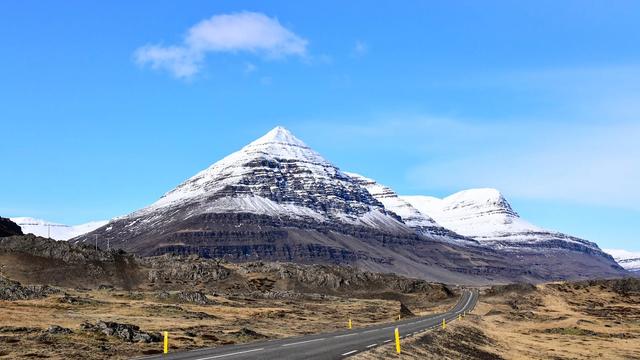
A hire car is the practical answer. The Ring Road runs through East Iceland, and most inhabited fjords are reached by highways leading off it. Some of those fjord roads run along steep drops to the sea. East Iceland also holds the only unpaved sections of the Ring Road left in the country, so drive slowly and check the forecast before any mountain pass.
The national Strætó network does not serve the region. East Iceland and the West Fjords are the two gaps in it, and the municipalities here run their own buses instead, Strætisvagnar Austurlands (SVAust). Icelandair flies from Reykjavík to Egilsstaðir, and Eagle Air flies from Reykjavík to Höfn.
What to see


Destinations in East Iceland
Frequently asked questions
How do you reach East Iceland from the rest of the country?
The Ring Road, Highway 1, passes through the region and connects it with the rest of Iceland. Icelandair flies from Reykjavík to Egilsstaðir and Eagle Air flies from Reykjavík to Höfn. Strætó buses run almost the full length of the Ring Road, with services from the north ending at Egilsstaðir and services from the south ending at Höfn.Can you sail to East Iceland from mainland Europe?
Yes. Smyril Line runs a weekly car and passenger ferry from Hirtshals in Denmark to Seyðisfjörður. It is the only ferry between Iceland and the European continent, and it does not sail in the winter season.Where in Iceland can you see reindeer?
Only here. East Iceland is the one part of the country where reindeer are found.Is the Ring Road paved all the way through the region?
No. East Iceland has the only unpaved sections of the Ring Road, and some of them run along sheer drops to the sea in the East Fjords. Weather is the main safety concern in the region, so check the forecast before setting off, especially for the mountain passes.Which is the main town?
Egilsstaðir, with about 2,600 people, set inland by the Lagarfljót lake. Höfn is the main town of the south-east, and its harbour is the only natural one on that stretch of coast. Djúpivogur is the oldest municipality in the region, trading since 1589.