Skálanes is a 1,250-hectare nature reserve on a peninsula 17 km east of Seyðisfjörður, in East Iceland. It is run as a non-profit research station and works with Icelandic and foreign universities on birds, plants and archaeology. The reserve holds 47 recorded bird species, at least 150 plant species, reindeer, arctic foxes and more than 80 archaeological sites. Its eastern coast is a line of sheer sea cliffs up to 600 metres high, on the southern side of the mouth of the fjord.
Skalanes

1,250 hectares hold 47 recorded bird species, more than 80 archaeological sites and sea cliffs up to 600 metres high.
- Accessibility
- Not wheelchair accessible: there is no step-free entrance, and the path to the cliff viewpoint has many steps.
- Parking
- Two car parks. Use the public one, before the lot beside the house; its sign is small and easy to miss.
- Difficulty
- A made path with many steps runs from the centre to the cliff viewpoint. If the stream crossings stop your car, the walk in is over 3 km on gravel.
- Transport
- No public transport. No bus stop is mapped within 5 km, so the only way in is by car and then on foot.
- Hours
- Open 24 hours, every day.
- Address
- 711 Skálanes
What makes it special
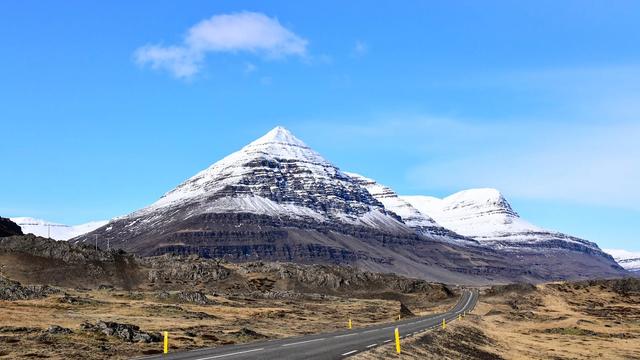
The reserve covers a whole peninsula: 1,250 hectares, running from a 945-metre skyline in the south down to the sea. On the eastern side the coast becomes sheer cliff, up to 600 metres high, and a made path with many steps leads out to a viewing point.
Birds are why most people drive in. 47 species have been recorded here, the arctic tern colony runs to thousands, and puffins nest on the cliffs. Reindeer and arctic foxes use the same ground, along with at least 150 plant species and more than 80 archaeological sites.
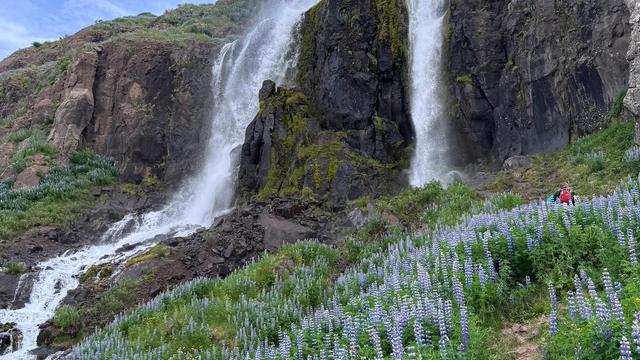
The house at the end of the track is not a museum. It is a research station in the INTERACT Arctic monitoring network, and its long-term work includes replanting 111 hectares with birch, rowan and willow and clearing Nootka lupin to give the native flora room.
Good to know
- Road: the way in is gravel and crosses open streams. A 4x4 is preferred; cars that cannot cross park short and walk over 3 km.
- Arctic terns: in the breeding season they defend their nests at head height. Wave them off with a raised hand and keep moving.
- On site: there are toilets and a picnic table or two at the centre.
- Do not walk into the building. It is staffed by working researchers, and there is little signage at the door to say so.
Getting there
Skálanes lies at the end of the road that runs east from Seyðisfjörður along the south side of the fjord. The last stretch is gravel and crosses open streams, and a 4x4 is preferred. If the crossings stop your car, you leave it and walk in: the mapped car parks are more than 3 km short of the centre. From the buildings a made path with many steps leads out to the viewing point above the sea cliffs.
Best time to visit
Better: summer, when the seabird colonies are occupied. Arctic terns are present in thousands and puffins nest on the cliffs.
Avoid: fog and rain, which hide the cliffs and the far side of the fjord.
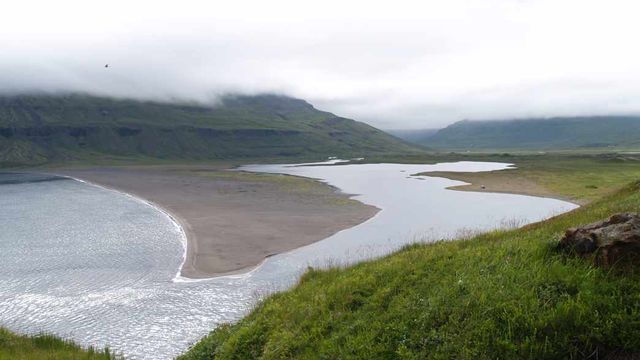
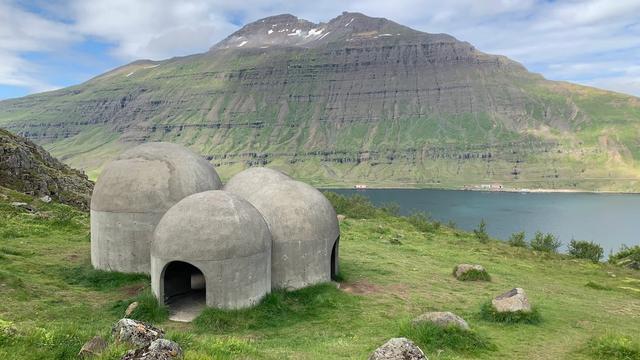
The wildlife and the view are the reasons to make the drive, and both depend on the weather. On a clear summer day you get sea, green slopes and snow still lying on the mountain tops.
Access & restrictions
Skálanes is a protected reserve, and its rules are about the birds. Stop at the public car park and walk the last stretch of track: tern chicks use it, and a car pushes them along in front of it. Many of the species here nest on the ground, so stay on the paths rather than cutting across the meadows. Long-term monitoring and planting plots run across the site; leave them as you find them.
Sun & daylight
Nearby Places

Similar Places


Skalanes on the map
The eastern side of the reserve ends in sheer sea cliffs up to 600 metres high; keep back from the edge. In the nesting season arctic terns dive at head height and will strike, so hold a hand or a stick above you. The track in crosses unbridged streams: a car that cannot clear them should not try.
Get directions

Your whole travel map in one place
Get inspired by new places around the world and find the ones worth the journey
Frequently asked questions
Do you need a 4x4 to reach Skálanes?
A 4x4 is preferred. The road in is gravel and crosses open streams, and lower cars stop at the car parks short of the centre. From there it is a walk of more than 3 km.Can you go inside the building at Skálanes?
Treat it as an office. It is a research station staffed by researchers, not a visitor centre, and little signage at the building says so. The reserve itself is open at any hour.What wildlife is there?
47 bird species have been recorded in the reserve. Arctic terns nest in a large colony and puffins are on the cliffs. Reindeer herds and arctic foxes also use the ground, and at least 150 plant species grow here.Are there toilets at Skálanes?
Yes. There are toilets at the centre, and a picnic table or two.How far is Skálanes from Seyðisfjörður?
17 km east, along the south side of the fjord, at the end of the road. There is no bus.