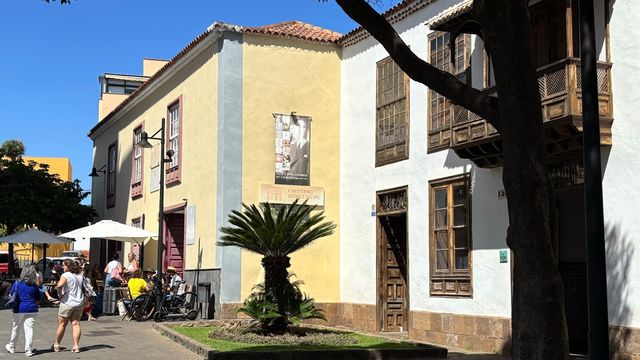
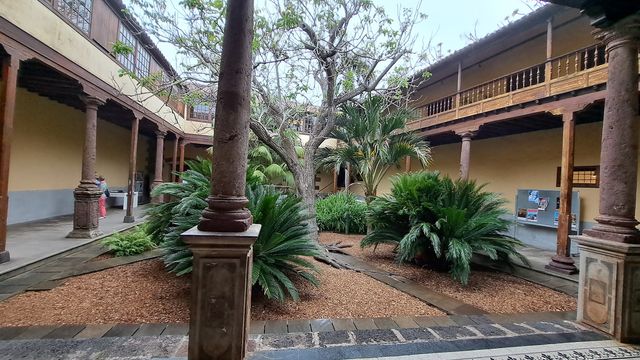
Casa Montañés was built in 1746 by the cavalry sergeant major Francisco Gabriel Montañés on San Agustín Street, in the historic centre of San Cristóbal de La Laguna. It is a piece of 18th-century Canarian civil architecture: cellars and warehouses on the ground floor, a mezzanine of offices, state rooms above, and an interior courtyard with glazed galleries. After renovation in 1986 it became the seat of the Canary Islands Advisory Council (Consejo Consultivo de Canarias).
Montañés House
Local name: Casa Montañesa

Canarian townhouse from 1746 with a column-free courtyard and glazed galleries on Canary Island pine.
- Parking
- The two nearest car parks, about 83 m and 187 m away, are private.
- Difficulty
- None: the house stands on San Agustín Street in the old town, and you walk in from the street.
- Transport
- Bus stops Tabares de Cala and Deán Palahi, each about 140 m away.
- Hours
- Monday to Thursday 8:00–13:00; closed Friday, Saturday and Sunday.
- Address
- C. San Agustín, 16, 38201 La Laguna, Santa Cruz de Tenerife, Spain
What makes it special
Past the entrance hall, the courtyard opens up with no columns anywhere in it. The glazed galleries round its sides rest on Canary Island pine, and the floor was left clear so that carriages, pack animals and goods could come straight in from the street. The patio has an Andalusian look to it.
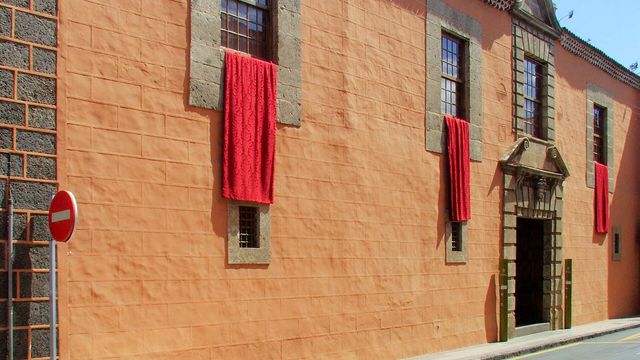
The façade tells the rest of the story. Cellars and warehouses sat at street level. Above them came a mezzanine where the business was run — documents, capital, the family's dealings with the Carta family — and the state rooms took the top floor. A second courtyard at the back handled servants and deliveries through a gate on what is now Viana Street, so the owners and the people who worked for them moved through separate halves of the house.
Good to know
- A working building: Casa Montañés is the seat of the Canary Islands Advisory Council and keeps office hours, mornings only and never at weekends.
- No drinking water nearby: fill a bottle before you come.
- Toilets: the nearest free public toilets are about 370 m away.
- Tourist information: an information office stands about 218 m away, useful for the rest of the old town.
Getting there
Casa Montañés fronts San Agustín Street in the old town of La Laguna, and you walk in from the street through the entrance hall. The nearest bus stops, Tabares de Cala and Deán Palahi, are both about 140 m away in a straight line. The two car parks closest to the house, about 83 m and 187 m away, are private, so do not count on parking at the door. The gate on Viana Street at the back was the service entrance; the front on San Agustín Street is the one to look for.
Best time to visit
Best: a morning from Monday to Thursday.
Avoid: afternoons, Fridays and weekends.
The house keeps the hours of the council that works in it, and outside them the courtyard sits behind a closed door. On a closed day the façade can still be seen from San Agustín Street, with the mezzanine floor marking out where the old offices were.
Sun & daylight
Nearby Places

Similar Places


Your whole travel map in one place
Get inspired by new places around the world and find the ones worth the journey
Frequently asked questions
Who built Casa Montañés, and when?
The cavalry sergeant major Francisco Gabriel Montañés del Castillo y Machado built it in 1746. After renovation in 1986 it became the seat of the Canary Islands Advisory Council.Why does the courtyard have no columns?
The clear floor let carriages, pack animals and goods come in from the street without obstruction, and the glazed galleries above are carried on Canary Island pine. Servants and deliveries had their own way in, through the rear courtyard and its gate on what is now Viana Street.Can you go inside?
The house is the working seat of the Canary Islands Advisory Council and opens on office hours, mornings only and not at weekends. The entrance hall and the courtyard with its galleries are the parts to see.Can I park near the house?
The two car parks closest to the house are private. The bus stops Tabares de Cala and Deán Palahi are both about 140 m away.