Skógar Museum is a folk museum in Skógar, a village on the south coast of Iceland below the Eyjafjallajökull glacier. Founded in 1949, it is made up of three parts: an indoor collection of everyday objects from southern Icelandic farms, an open-air group of turf and timber houses, and a museum of transport and technology. It stands in the same village as Skógafoss.
Skógar Museum
Local name: Skógasafn
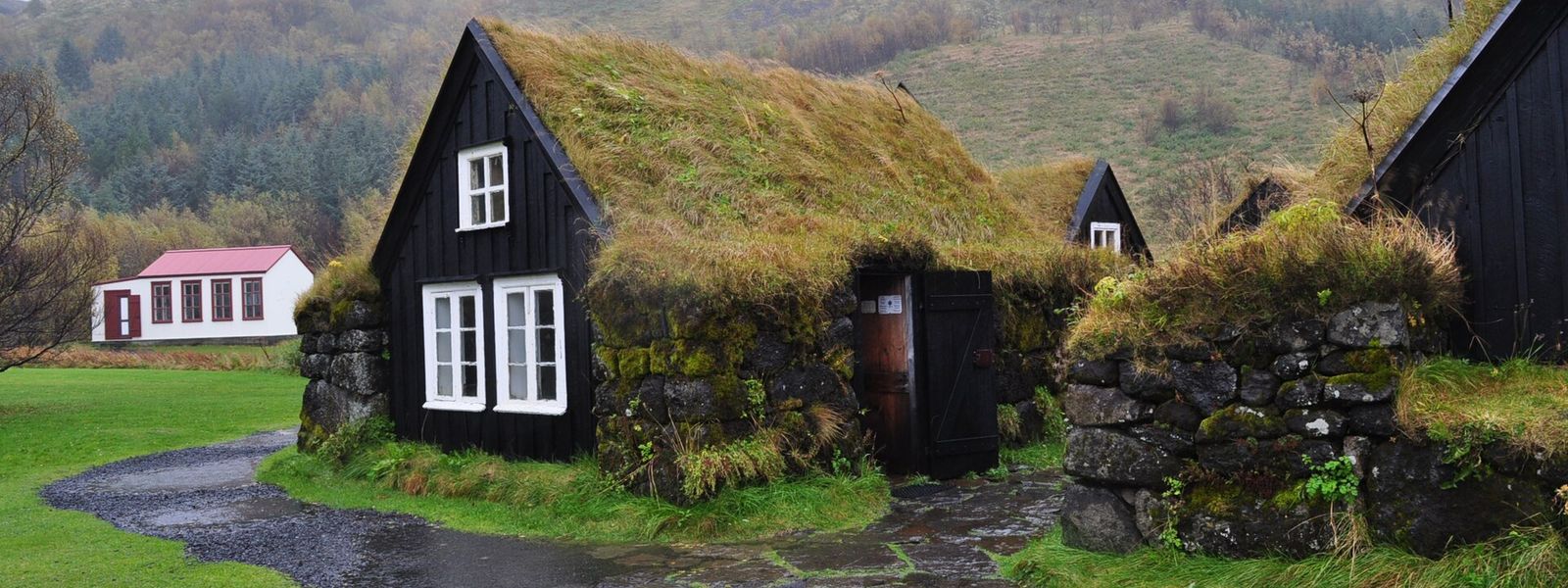
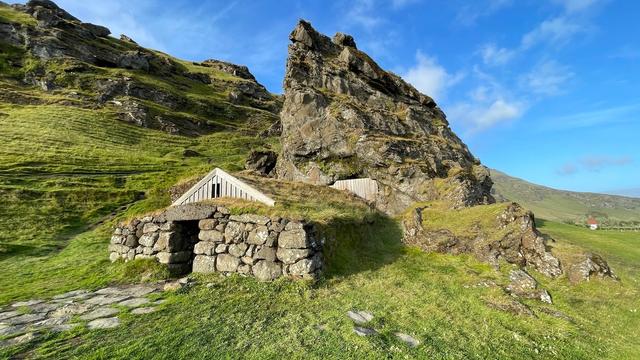
The turf houses in the open-air section are not roped off — you walk in through the doors.
- Entrance
- Paid admission
- Accessibility
- Step-free entrance, accessible toilet and wheelchair-accessible parking spaces.
- Parking
- Car park at the museum; free and paid parking are both available.
- Difficulty
- Easy — indoor galleries and outdoor turf houses
- Transport
- Self-drive off the Ring Road at Skógar, beside Skógafoss
- Hours
- Open daily, 10:00–17:00.
- Address
- Safnavegur 1, 861 Skógar
What makes it special
Skógar Museum is three museums on one site. The folk collection, opened in 1949, fills an indoor hall with tools, textiles, boats and household objects from the farms and fishing stations of the south. Outside it stands the open-air section: turf-roofed houses and timber buildings that you enter rather than view through a doorway. The third part is indoors again, a hall of transport and technology showing how people and goods moved across Iceland before the roads. Staff talk about the collection rather than leave you to the labels, and that is a large part of the visit.
Good to know
- Three parts, one site — the folk collection and the transport hall are indoors; the turf houses stand outside, and you cross open ground between them.
- The café is not open every day — it serves tea and coffee when open, and one visitor found it closed on a Sunday.
- There are toilets on site.
- It holds children — the turf houses are entered rather than viewed, and the transport hall is full of vehicles and machinery.
Getting there
The museum is in Skógar, the same village as Skógafoss, and it has its own car park. Everything after that is on foot: the folk collection and the transport hall are indoors, while the turf houses of the open-air section stand out on the grounds, so part of the visit is spent outside.
Best time to visit
Better: a wet or windy day, or straight after the walk to Skógafoss.
Avoid: counting on the café, and arriving close to closing time.
Most of the museum is under a roof, so bad weather works in its favour, and the crowds at the waterfall do not carry across to the exhibition halls.
Things to do nearby
All tours in Skógar on GetYourGuide
Paid links: booking through them supports YowJourney.
Sun & daylight
Nearby Places


Similar Places


Your whole travel map in one place
Get inspired by new places around the world and find the ones worth the journey
Frequently asked questions
What are the three parts of Skógar Museum?
An indoor folk collection, an open-air group of turf and timber houses, and an indoor museum of transport and technology. All three sit on the same site.When was the museum founded?
In 1949. It began as a collection of everyday objects from the farms of southern Iceland and grew into the three-part museum standing here now.What else is there to see in Skógar?
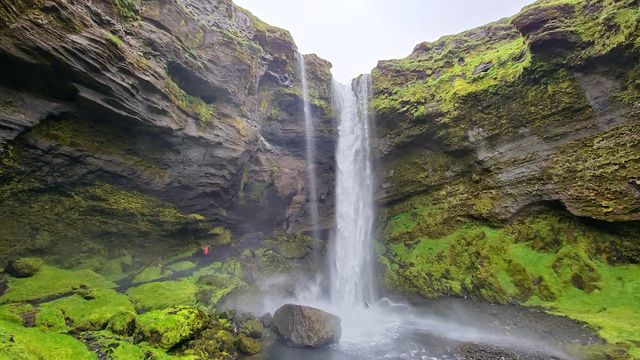
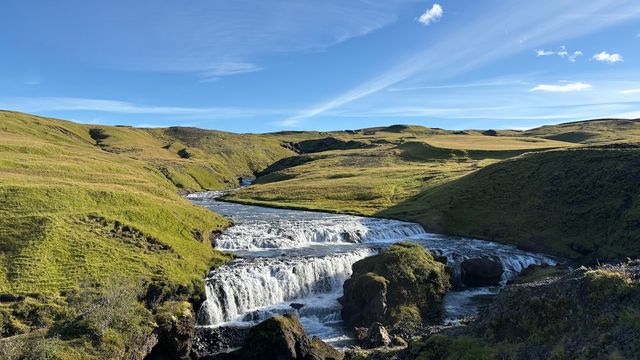
Skógafoss, which drops 60 metres over an eroded cliff on the Skógá river, and Kvernufoss nearby. There are more falls further upstream on the Skógá, and ruins of old farms in the wood behind the old school.Was Skógar affected by the 2010 eruption?
Yes. The village lies south of Eyjafjallajökull, and the eruption of 2010 hit the settlement severely.