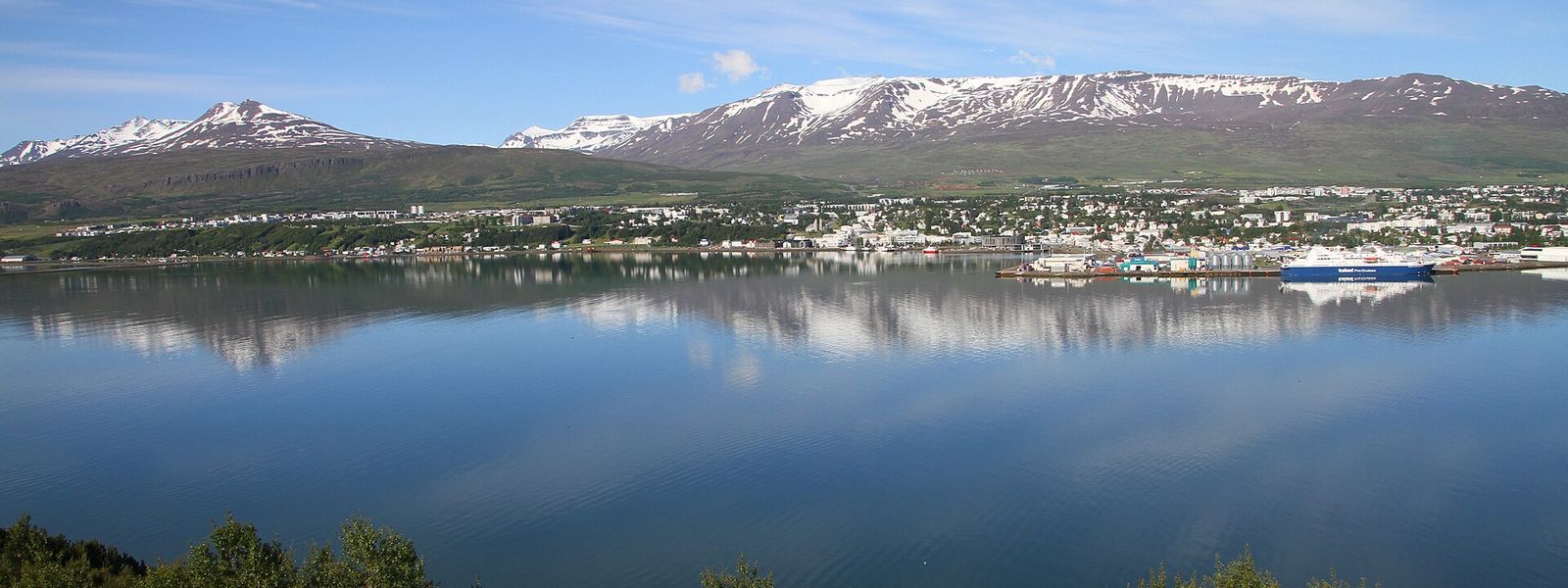
Akureyri stands at the head of Eyjafjörður, a long fjord in northern Iceland, and is the largest town outside the Capital Region. About 20,000 people live here. Mountains ring the town and shield it from strong winds, and the harbour never ices over. Fishing, the port and the University of Akureyri carry the economy. For travellers it works as the base for the north: an airport with international flights, museums, botanical gardens and the Ring Road running east towards Mývatn.
Akureyri
- Currency
- Icelandic króna (ISK)
- Language
- Icelandic; nearly all speak English
- Power plug
- Europlug and Schuko sockets, 230 V
- Visa
- Schengen; outside the EU
- Time zone
- UTC±00:00 (Atlantic/Reykjavik)
- Tap water
- Safe; hot water smells of sulphur
- Tipping
- Not customary
- Emergency
- 112
Things to do
All tours in Akureyri on GetYourGuide
Paid links: booking through them supports YowJourney.
When to go
High season
Jun – Aug
July is the warmest month and one of the driest, though temperatures stay cool and a day above 24 °C comes once or twice a summer. Cruise ships call at the port, festivals run through the season, and the F821 mountain road south is open.
Shoulder
Sep – Oct
Daylight shrinks quickly and snow cover starts to form in late October. Rain remains far lighter here than in southern Iceland, because the prevailing winds come from the south.
Low season
Nov – Feb
There is barely any sunshine from November to February, partly because mountains stand to the east and west. Snow lies on 80 to 85 per cent of days from December, and January is the coldest month.
Shoulder
Mar – May
Snow in the town melts during April. On the peaks around Akureyri it can lie all year, so the mountains stay white long after the streets are clear.
How long to stay
Two days cover the town itself: the museums, the botanical gardens, the galleries in Grófargil and the swimming pool. Allow three or four days if Akureyri is the base for the wider north, since the Vaðlaheiðargöng tunnel puts Mývatn within a short drive east. In winter, add slack. The Ring Road valley west of town is slow going in bad weather, and there are few safe places to pull over.
Getting around
The town is compact and the centre is walkable, though the ground climbs steeply away from the waterfront. Local SVA buses are free for everyone. Lines run about once an hour, from 06:30 on weekdays, and most stop between 18:30 and 19:30. Route A6 runs until just after 22:00 and is the only service at weekends and on some holidays, between 12:00 and 18:00. All routes begin and end at the Miðbær stop in the centre. Hyrefill is the only taxi company in town and keeps a rank in the centre; a taxi from the airport costs about kr 1,900. Bicycles can be hired from a souvenir shop on the main shopping street for kr 1,000 for six hours. Parking downtown is paid, Monday to Friday from 10:00 to 16:00. Long-distance buses are run by Strætó bs.; most call at the airport and stop at the Hof Cultural Centre.
Local rules
Parking. The downtown area has been a paid parking zone since 2023, split into two zones. Charges apply Monday to Friday from 10:00 to 16:00.
The tunnel toll. Vaðlaheiðargöng, immediately east of town on Route 1, is the only toll road in Iceland.
Mountain roads. The F821, which climbs south from Akureyri towards the highlands, is open only in summer.
Hrísey. The island is part of the municipality, but its northern half is private land and requires a pass to enter.
What to see
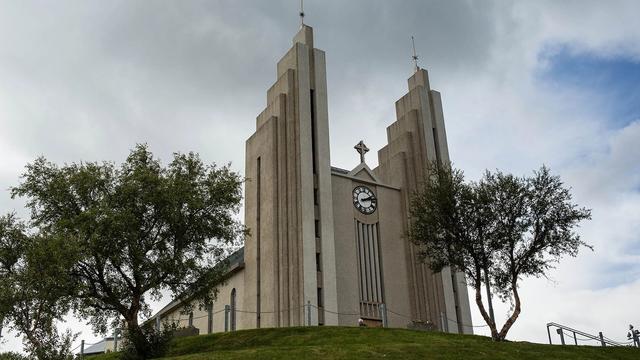

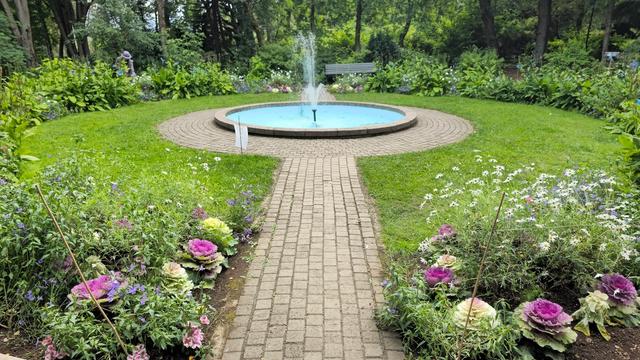


Destinations in Akureyri
Frequently asked questions
How do you reach Akureyri?
By air or by road. Icelandair flies from Reykjavík several times a day, and seasonal international routes link Amsterdam, London Gatwick, Manchester and Zurich. By car it is 390 km from Reykjavík on the Ring Road, which is paved and open year-round. Long-distance buses are run by Strætó bs. and stop at the Hof Cultural Centre.Are the town buses really free?
Yes. Fares on the SVA network were dropped in 2008 and passenger numbers rose by 130 per cent in a year. Buses run roughly hourly on weekdays. At weekends only route A6 operates, between 12:00 and 18:00.Is parking in the centre free?
No. The downtown area became a paid parking zone in 2023 and is split into two zones. Charges apply Monday to Friday from 10:00 to 16:00.What is there to do in winter?
Indoor sights, mostly. The town has several museums, among them the Akureyri Museum, the Akureyri Art Museum and Nonnahús, the childhood home of the children's writer Jón Sveinsson. There is also a large public swimming pool. Expect almost no sunshine between November and February and snow on most days.How close is the Arctic Circle?
Akureyri lies less than 100 km south of it. Grímsey, the island on the Arctic Circle, belongs to the municipality, and Norlandair flies there from Akureyri Airport.