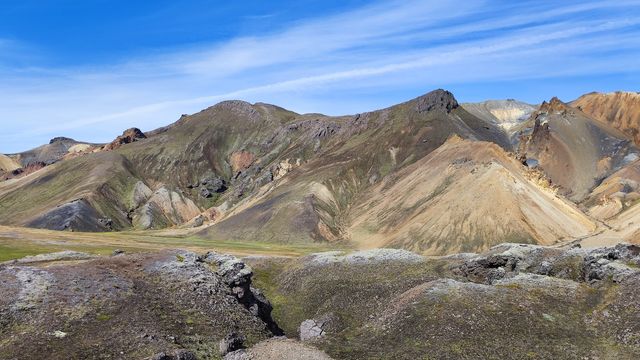
Reykjadalur is a geothermal valley above Hveragerði in South Iceland. Hot spring water feeds a stream warm enough to bathe in, about knee deep, with room to sit along the bank. The valley is reached on foot: a steep, unsurfaced path runs from the car park up to the river, and steam and the smell of sulphur mark the slopes on the way. The site is open at any hour, and people come to sit in the water rather than to look at it.
Reykjadalur Hot Spring Thermal River
Local name: Reykjadalur
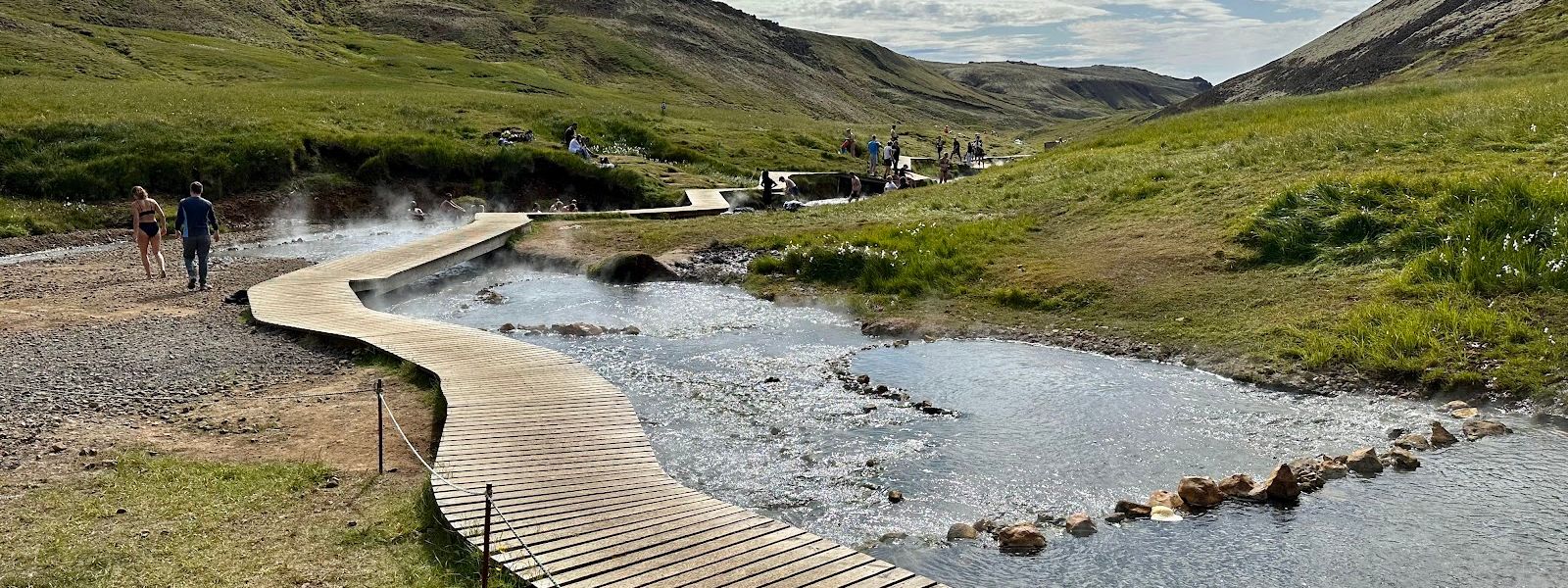
The river cools as it flows, so you choose your temperature by where you sit: around 40 °C near the warm end, cooler downstream.
- Entrance
- Free (parking fee applies)
- Accessibility
- Not wheelchair accessible. The approach is a steep unsurfaced path over uneven, rocky ground.
- Parking
- Paid car park at the end of the road, with portable toilets. The path to the river starts here.
- Difficulty
- Steep from the start, unsurfaced and rocky underfoot; 25 to 40 minutes each way. Icy and slippery in places in winter.
- Transport
- Self-drive to Hveragerði, then hike
- Hours
- Open 24 hours, every day.
- Address
- Reykjadalur, 816 Hveragerði
What makes it special
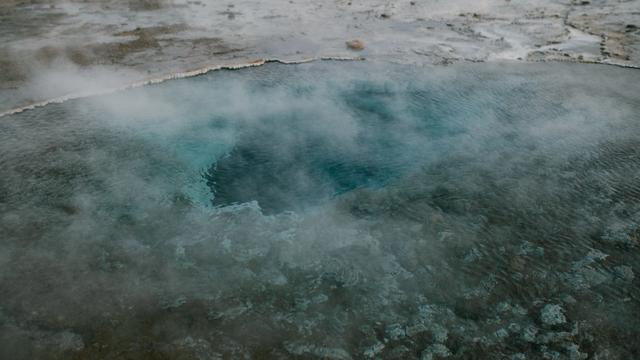
The destination here is the stream itself. Hot spring water runs down the valley and cools as it goes, so where you sit sets your temperature: around 40 °C at the warm end, noticeably cooler further from the source. The water is about knee deep, and there are many places to settle along the bank. Steam drifts off the slopes and the air carries the smell of sulphur. Changing spots are simple partitions by the water, open to view, so most people arrive with a swimsuit already on under their clothes and a large towel in the bag.
Good to know
- Road: The last stretch to the car park is unfinished, with large potholes, uneven surfaces and loose rock. A 4x4 is needed.
- Time: Allow two to three hours in total: the walk in, time in the water and the walk back out.
- Changing: The partitions by the river are open and give little privacy. Wear a swimsuit underneath and bring a large towel.
- Winter: The path is icy and slippery in places, and the valley is windy and cold.
- Weather: Rain and strong wind arrive fast and soak through waterproof jackets. Wet clothing plus wind makes the walk back genuinely cold.
Getting there
Everything past the car park is on foot. The path climbs steeply from the start and stays unsurfaced and rocky the whole way, and the walk in takes 25 to 40 minutes. Stay on it. The ground beside the path is wet, and one step off means soaked shoes for the rest of the day. Hiking boots, not trainers.
Best time to visit
Better: late evening in summer. Around midsummer it stays light all night, and the river is quieter late on.
Avoid: a winter walk without proper footwear. The path ices up in places, and cold wind in the valley turns a wet return unpleasant.
The water is good in February as well. It is the walk in, not the river, that changes with the season.
Sun & daylight
Nearby Places


Similar Places

Featured in our guides
Reykjadalur Hot Spring Thermal River on the map
The water is hotter close to the source and cooler away from it, so test a spot before getting in. In winter the path is icy and slippery in places. Weather turns quickly: heavy rain and strong wind soak through waterproofs, and wet clothing in wind makes the walk back seriously cold.
Get directions

Your whole travel map in one place
Get inspired by new places around the world and find the ones worth the journey
Frequently asked questions
How long is the walk to the thermal river?
Twenty-five to forty minutes each way from the car park, on a steep unsurfaced path over rocky ground. Allow two to three hours for the whole visit, including time in the water.How hot is the water?
Around 40 °C where it runs warmest, cooling the further you move from the source. It is roughly knee deep, with plenty of places to sit.Where do you change?
Open partitions stand along the river. They give little privacy, so wear a swimsuit under your clothes and bring a large towel.Can you go in winter?
Yes, and the site is open around the clock. In winter the path is icy and slippery in spots and the valley is windy and cold, but the water is worth the walk.Is it suitable for young children?
It is a demanding walk. One family with children aged five to eleven found the hike too much for them, and rated the hot stream a poor reward for the effort.