Things to do in Gran Canaria: from the dunes to Roque Nublo
10 min read7 destinations
Canary Islands · Spain
Gran Canaria is roughly round and about 50 km across, so wherever you stay, most of the island is a day trip away. The resorts and the Maspalomas dunes line the south coast, and Las Palmas, the largest city in the Canary Islands, fills the north-east corner. Between them, roads climb through pine forest to Roque Nublo, near the island's highest point at 1,956 m. Here are seven things to do, where to go for each, and what to book ahead.
In short
- Free: walking the streets of Vegueta, the El Balcón viewpoint and the Roque Nublo trail.
- Without a car: buses reach Vegueta, Las Canteras, Puerto de Mogán, the harbour at Agaete and the Cueva Pintada, and a shuttle bus runs to the Roque Nublo trail.
- On a grey day: the Cueva Pintada in Gáldar, and Casa de Colón and the Poema del Mar aquarium in Las Palmas.
- Book ahead: a Cueva Pintada ticket, and a free slot for Roque Nublo if you start from La Goleta between 10:00 and 17:00.
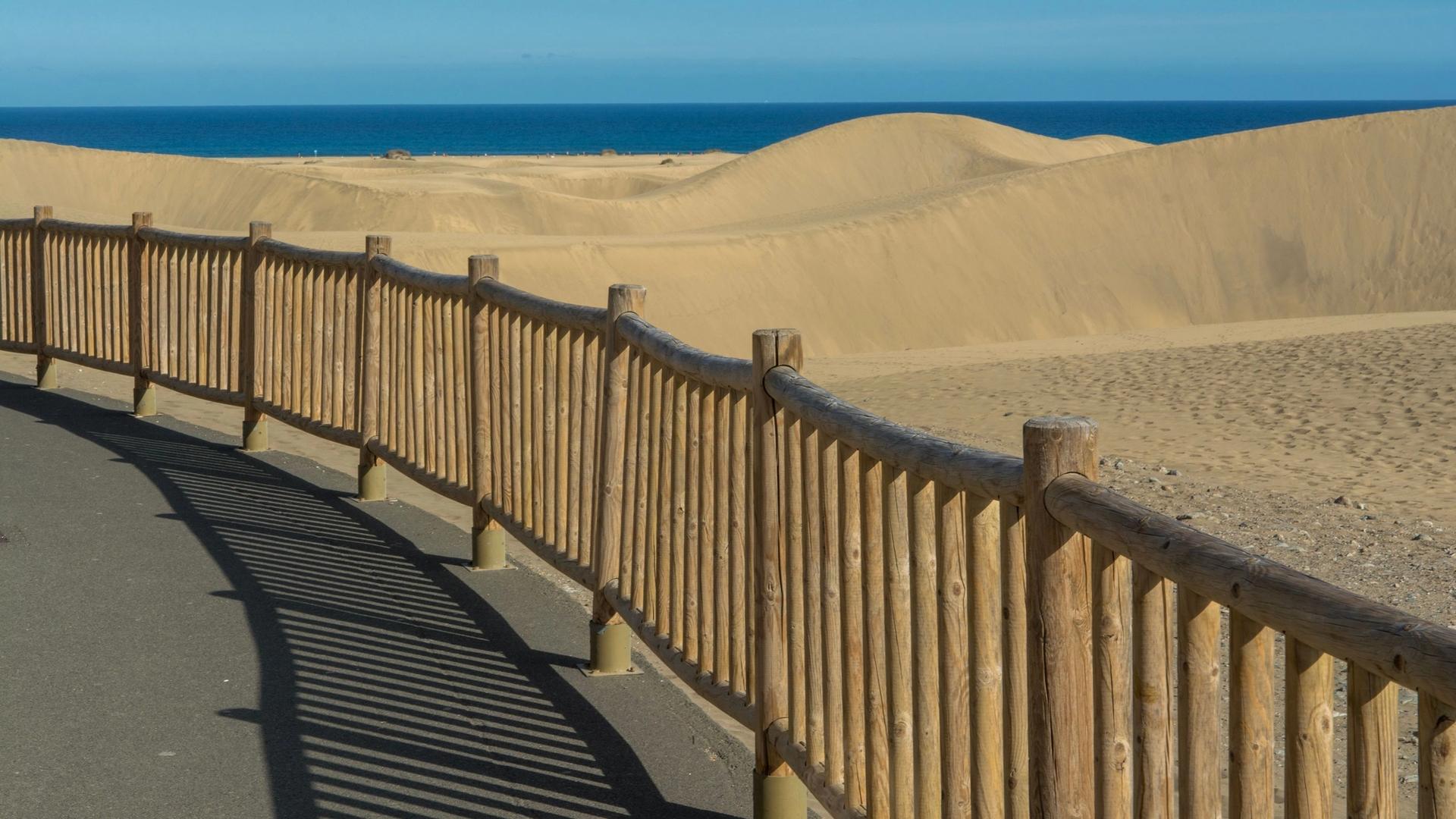
Walk the Maspalomas dunes
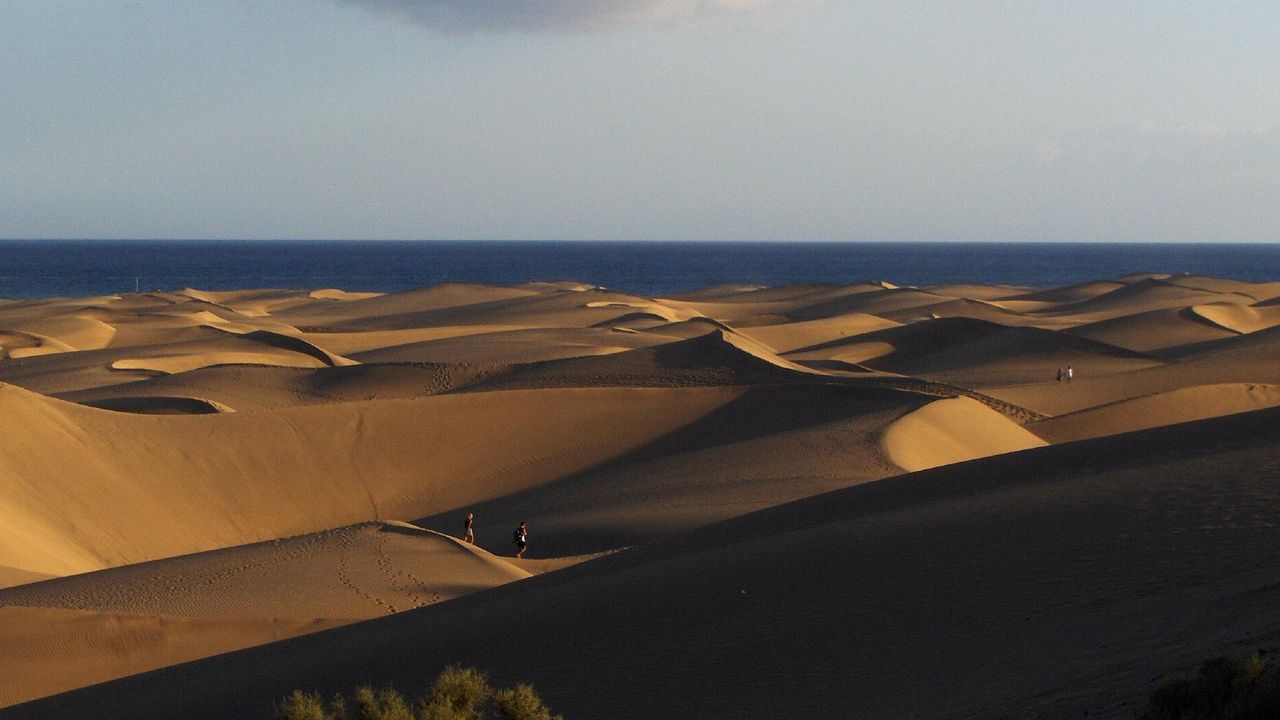
Maspalomas Dunes
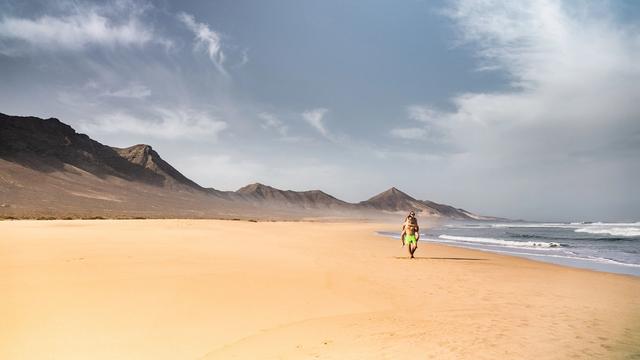
From the top of a dune the sand rolls away in golden ridges, with the sea on one side and the mountains of the interior behind. The wind keeps reshaping the crests, so they never look quite the same twice. Walk across and you come down onto the beach; along the edge of the reserve lie a palm grove and a saltwater lagoon, the Charca de Maspalomas, where birds gather. Car parks and bus stops are 700–800 m away, and soft sand makes every step slower. Come early in the morning or late in the afternoon, when the light is low and the sand cooler: at midday there's no shade at all. Tip: the dunes are a nature reserve, so keep to the marked routes, take nothing away and carry more water than you think you need, since there's none nearby.
Climb to Roque Nublo and Pico de las Nieves
The centre of the island is high country of pine forest and bare rock, and two of its summits are straightforward to reach: an easy-to-moderate rocky path climbs to Roque Nublo, and at Pico de las Nieves a road takes you up to the viewing platform. At both, the wind is strong even on a warm day, so bring a layer. The mountain roads are narrow and twist above steep drops, so drive them slowly.
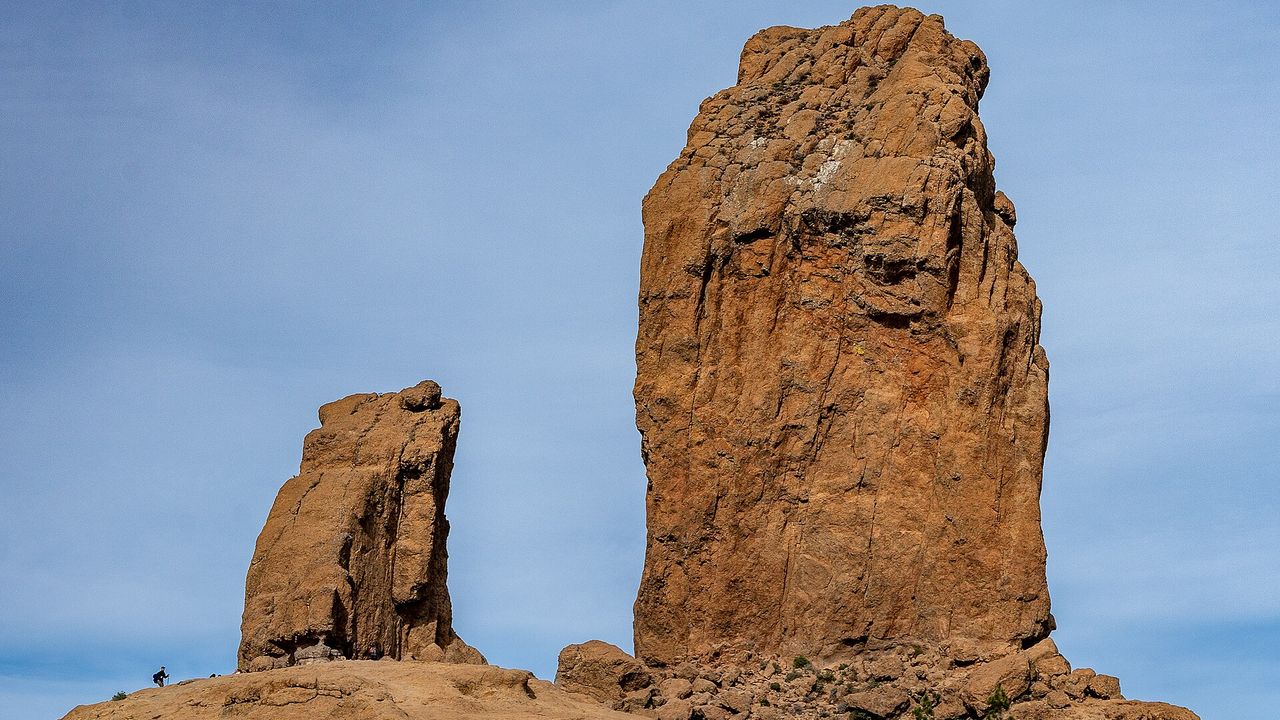
Roque Nublo
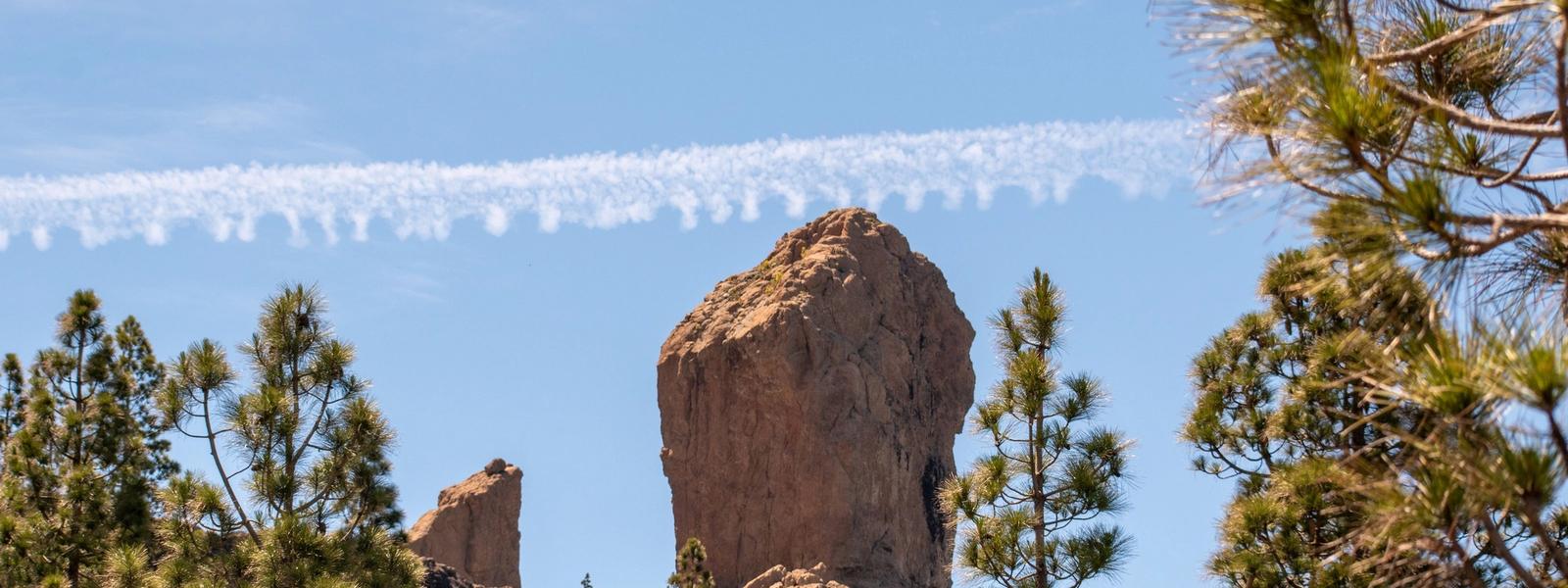
Its name means 'rock in the clouds', and from much of the island you can see it on the skyline above the central mountains. Close up it's 80 m of bare volcanic stone on a summit plateau, with two other rocks, Roque del Fraile and La Rana, standing nearby. The island's pre-Hispanic people held it sacred. From the plateau the view runs across the interior in every direction, and on a clear day it reaches Teide on Tenerife. The trail is rocky with almost no shade, and the edges of the plateau are unfenced, so keep back from the rim. Access is free, but if you start from the Degollada de La Goleta between 10:00 and 17:00, you need to book a slot on the walking-trails site run by the Cabildo, the island council. Roadside parking is banned, and a shuttle bus runs every 30 minutes from Tejeda and Cruz de los Llanos. Tip: there are no toilets, bins or water on the trail, so bring water and carry your rubbish back down.
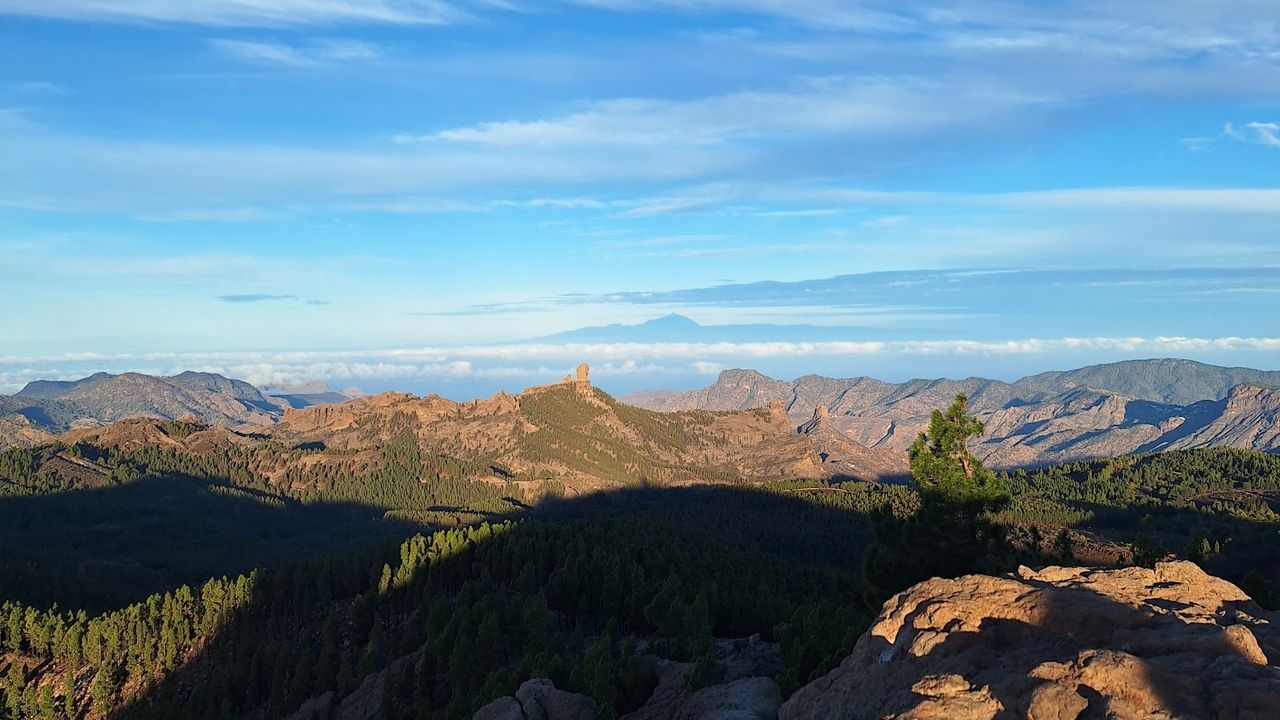
Pico de las Nieves
A road winds up through the pines to a free car park beside the viewing platform. On a clear morning the cloud lies below you, with Roque Nublo rising out of the ridges, Teide out to the west across the sea and half of Gran Canaria in view at once. The summit behind you, topped by a radar dome like a giant golf ball, is an army base and closed to the public. Pico de las Nieves owes its name, 'peak of the snows', to the snow trade: from 1694, winter snow was packed into covered pits on these slopes and taken down to Las Palmas as ice in June. Tip: come early, before the car park fills, or after dark for the stars.
Six more places in the mountains, Roque Bentayga among them, are in our guide to Gran Canaria's mountains and ravines.
Walk the old streets of Vegueta
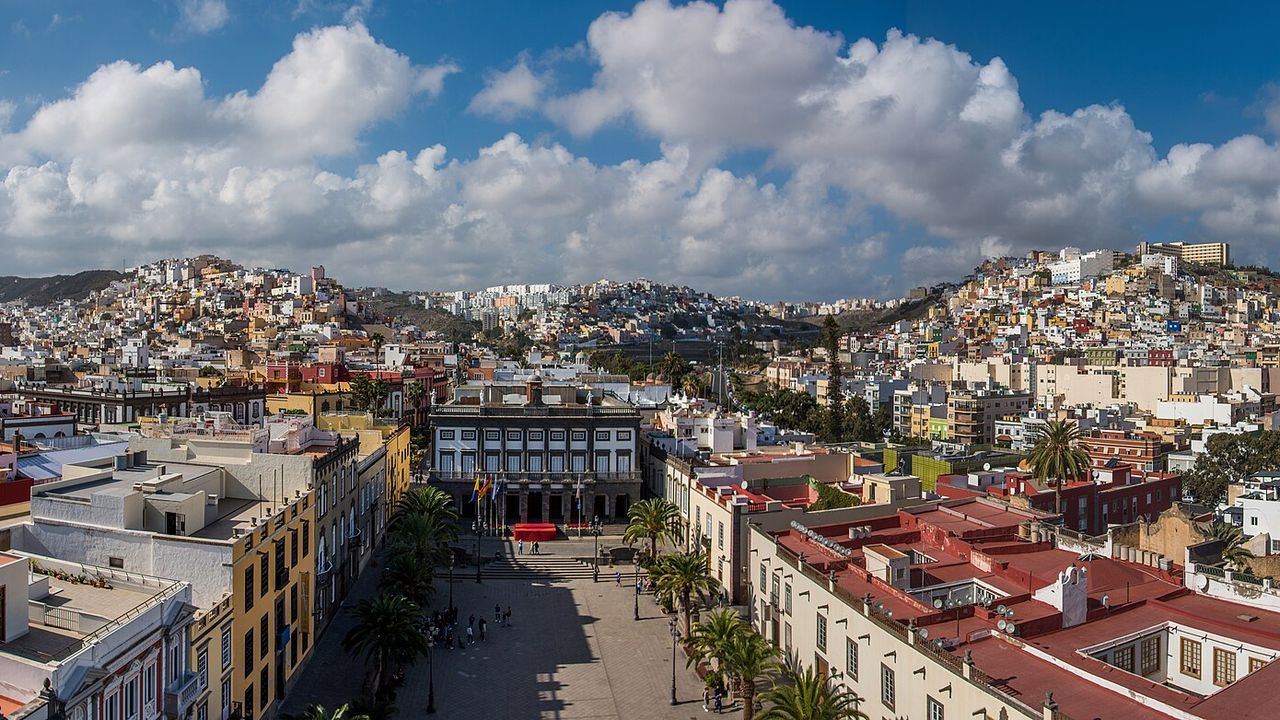
Vegueta Historic Quarter
Las Palmas began here: Spanish troops made camp beside the Guiniguada ravine in June 1478, and the town grew up around the camp. From Plaza de Santa Ana you see the cathedral towers on one side, the town hall facing them and the Bishop's Palace alongside. The streets run out from the square in a 16th-century grid, past carved stone doorways and the wooden balconies that give Calle de los Balcones its name. In the same streets, Casa de Colón tells the story of Columbus's voyages with ship models and charts, under carved wooden ceilings. Tip: come early or late in the day; at noon the square is in full sun, and only the narrow side streets have shade.
Things to do in Gran Canaria
Paid links: booking through them supports YowJourney.
Swim at Las Canteras and in the northern pools
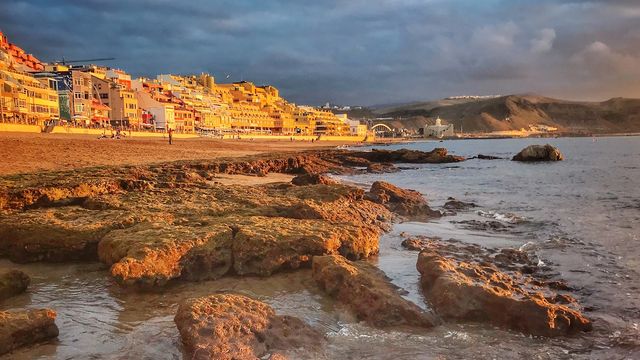
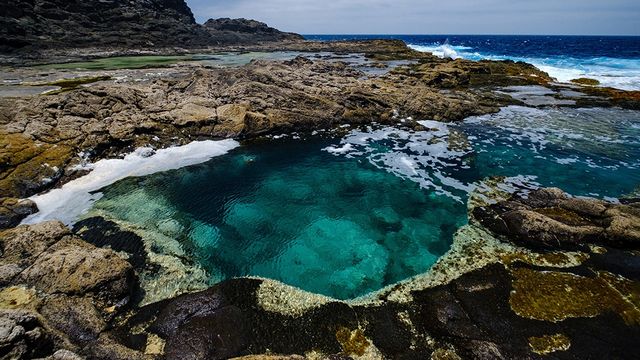
Las Canteras, the city beach of Las Palmas, runs for just over 3 km along the Guanarteme isthmus. About 200 m out, a sandstone reef called La Barra breaks the Atlantic swell, so the water off Playa Grande, the northern end, stays calm. Inside the reef it's about 2 m deep, with parrotfish and wrasse over rock and sand, so bring a mask and come at low tide. La Cícer, at the southern end, has no reef and belongs to the surfers. On the north coast at Bañaderos, in Arucas, the rock pools of Los Charcones hold clear seawater, deep in places and shallow in others, with fish in them. Go on a calm day, since in a heavy swell the waves break over the rock into the pools.
See how the ancient Canarians lived
Before the Spanish landed in 1478, the people of Gran Canaria carved caves and grain stores into the soft volcanic rock, and two places in the north show their work well. Two more, Risco Caído and the Guayadeque ravine, are in our mountains guide.
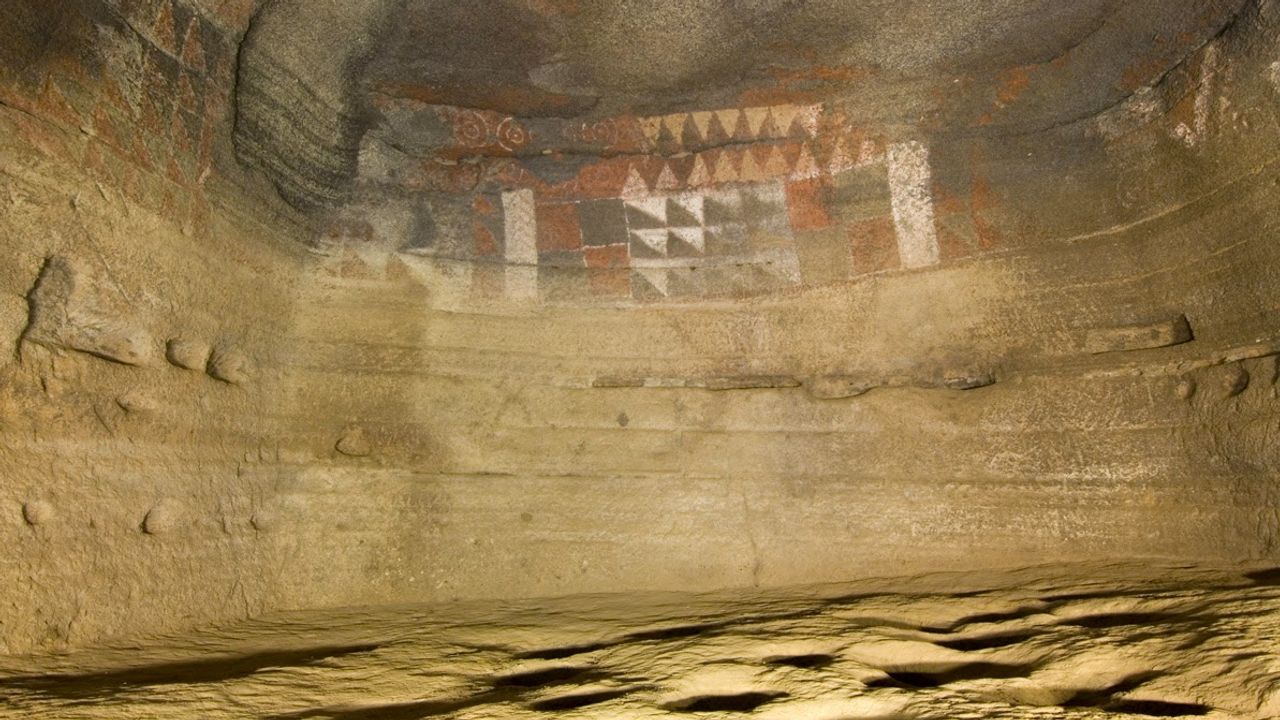
Cueva Pintada Museum and Archaeological Park
In the middle of Gáldar, a cave cut into the rock is painted with geometric designs in red and white. Around it lie the excavated houses of the village that stood here, now under a roof. You see it all on a guided tour of about an hour and a half, which moves between the cave, the village, short films and cases of finds. The guides take questions as you go. The English-language tour starts at 12:30. The museum is closed on Mondays and doesn't take cash. It recommends buying tickets in advance; as of October 2026 a standard ticket costs €6, and the guided tour a little more.
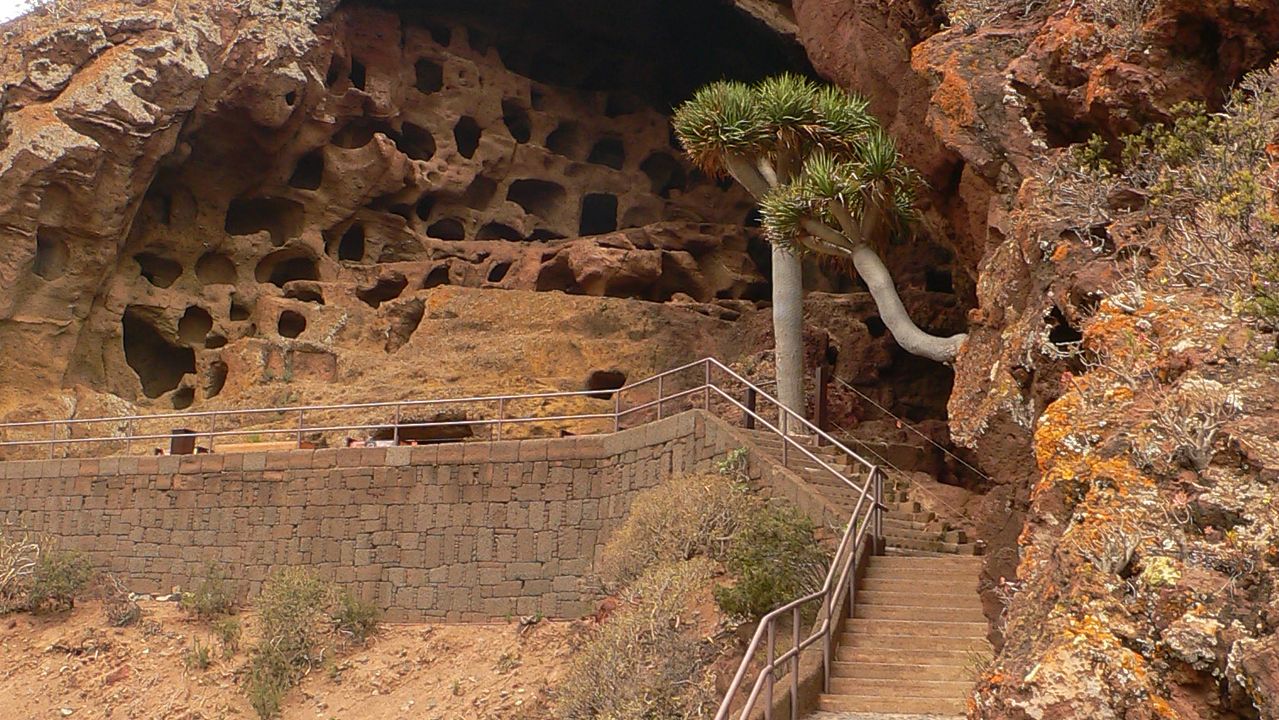
Cenobio de Valeron
From the path the cliff looks like a honeycomb: 298 openings, up to eight levels high, under a natural arch of rock, each one cut by hand into soft tuff. The name means 'monastery', because for centuries the caves were thought to have housed celibate priestesses. In the 20th century the archaeologist Guy Marcy showed they were a communal granary, each chamber closed with its own door of wood or stone. The chambers themselves are off-limits, so you look at them from a stepped path in front of the cliff. A visit takes 20 minutes to an hour. Come in the afternoon, when the sun reaches the openings. Tip: the site is closed on Mondays; by car, leave the GC-2 motorway at exit 20, about 4 km away.
Wander the canals of Puerto de Mogán
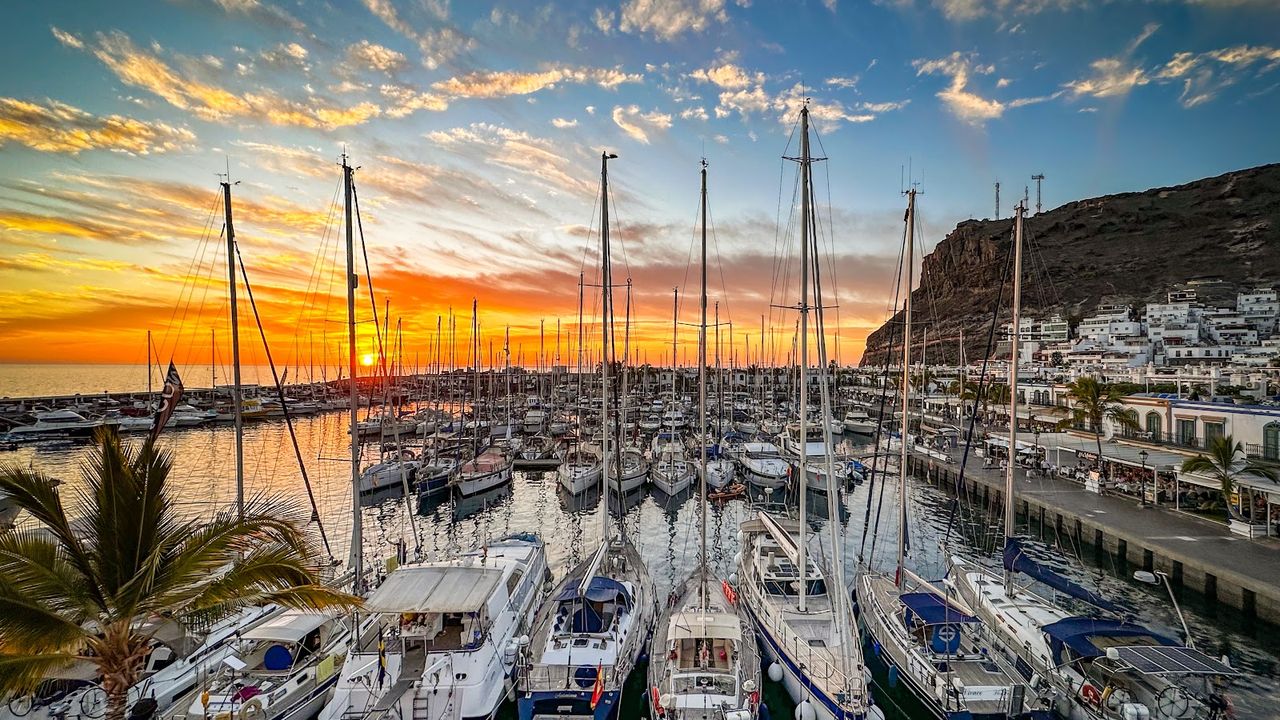
Puerto de Mogan Harbour
The harbour water is so clear you can watch fish on the bottom from the quay. Canals link the marina to the fishing harbour and give the village its nickname, Little Venice. The whitewashed houses along them are hung with flowers and kept low: few rise above two storeys, and the island council restricts anything taller. Lanes climb from the harbour up the side of the valley to a view over the rooftops and the sea. Friday is market day, when visitors come from all over the island, so pick another day if you want the harbour quiet. Tip: Playa de Mogán, beside the harbour, has pebbles near the shore, and the swimming is easier a little further out.
Drive the north-west coast
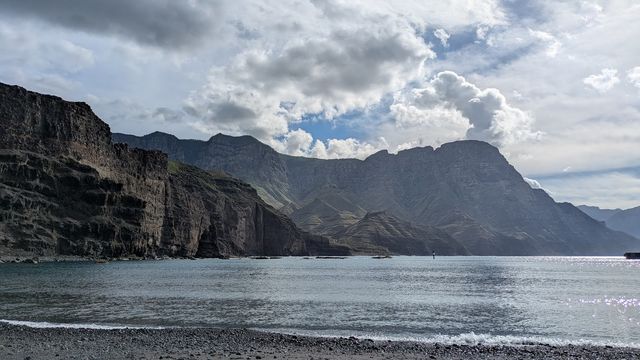
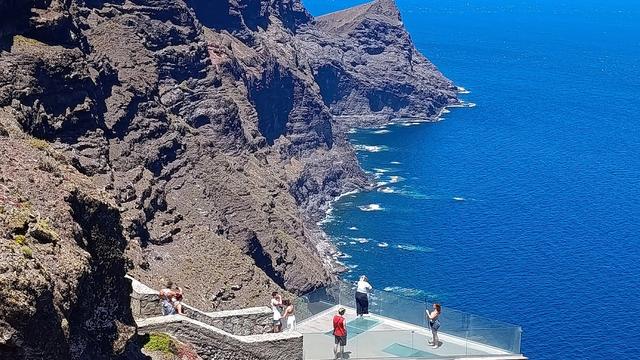
The west of the island is emptier, and the dual carriageways give out before you get there. At Agaete, the catamaran to Santa Cruz de Tenerife leaves from the harbour of Puerto de las Nieves and takes 80 minutes. Beside the terminal is a stony black beach, where you get into the sea from the stones or down ladders off the rocks; parasols aren't allowed because of the wind. Further south, near La Aldea de San Nicolás, the El Balcón viewpoint juts out from a sheer sea cliff and looks along a line of ridges known as the Dragon's Tail. Come for sunset, when the sun goes down into the sea towards Tenerife, but fill the tank first and drive back slowly: the road is narrow and winding, and trickier still after dark.
Before you go
A hire car is the practical way into the mountains, the ravines and the west. The GC-1 motorway links Las Palmas, the airport and the south coast, while mountain roads are slow. Buses, called guaguas here, cover the whole island, and you can pay in cash, by contactless card or with a TransGC card; there are no trains. On the beach, don't let anyone tie a bracelet on your wrist: vendors put one on and then demand far too much money for it. If you're coming between November and March, see Gran Canaria in winter.
Places and practical details come from our catalogue pages; Roque Nublo access and Cueva Pintada hours come from the Cabildo de Gran Canaria and the museum's own site, as of October 2026.
Start in the south with the dunes and Puerto de Mogán, give Las Palmas at least a day for Vegueta and Las Canteras, and save a clear morning for Roque Nublo. All of that fits into a week; with ten days or more, add the caves of the north, the north-west coast and the sunset at El Balcón.
FAQ
How many days do you need in Gran Canaria?
A week covers the essentials: a base on the south coast, a day in Las Palmas and a drive up to Roque Nublo. With ten days to two weeks you can add the north (Arucas, Teror, the Cueva Pintada and the harbour at Agaete) and the emptier west.Do you need a car in Gran Canaria?
Not for Las Palmas, the airport and the southern resorts: buses link all three. For the mountains, the ravines and the remote west, a hire car is the practical option, although a shuttle bus serves the Roque Nublo trail.What can you do in Gran Canaria when it rains?
Go to the Cueva Pintada in Gáldar, where the cave and the village are under cover, or stay in Las Palmas: Casa de Colón is almost entirely indoors, and seeing all of the [Poema del Mar aquarium](/places/poema-del-mar-aquarium) by the port can take around four hours.Do you need to book Roque Nublo?
Only if you set off from the Degollada de La Goleta between 10:00 and 17:00. The slot is free, and you book it on the Cabildo's walking-trails site; outside those hours, or from La Culata or the Degollada de la Hoya de la Vieja, you can walk up without one.