Fuerteventura or Lanzarote: which island to choose
9 min read4 destinations
Canary Islands · Spain
Choose Fuerteventura for long white beaches and for wind and waves. Choose Lanzarote for lava fields, volcanoes and César Manrique, or if you have less than a week, since you can drive from one end of the island to the other in about 40 minutes. The weather won't settle it: in January, daytime averages at the two airports are a tenth of a degree apart. Below, we compare the islands on winter weather, beaches, landscape, old capitals, roads and how many days you need.
In short: who should pick which
- Fuerteventura, if you want a week or more on long sandy beaches, with surfing, windsurfing or kitesurfing, and don't mind long drives on an island 100 km long.
- Lanzarote, if you want lava fields, volcanoes and Manrique's work, and have four or five days and a car.
We use the same sources for both: AEMET's 1981–2010 averages for the two airports, a single source for sea temperatures, and our own catalogue for places, roads and trip length.
Fuerteventura
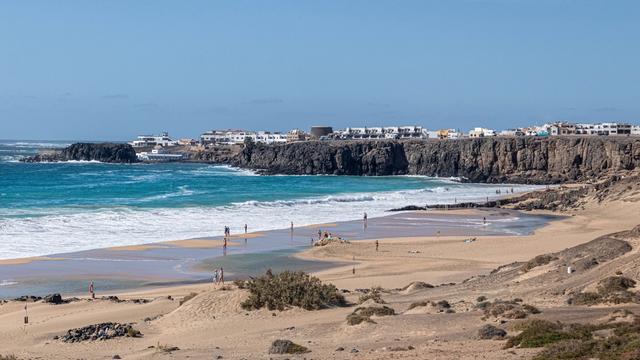
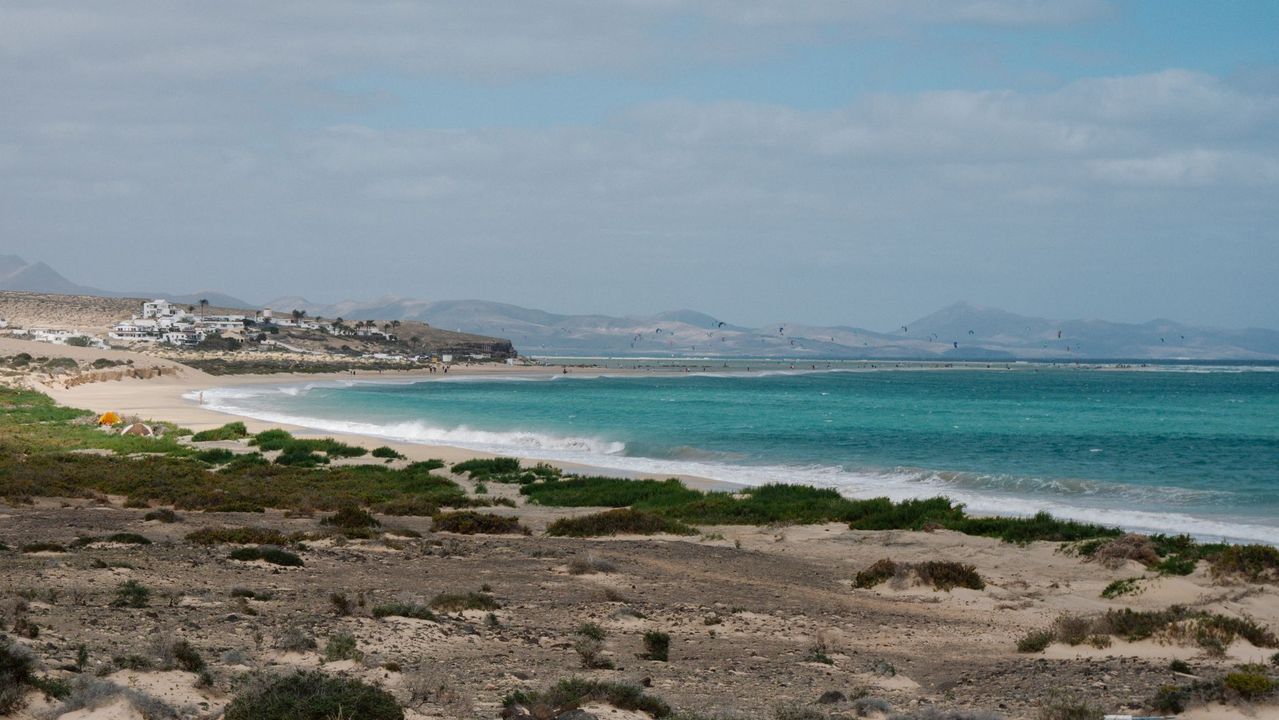
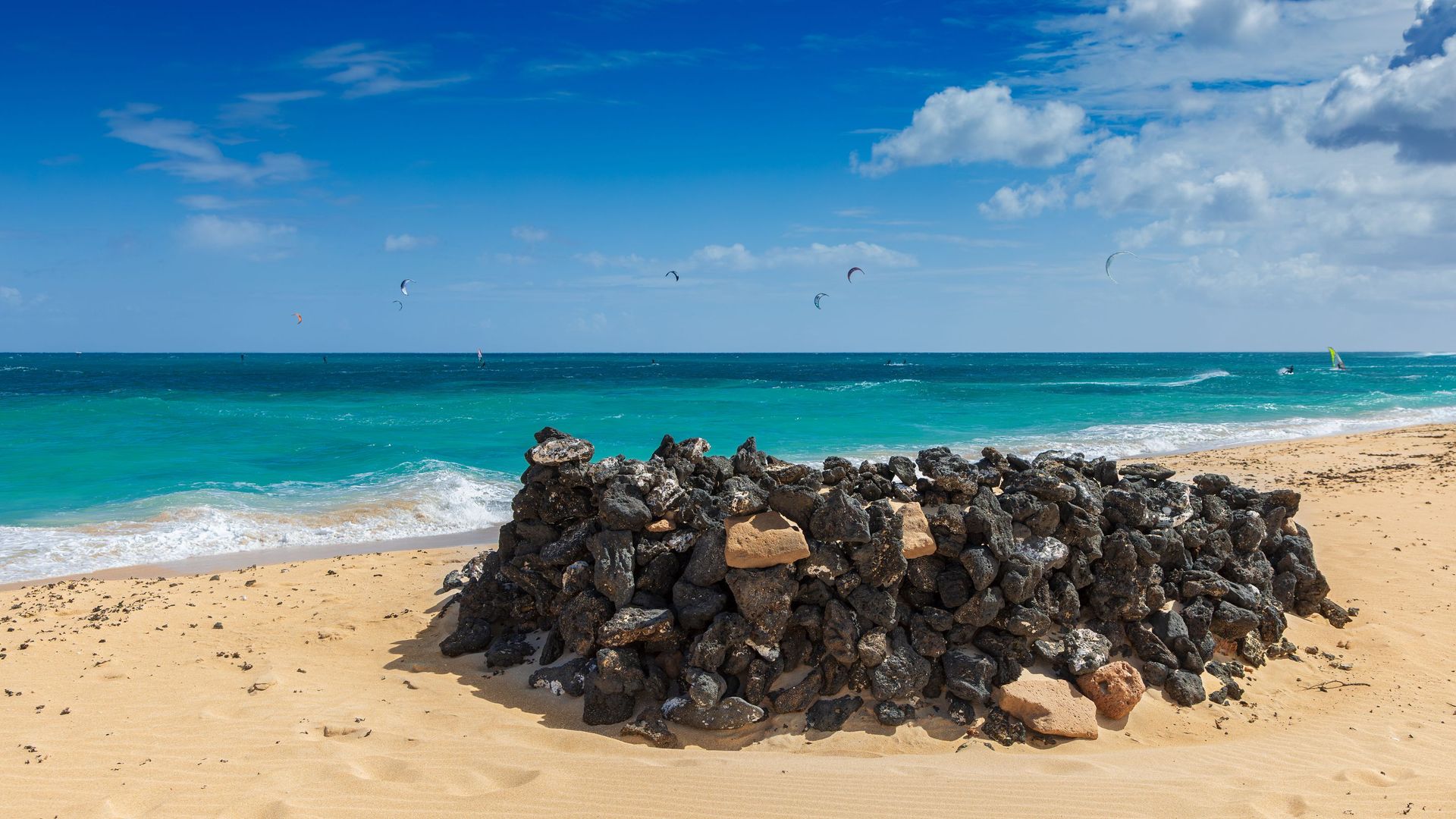
Best for: long beaches and wind. Fuerteventura is the oldest of the Canary Islands and one of the windiest. It has 152 beaches, with about 50 km of white sand in all, and most people come for the beaches and the water. Corralejo, El Cotillo and Sotavento fill with surfers, windsurfers and kitesurfers.
Lanzarote
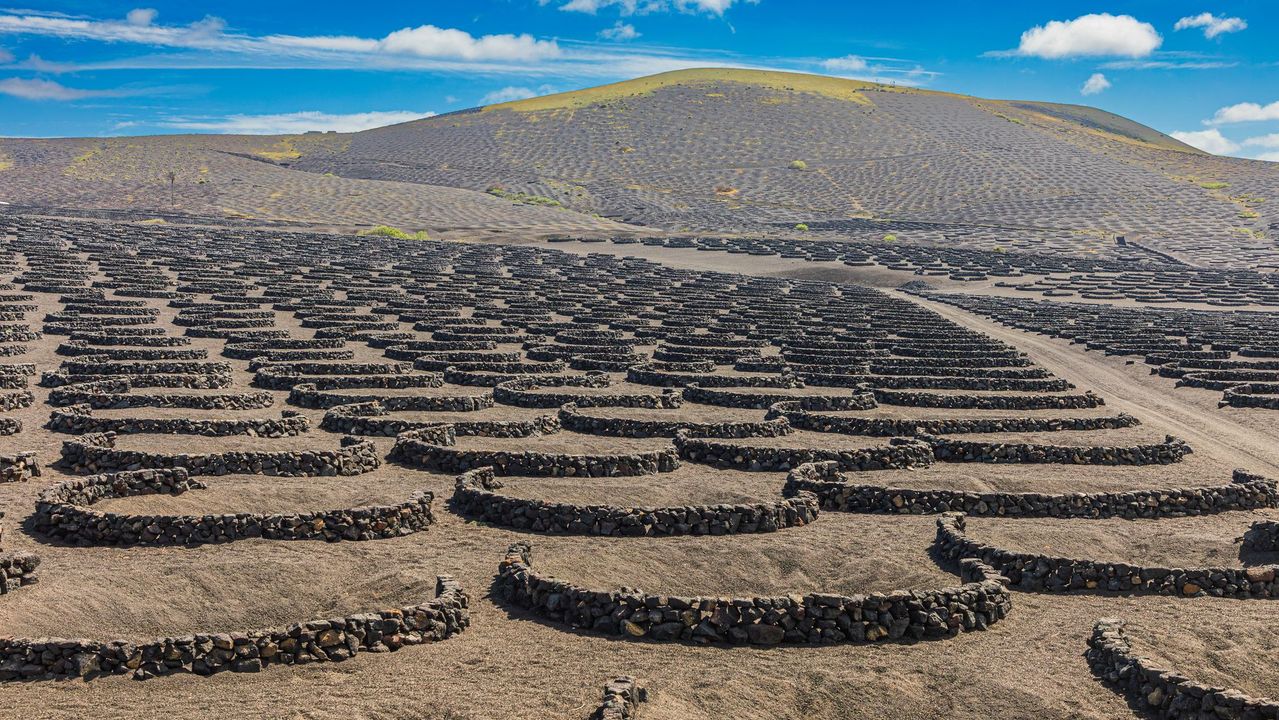
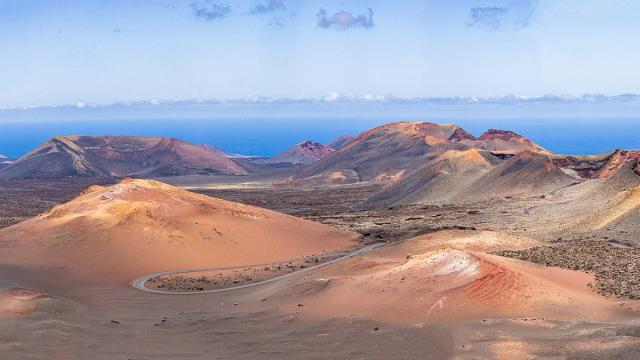
Best for: volcanoes, and trips of four or five days. Lanzarote is 60 km from north to south and 25 km across. Between 1730 and 1736 a series of eruptions raised 32 new volcanoes and buried a quarter of the island under lava, including 11 villages; part of that ground is now Timanfaya National Park. The island also has the vines of La Geria, planted in walled pits in the ash, and the lava tube of Cueva de los Verdes.
Winter weather: almost no difference
On the coast there's barely anything between them. These are AEMET's 1981–2010 January averages for the two airports:
- Fuerteventura, January: 20.6 °C by day, 14.7 °C at night, 14 mm of rain.
- Lanzarote, January: 20.7 °C by day, 14.0 °C at night, 16 mm of rain.
Fuerteventura's nights are a little warmer, and it is drier over the year, with 98 mm of rain against Lanzarote's 111. On both islands what little rain there is falls mostly in winter: on Fuerteventura December is the wettest month, and on Lanzarote the rain is concentrated between December and February. In February and March, after the winter rain, Lanzarote's dry ground comes into flower. The sea is the same around both, about 19 °C in January. In winter, Atlantic swell builds on Fuerteventura's north and west coasts. For a month-by-month picture, see Fuerteventura in winter and the best time to visit Lanzarote; for calima, the dust-laden wind off the Sahara, see the best time to visit the Canary Islands.
Beaches: long white sand or coves
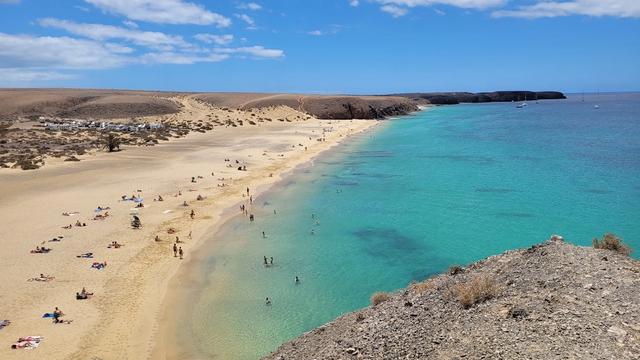
Fuerteventura is the island for long stretches of sand, with about 50 km of white beaches. Lanzarote has few large sandy beaches. Papagayo, a popular cove 120 m long, is one of a string of white-sand coves along the south coast, from Playa Mujeres to Caleta del Congrio.
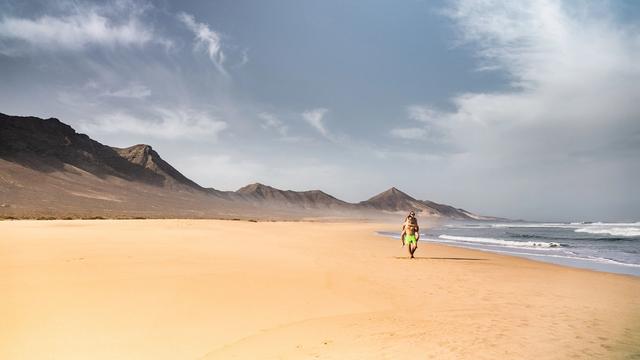
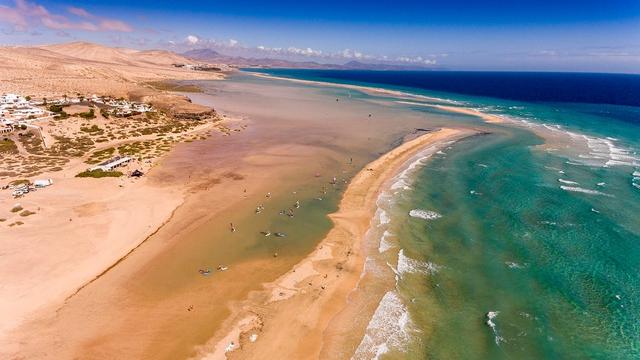
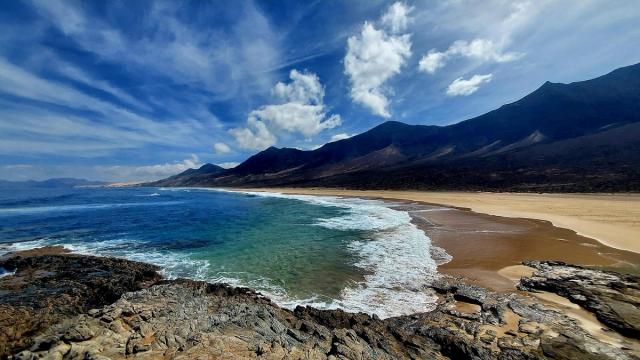
On Fuerteventura, Sotavento is a series of beaches around a tidal lagoon on the Jandía peninsula, and the International Windsurfing and Kiteboarding Championship has been held there since 1985. Cofete, on the western side of the peninsula, is kilometres of pale sand facing the open Atlantic, with no town on the shore. On Lanzarote, Famara runs for 2 km under a wall of cliffs rising to 671 m, and the surf schools in Caleta de Famara bring beginners here. Playa Mujeres is pale sand with nothing built behind it, and from the beach you can see Fuerteventura low on the horizon.
Fuerteventura
Lanzarote

Things to do in Canary Islands
Paid links: booking through them supports YowJourney.
Lava or dunes
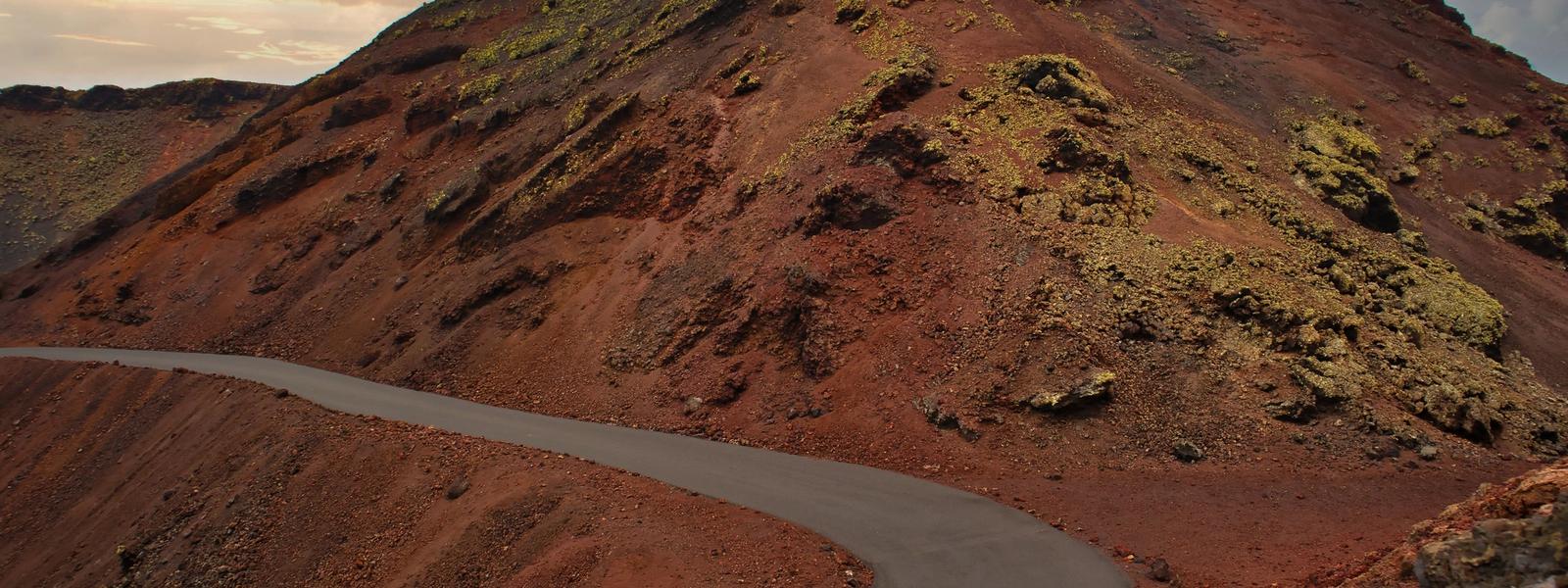
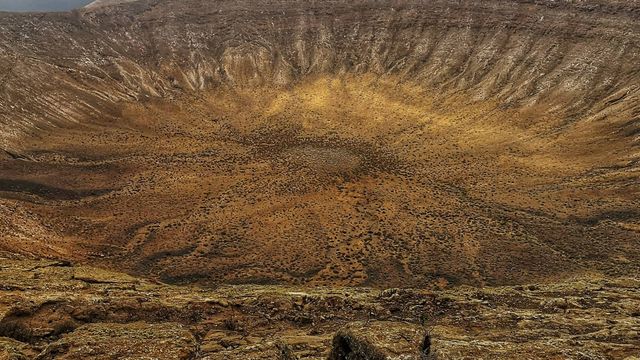
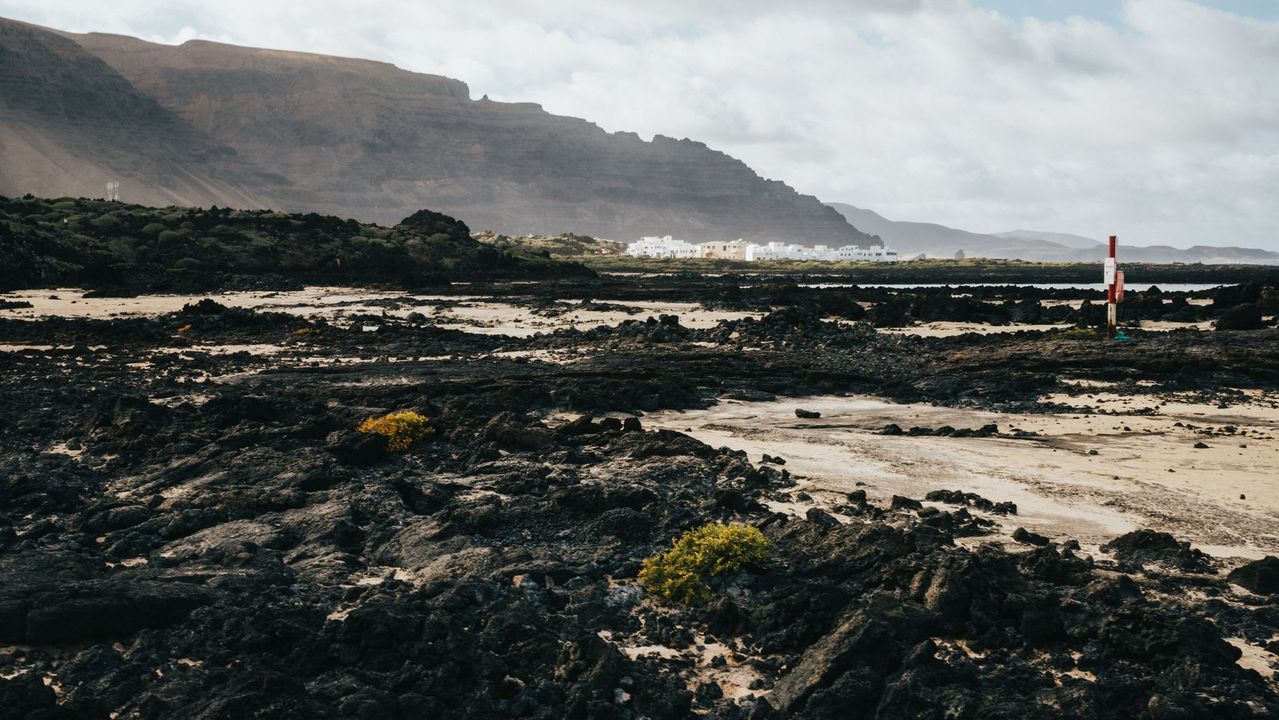
Lanzarote's lava landscape is young. Timanfaya National Park covers 51 km² of lava fields and volcanic cones, most of them formed in 1730–1736, and the last eruption came in 1824. Only the park coach goes into the heart of it, on a road closed to other traffic. Don't leave anything in a parked car there: theft from cars at the park has been a recurring problem. Near Tinajo, the walk to Caldera Blanca crosses lava fields that look barely cooled, then climbs to the unfenced rim of a huge crater. Lanzarote is also César Manrique's island; we cover his work in Lanzarote beyond the beaches.
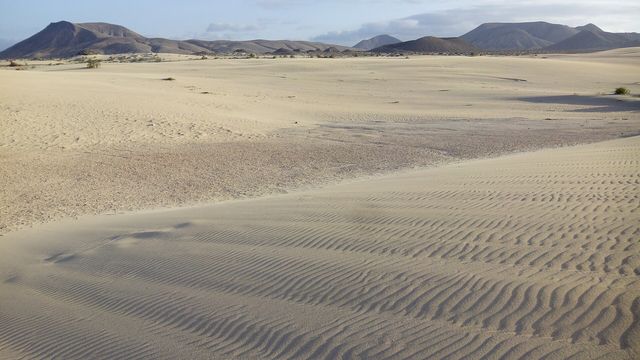
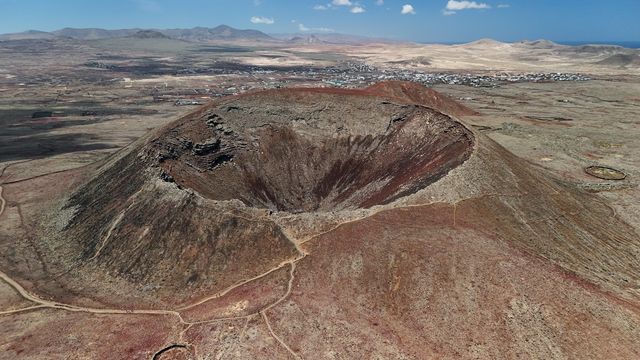
Fuerteventura is the oldest of the islands, with brown volcanic hills, lava fields and open plains. The Corralejo dunes, the largest in the Canary Islands, roll straight down to the Atlantic and are now a natural park. Their sand is made of shells and the skeletons of sea creatures, broken down and heaped up by the wind. Near Lajares, a cobbled path climbs Calderón Hondo, and from the rim you can see Lanzarote across the strait. You can look into the crater but not go down into it.
Lanzarote
Fuerteventura
Old capitals: Betancuria and Teguise
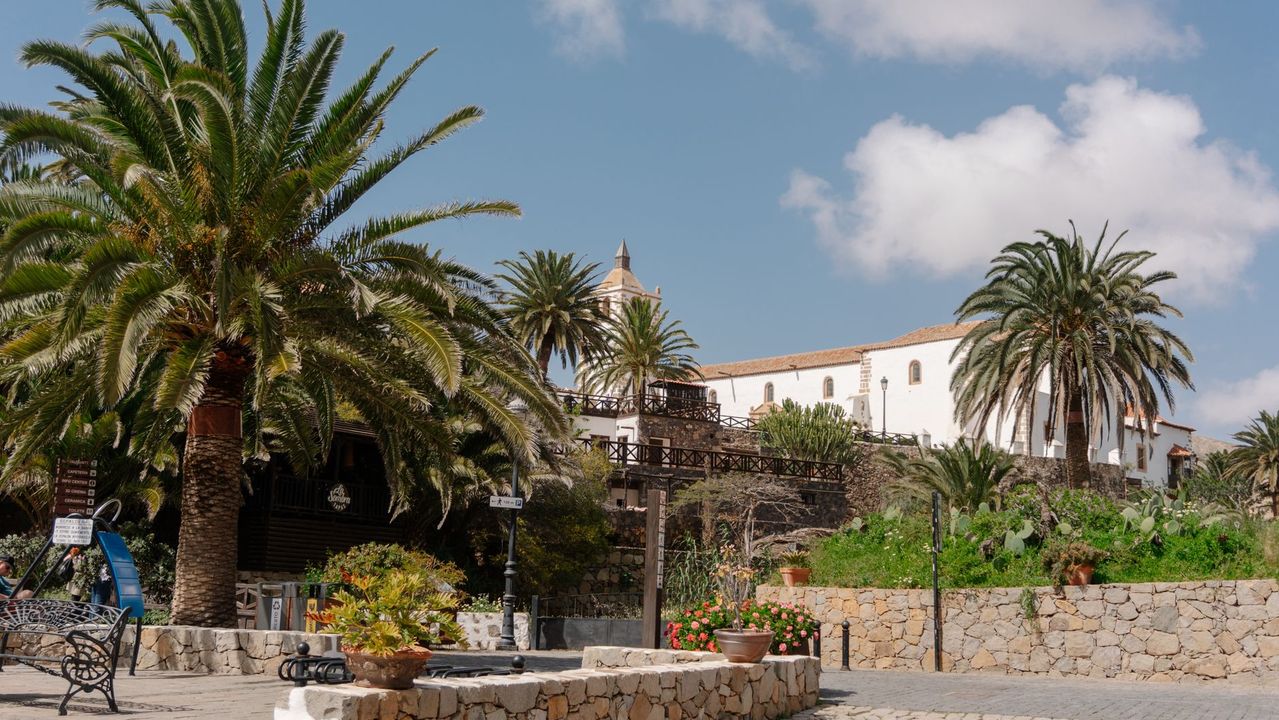
Both old capitals stand inland. Jean de Béthencourt founded Betancuria in 1404, and it stayed the capital of Fuerteventura until 1834, even after pirates razed it in 1593. Teguise was Lanzarote's capital until 1852, and on Sunday mornings its main square fills with craft stalls and crowds of visitors.
Betancuria
The town sits at 395 m in the mountains of western Fuerteventura, with the church of Santa María at its centre. Half a day covers it: the church, the old streets and the ruins of the Franciscan convent. Add the hermitage in Vega de Río Palmas, home of the Virgen de la Peña, the island's patron saint, and the visit fills most of a day.
Teguise
The old town takes half a day: the market square, the streets around it and the windmill by the bus stop. If the market is the reason you're going, arrive on Sunday morning, as it winds down by early afternoon. Buses 7, 9 and 26 take about 30 minutes from Arrecife but run only every hour or two, so a car saves the wait.
Island size and roads
Lanzarote is compact: the drive from one end to the other takes about 40 minutes, and the island has three main roads, the LZ-1, LZ-2 and LZ-3. Intercity Bus Lanzarote runs 30 routes, most of them starting or ending in Arrecife, but no public bus goes through Timanfaya. Even in your own car you can drive only as far as the park's main building, about 2 km past the gate; beyond that point, the road through the lava is reserved for the park coach.
Fuerteventura is 100 km long, and the FV-1 and FV-2 run its length from Corralejo to Morro Jable. Buses link Puerto del Rosario and the airport with Corralejo, Caleta de Fuste, Morro Jable and El Cotillo, but for the empty beaches you need a car or an organised tour.
Some places are at the end of dirt roads. The road over the pass to Cofete is gravel and dirt, but it is well graded and a standard car manages it. The road to the car park near Calderón Hondo is very bumpy, and an SUV is recommended. On Lanzarote, the dirt track to Playa Mujeres is rough and a car with higher clearance copes better. The track runs through a protected area, and there is a charge per car to enter it. A hire car is the easiest way to get around both islands.
How many days, and can you do both?
On Lanzarote, four or five days with a car covers the main sights, and a week leaves room for beach days and a ferry crossing. Fuerteventura takes longer: seven to ten days suits a beach holiday with a few day trips by car. With four or five days, pick one end of the island: Corralejo, with the islet of Lobos just offshore and the dunes within easy reach, or the long beaches of Jandía. Either way, give one day to the interior and Betancuria.
You can do both. Ferries cross between Corralejo and Playa Blanca several times a day and take 25–35 minutes. Three companies run the route: Fred. Olsen Express, Baleària Canarias and Líneas Romero. The first two also take cars (checked in October 2026). Travel between the islands is expensive, though, so with a week or less one island is the simpler plan.
So which one?
It mostly comes down to time and to what you want to see. With four or five days, Lanzarote is the easier fit: that is enough for its main sights, and nothing is far from a single base. With a week or more, Fuerteventura makes more sense, since its beaches are spread along an island 100 km long, and getting between them takes time. If you want both lava and long beaches, stay on one island and take the ferry across for a day.
Weather won't separate the two, so let trip length and landscape decide. The ferry from Corralejo to Playa Blanca takes about half an hour, and choosing one island still leaves room for a day on the other.
FAQ
Where is the water calmer for swimming?
On Fuerteventura, at the sheltered south-east beaches of Sotavento, between Costa Calma and Morro Jable, and at the lagoon beaches just north of El Cotillo; the north and west coasts get heavy surf. On Lanzarote, at Papagayo, where the cliffs around the cove keep the sea calm, and in the lagoons of Caletón Blanco on the northern tip, sheltered by lava reefs. The lagoon floor there is volcanic and uneven, so water shoes make getting in much easier.Which is warmer in October and November?
Lanzarote by day, but only just: in October its airport averages 26.7 °C against 26.1 °C on Fuerteventura, and in November 24.2 °C against 24.0 °C. At night Fuerteventura is about half a degree warmer. The sea is the same around both, about 23 °C in October and 22 °C in November.Can you manage without a car?
In the towns and resorts, yes. On Lanzarote, buses run from Arrecife to the towns and villages, but no public bus goes through Timanfaya, so for the park you need a tour or your own wheels. On Fuerteventura, buses link the towns and resorts, but to reach the empty beaches you need a car or a tour.