Mallorca, Menorca or Ibiza: which Balearic island to choose
8 min read3 destinations
Balearic Islands · Spain
Choose Mallorca for mountains, Palma and plenty to do, Menorca for coves you reach on foot and a quieter pace, and Ibiza for clubs, sunsets and a walled old town. All three are under an hour's flight from Barcelona, Valencia or Madrid, and ferries link them. For each island we cover who it suits, how many days it needs, how to get around and when to go, plus four places to see.
In short: which island for whom
- Mountains and towns: Mallorca, with the Serra de Tramuntana and Palma.
- Quiet, and coves you walk to: Menorca, the least crowded of the three, with a waymarked path right round its coast.
- Nightlife and sunsets: Ibiza, for its clubs and the evening view of Es Vedrà from Cala d'Hort.
- Without a car: Mallorca, where trains as well as buses run out of Palma.
- A long weekend: Palma and one stretch of Mallorca's coast, or Menorca's main beaches and towns; three or four days covers either.
Which island is warmer in spring and autumn?
There's little in it. These are 1981–2010 averages from AEMET, Spain's weather service, for the three airports, given as daytime high / night-time low:
- May: Palma 23.7 / 11.3 °C, Ibiza 22.7 / 14.6 °C, Menorca 21.6 / 13.9 °C.
- October: Ibiza 24.0 / 16.5 °C, Palma 23.9 / 13.1 °C, Menorca 22.7 / 16.1 °C.
Ibiza has the mildest nights and Mallorca the coolest. Menorca runs a degree or two cooler by day and is the wettest in October, with 78 mm of rain against about 60 mm on the other two. Around all three, the sea is about 18–19 °C in May and 23 °C in October.
Mallorca: mountains, Palma and an old train
Mallorca
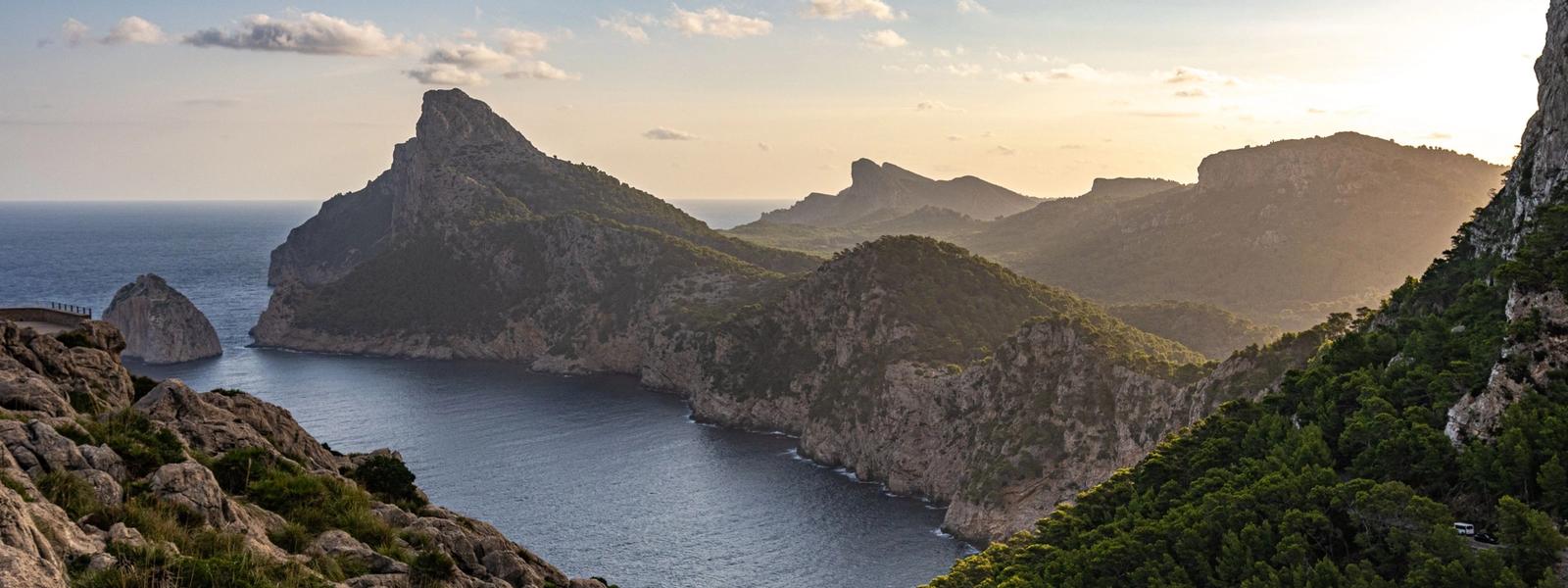
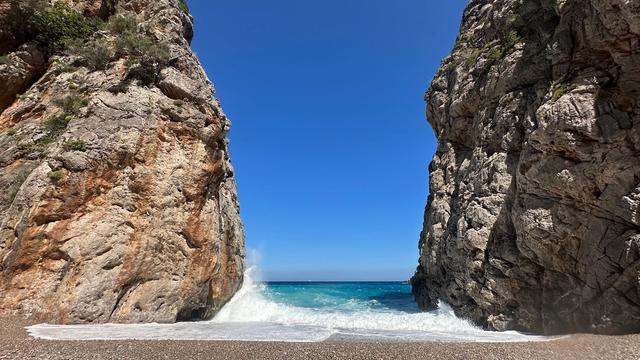
Best for: mountains, towns and plenty to do. Mallorca is the largest of the Balearic Islands and draws over 13 million visitors a year. The Serra de Tramuntana runs along the north-west coast, most resorts are along the south and east coasts and around Palma, and the interior is farmland. The island is well set up for visitors, with no shortage of places to stay and eat.
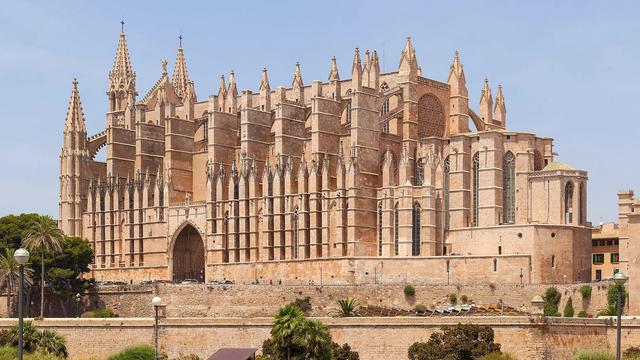
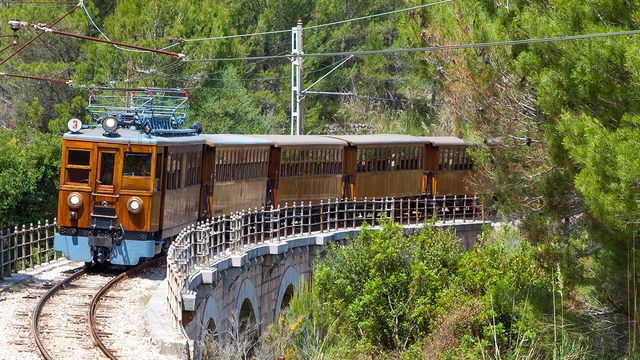
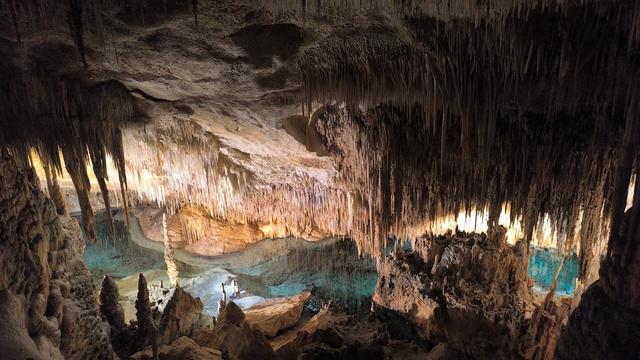
Pick Mallorca for a first trip, for a city and beaches in the same stay, and for mountain walks and drives. The Serra de Tramuntana has been on the UNESCO World Heritage list as a cultural landscape since 2011; we cover it in seven places in Mallorca's mountains, and the island's best-known sights in the best places in Mallorca. In Palma, morning light through the cathedral's rose window fills the nave with colour; a wooden train climbs through 13 tunnels to Sóller; and at the Drach Caves musicians play from boats on an underground lake. Mallorca is a poor fit if you want empty beaches in summer: from April to August the beaches and sights are packed. Winter is quieter, but from November to March many businesses close; see Mallorca in winter.
How many days: three or four for Palma and one stretch of coast, seven to ten for a full circuit of the island.
Getting around: toll-free roads fan out from Palma, and the furthest point is only about 55 km away. TIB buses run hourly from Palma to the main towns. Trains leave Palma every 20 minutes, and at Inca the line divides, with one branch to Sa Pobla and one to Manacor.
What to see in Mallorca
Things to do in Balearic Islands
Paid links: booking through them supports YowJourney.
Menorca: coves on foot and prehistoric monuments
Menorca
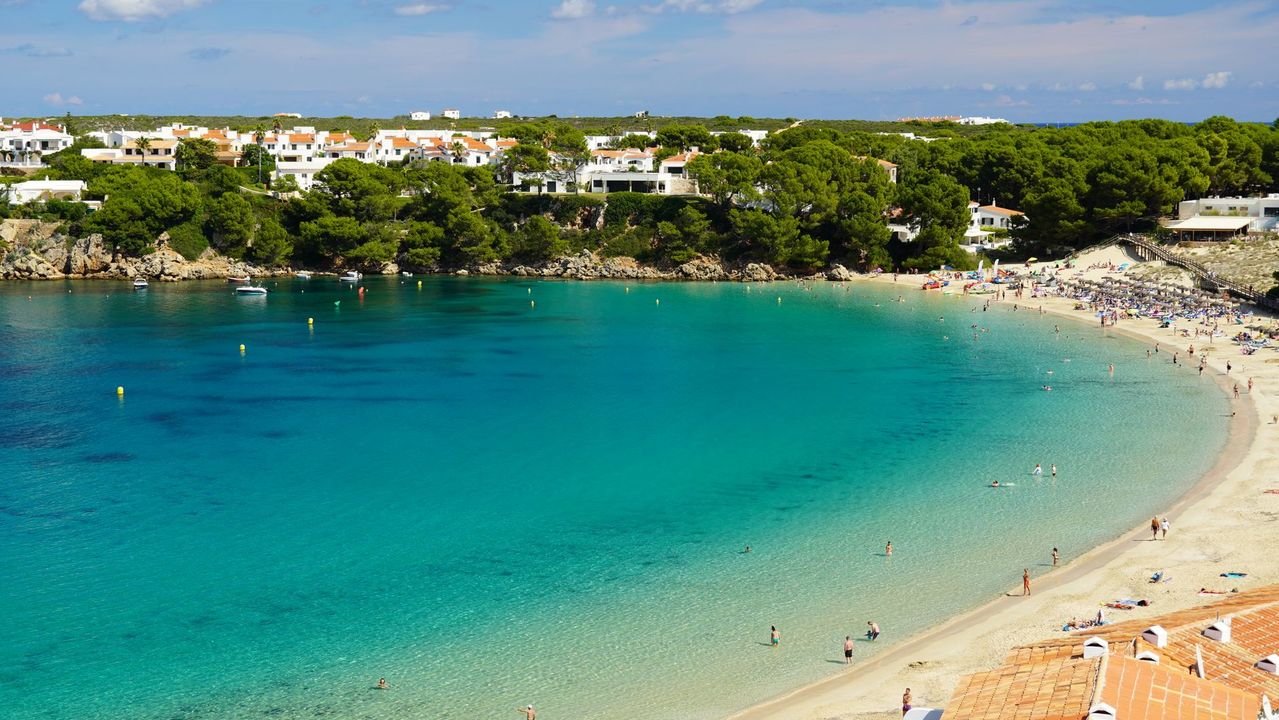
Best for: coves you walk to, prehistoric sites and a slower pace. Menorca is about 48 km long and 16 km wide, is home to around 100,000 people and is quieter than Mallorca and Ibiza. The capital, Mahón, stands on a deep natural harbour at the eastern end, and Ciutadella is at the western end. The whole island has been a UNESCO Biosphere Reserve since 1993.
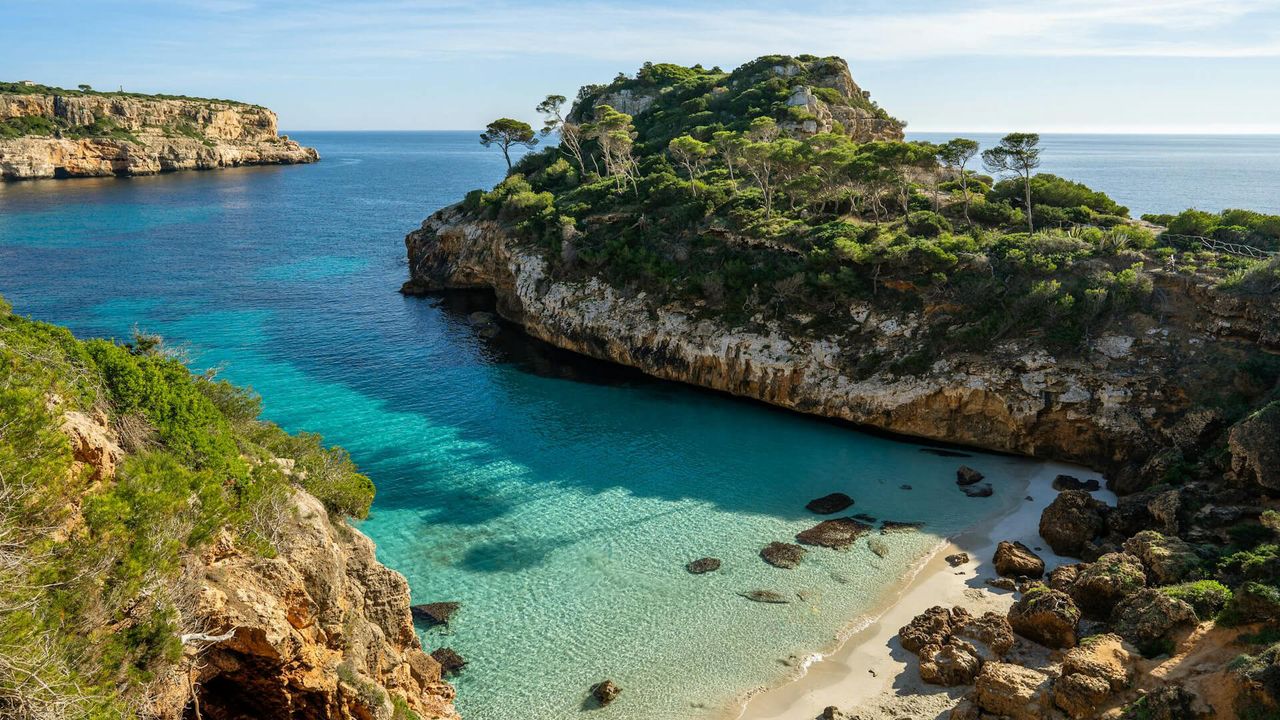
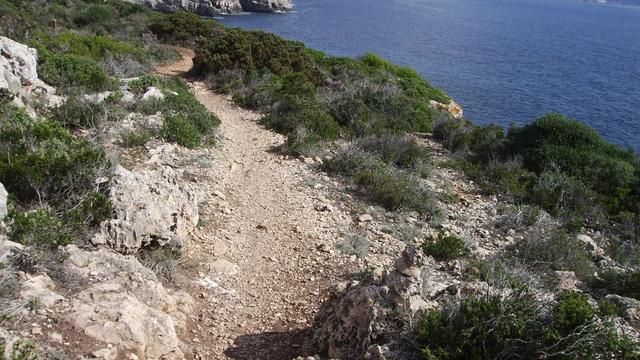
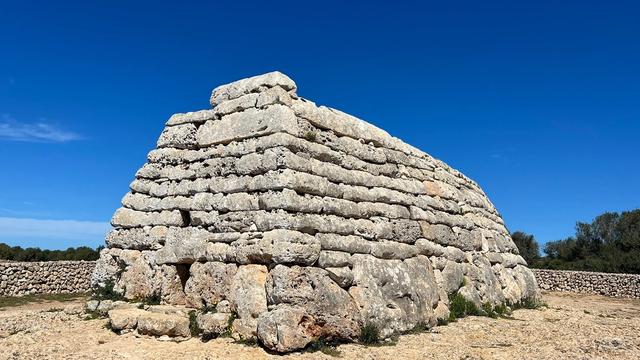
Pick Menorca if you'd rather walk to a beach than drive to one, and if prehistoric sites interest you. The Camí de Cavalls, a waymarked path, runs right round the coast and is one of the best ways to reach the more distant beaches. In summer you can't drive down to Cala Macarella, one of the best-known coves: come by bus, or from Cala Galdana by boat or along the coast path (a 30- to 40-minute walk). Stone towers called talayots, T-shaped taulas and tombs shaped like upturned boats are scattered across the island. Since 2023, nine sites have been listed together as the World Heritage Site of Talayotic Menorca. We cover the beaches in Menorca's coves and the monuments in Talayotic Menorca. If you're after clubs, Menorca isn't the one: that's Ibiza. From May to October, especially in July and August, the best-known coves are crowded; from November to April some businesses cut their hours or close.
How many days: three or four for the main beaches and towns; five to seven to add prehistoric sites, inland villages and quieter coves; ten to walk the whole Camí de Cavalls.
Getting around: the ME-1 road links Mahón and Ciutadella, and every other route branches off it. TMSA buses run hourly between the two towns for €4–5, and other companies serve the west coast and the north.
What to see in Menorca

Ibiza: an old town, sunsets and clubs
Ibiza
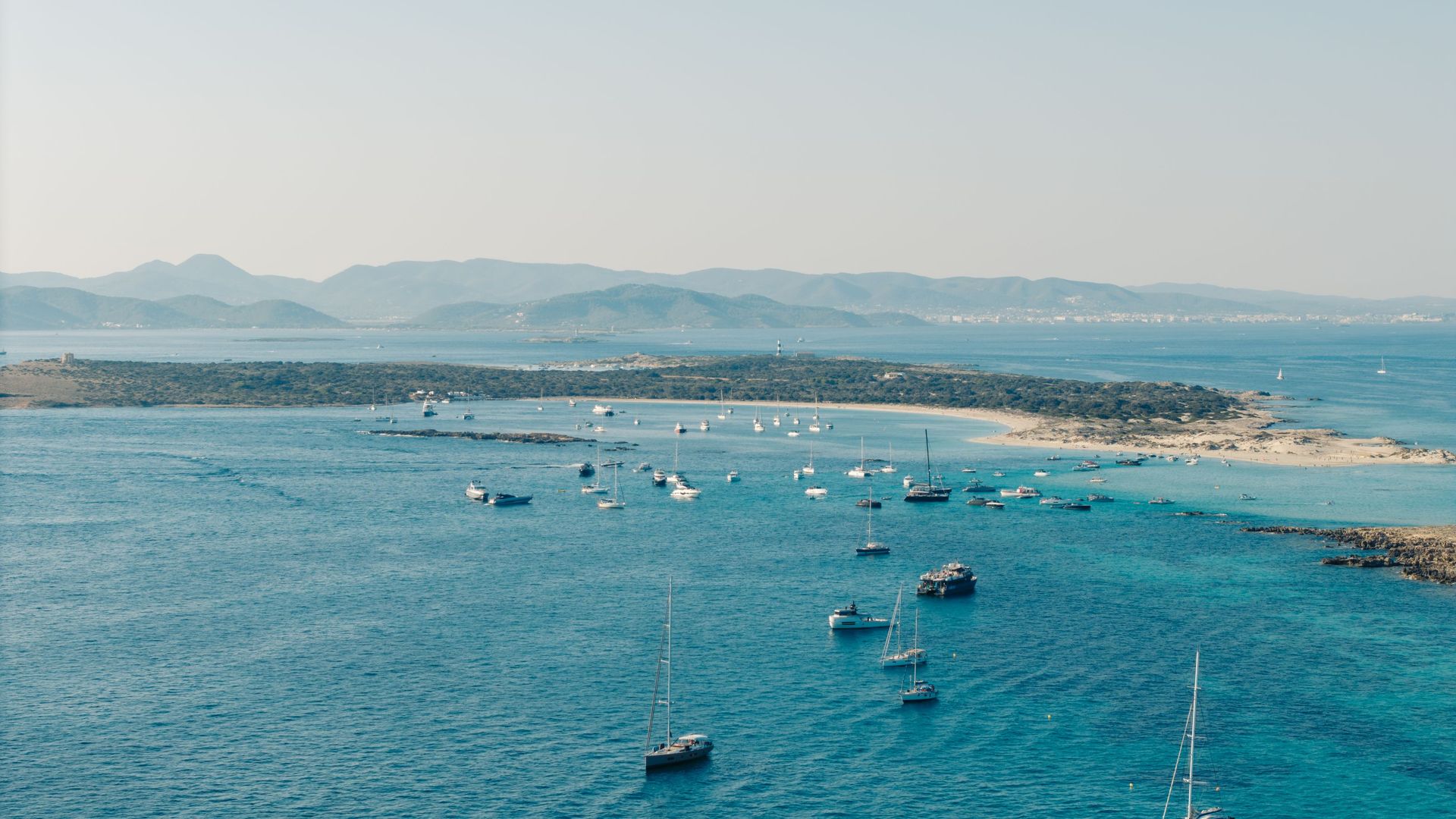
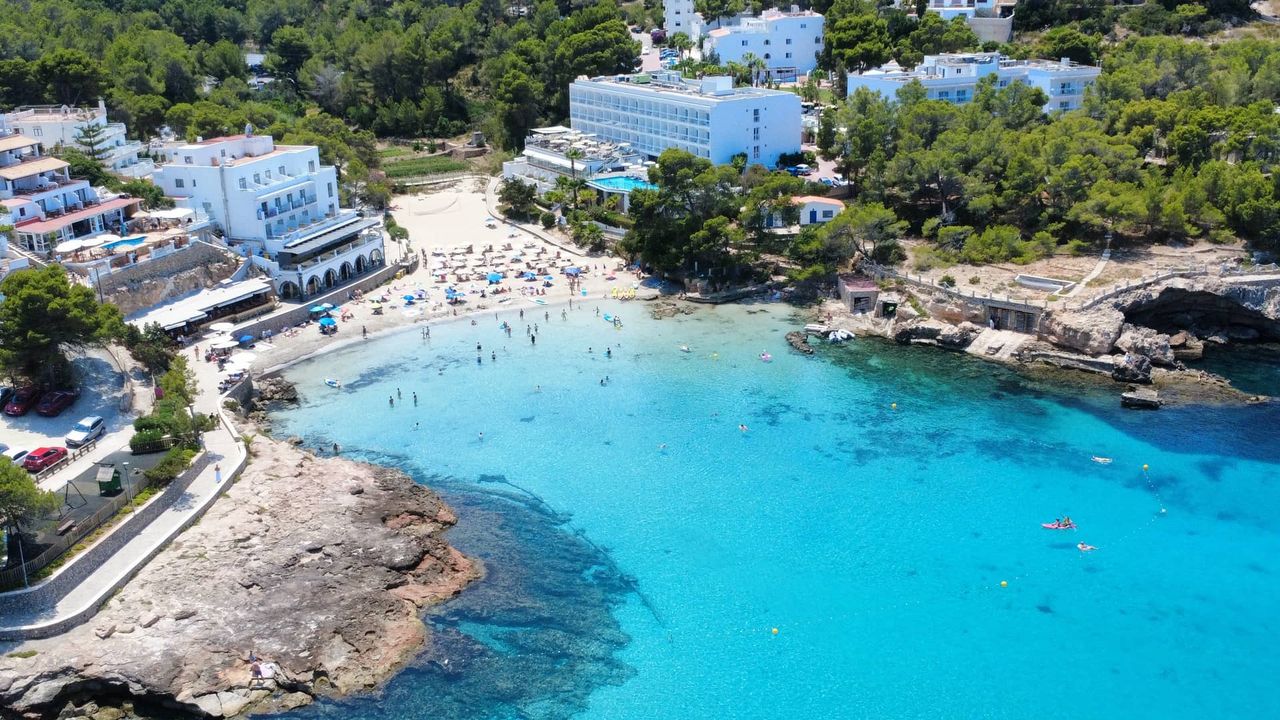
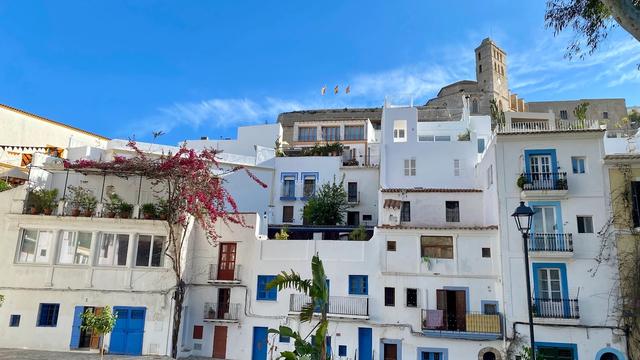
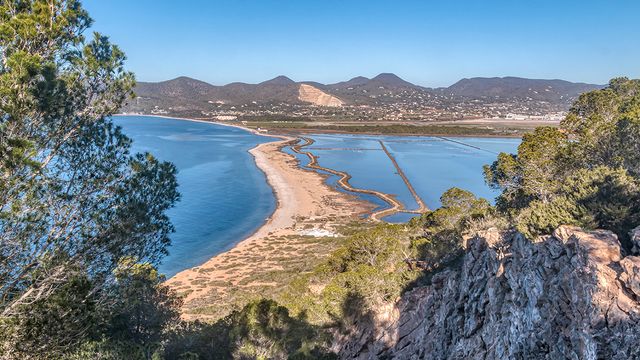
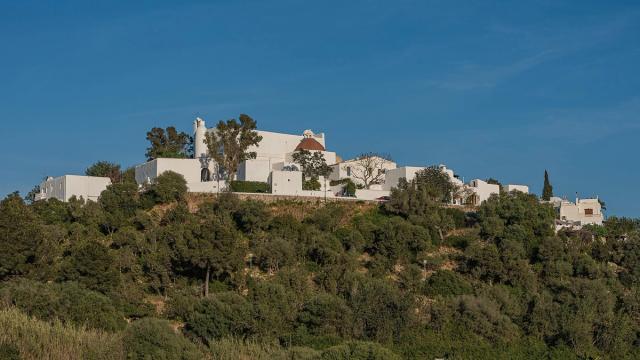
Best for: nightlife, sunsets and a walled old town. Ibiza lies about 150 km from Valencia, and its clubs draw DJs from around the world. Away from the clubs, the island is flat and green, with pine woods and almond groves inland and a coast of rocky inlets and sandy beaches. Dalt Vila, the walled upper town of Ibiza Town, has been on the UNESCO World Heritage list since 1999, together with the seagrass meadows offshore.
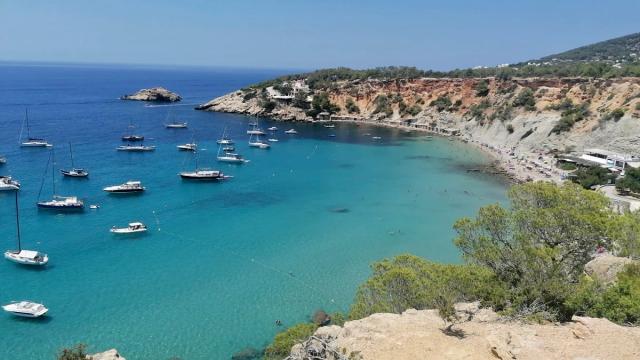
Pick Ibiza for clubs, for evenings watching the sun go down, and for a day trip to Formentera. Amnesia, Pacha, Privilege and the other big clubs run weekly nights with resident DJs, and entry usually costs €30–80. On the west coast, Cala d'Hort looks across the water to the rocky islet of Es Vedrà, and most people stay on for the sunset. We cover the island's quieter side in Ibiza beyond the clubs. Skip Ibiza if it's mountains you want; Mallorca is the island for those. The season runs from May to September. October and November are mild and far less crowded, and from December to April many seasonal businesses close and there are fewer ferries and flights.
How many days: five to seven for the clubs, beaches and main towns; ten to add quieter villages, protected areas and Formentera.
Getting around: from the airport, bus 10 runs to Ibiza Town (where most island routes start), bus 9 to Sant Antoni and bus 24 to the eastern resorts. Hiring a car is straightforward, but book ahead for July and August.
What to see in Ibiza
How to choose
- A first trip, or a city and beaches in one stay: Mallorca, the biggest island, with Palma as well as the beaches.
- Mountain walks and drives: Mallorca's Serra de Tramuntana.
- Coves you walk to, and fewer people: Menorca.
- Prehistoric sites: Menorca.
- Clubs and sunsets: Ibiza.
- No car: Mallorca, with trains and hourly buses from Palma.
Ferries link the islands, so you can add a second one. The crossing from Ibiza to Palma takes about three and a half hours with Trasmed; between Mallorca and Menorca, ferries sail from Alcúdia in Mallorca's north to Ciutadella; and Formentera is half an hour from Ibiza.
Climate figures are AEMET's 1981–2010 averages for the airports of Palma, Menorca and Ibiza. Sea temperatures come from temperaturadomar.pt and ferry details from the websites of the operators and the Balearic port authority; we checked both sets of figures in October 2026. Places and practical details come from our catalogue.
If mountains and Palma draw you, go to Mallorca; if you want to walk to quiet coves, Menorca; if it's clubs and sunsets, Ibiza. A week is enough for one island at an easy pace, or for two, such as Mallorca and Menorca, if you keep moving.
FAQ
Can you visit two Balearic islands in a week?
Yes, at a brisk pace: three or four days each on Mallorca and Menorca, for example. Ibiza is harder to combine with another island, as it needs five to seven days on its own for the main sights. About 150 ferry sailings a week connect Mallorca with the other islands and the mainland. Ibiza to Palma takes about three and a half hours; between Mallorca and Menorca, ferries sail from Alcúdia to Ciutadella. To see all four main islands, Formentera included, allow two weeks.How many days do you need on each island?
On Mallorca, three or four days covers Palma and one stretch of coast, and seven to ten the whole island. Menorca's main beaches and towns take three or four days, or five to seven with the prehistoric sites. Ibiza needs five to seven days for its main sights, and ten with Formentera and the quieter villages.Which of the three islands is the quietest?
Menorca. It's home to around 100,000 people and is less crowded than Mallorca and Ibiza (Mallorca alone gets over 13 million visitors a year). Even on Menorca, July and August are busy, and at the best-known coves it pays to arrive early.How do you get to Formentera?
By ferry from Ibiza. Baleària's crossing from the port of Ibiza Town to La Savina takes about 30 minutes, with almost 30 sailings a day from each port in summer. The port at La Savina is the only way onto the island for passengers. Formentera works well as a day trip from Ibiza.