Northern lights in Iceland: when and where to see them
7 min read7 destinations
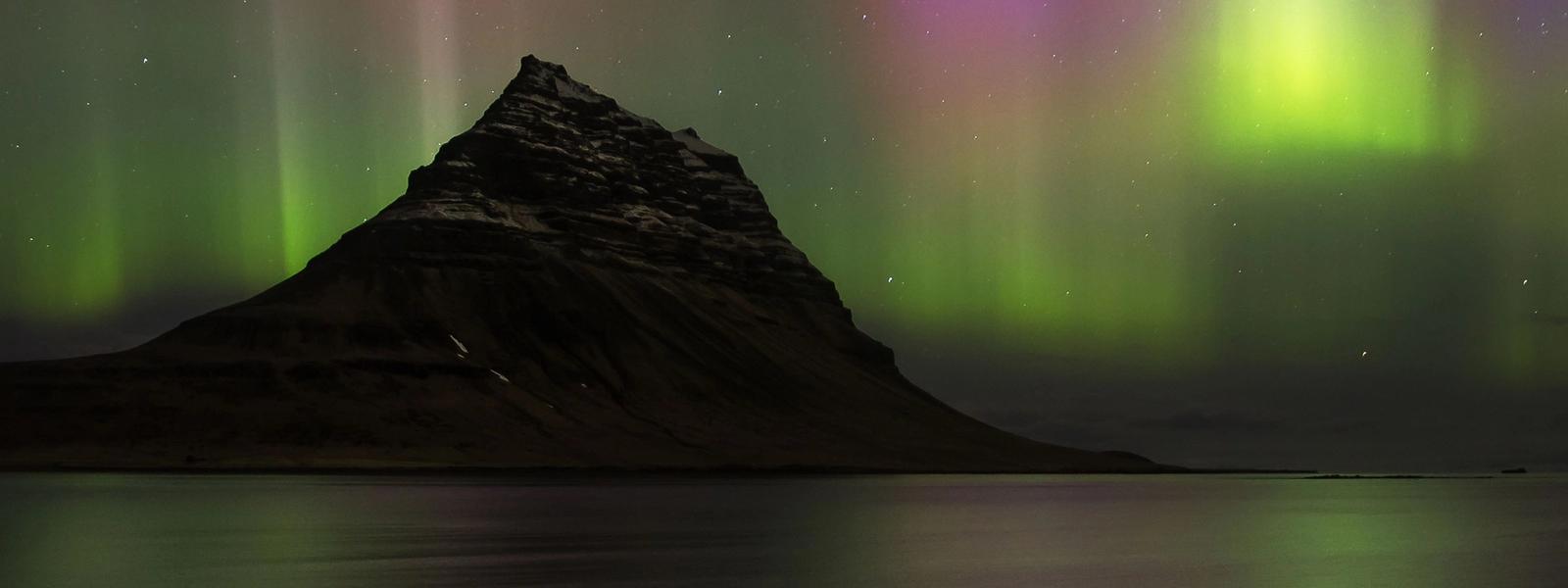
The northern lights are active over Iceland all year round, but you only see them when it's dark, and from May to July the nights are too bright. The season runs from September to April, and in December there are almost 20 hours of darkness a day. Here is when to look, how to read the forecast and where the sky is dark enough, from the edge of Reykjavík to the north and east.
Paid links: booking through them supports YowJourney.
When to look
Three things have to line up: darkness, a sky that's at least partly clear, and solar activity above normal. Visit Iceland gives the main season as September to April; in the north it starts in late August. The lights are said to be most active around the September and March equinoxes, while midwinter gives you the most hours of darkness: on the shortest day the sun is up in Reykjavík for just over four hours. Activity is usually strongest around midnight and for a few hours either side, and the aurora appears on roughly every other clear night. Check the Icelandic Met Office's aurora forecast: a map shows cloud cover a few days ahead, white for clear sky and green for cloud, and a box gives the forecast auroral activity at midnight on a scale of 0 to 9. Even a 2 can be beautiful.
Near Reykjavík
City light drowns out a weak display, so drive at least to the edge of town. Wherever you stop, switch your headlights off: at the old lighthouse at Garður, people waiting in the dark car park are dazzled by anyone who leaves theirs on.
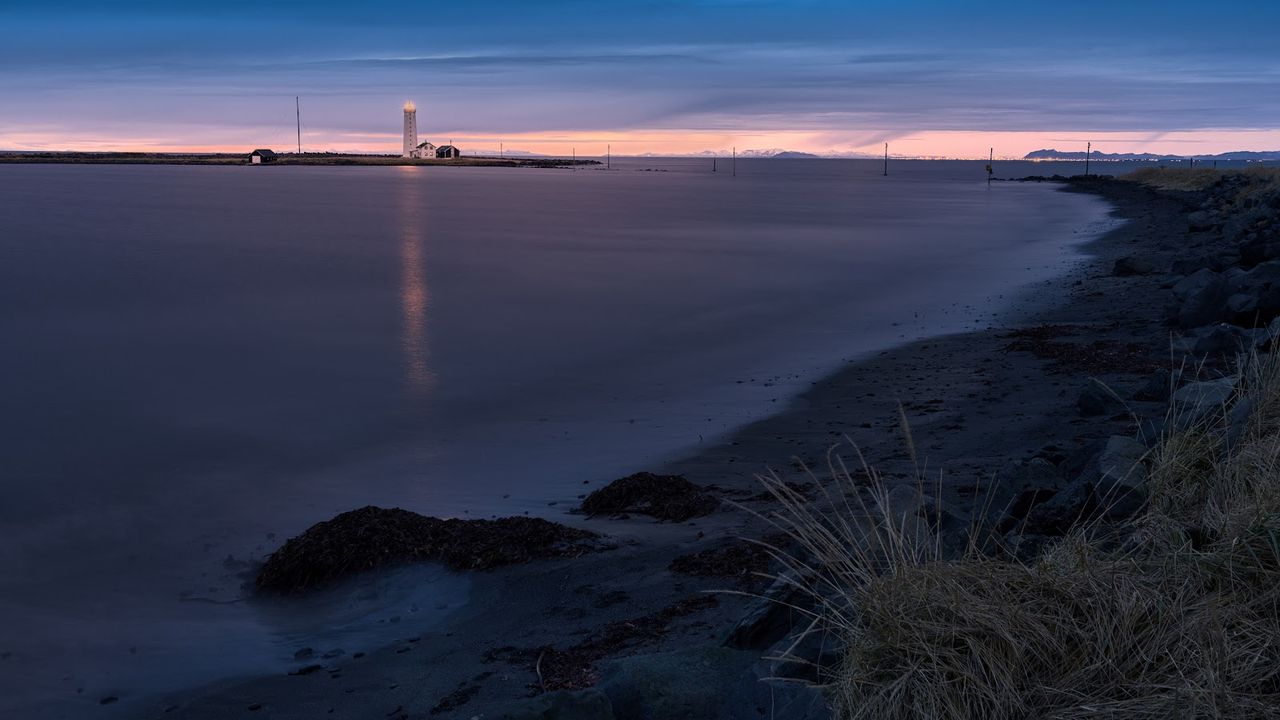
Grotta Island Lighthouse
On the edge of the capital, at Seltjarnarnes, a low sandspit runs out to a lighthouse on an island that the tide cuts off at high water. On dark, clear evenings from autumn to spring, people drive out from the city to watch for the aurora. Walk a few minutes away from the car park before you look up, because the headlights of arriving cars wash out the sky. Important: the spit floods as the tide comes in, and anyone left on the island has to wait hours for the water to go down again, so check the tide times before you cross.
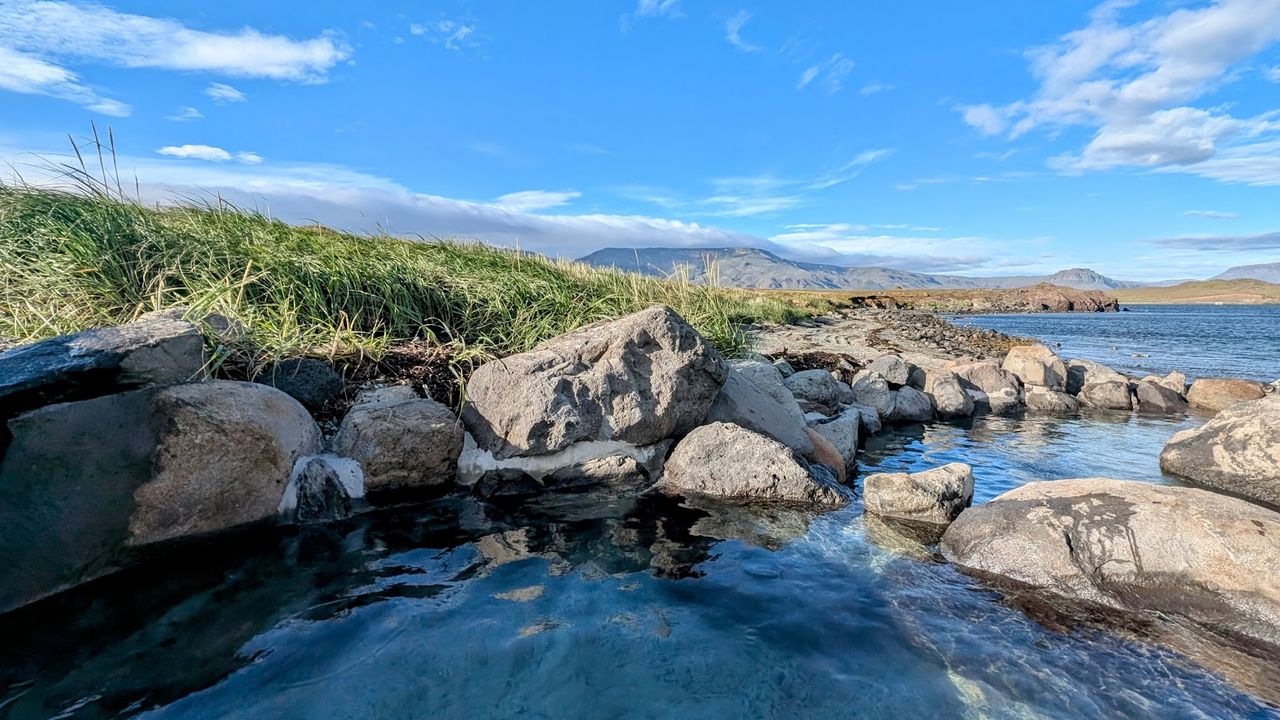
Hvammsvik Hot Springs
Here you watch the sky from a hot pool. The pools step down towards the fjord, hottest at the back and coolest at the shore, and the last step is the sea itself. A clear winter evening is the time to come: the pools face the open fjord and the sky above it is dark. There's no bus, so you'll need a car. The site is open 10:30–20:30 and isn't suitable for children.
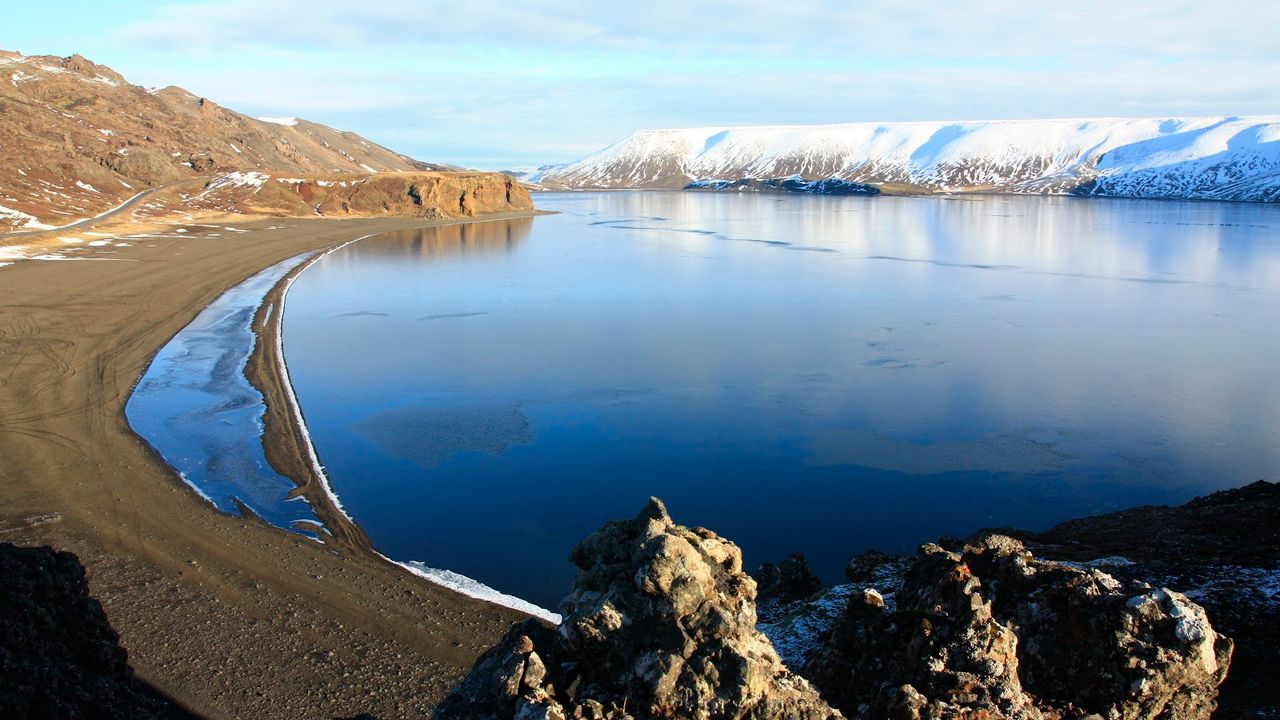
Lake Kleifarvatn
No river runs into Kleifarvatn and none runs out, and mountains rise on the far shore. The area around the lake is dark at night, which has made it a popular place to wait for the aurora. You need a car, and the last stretch to the water is a track. Tip: the lakeside road gets icy in winter, so check road.is before you drive out.
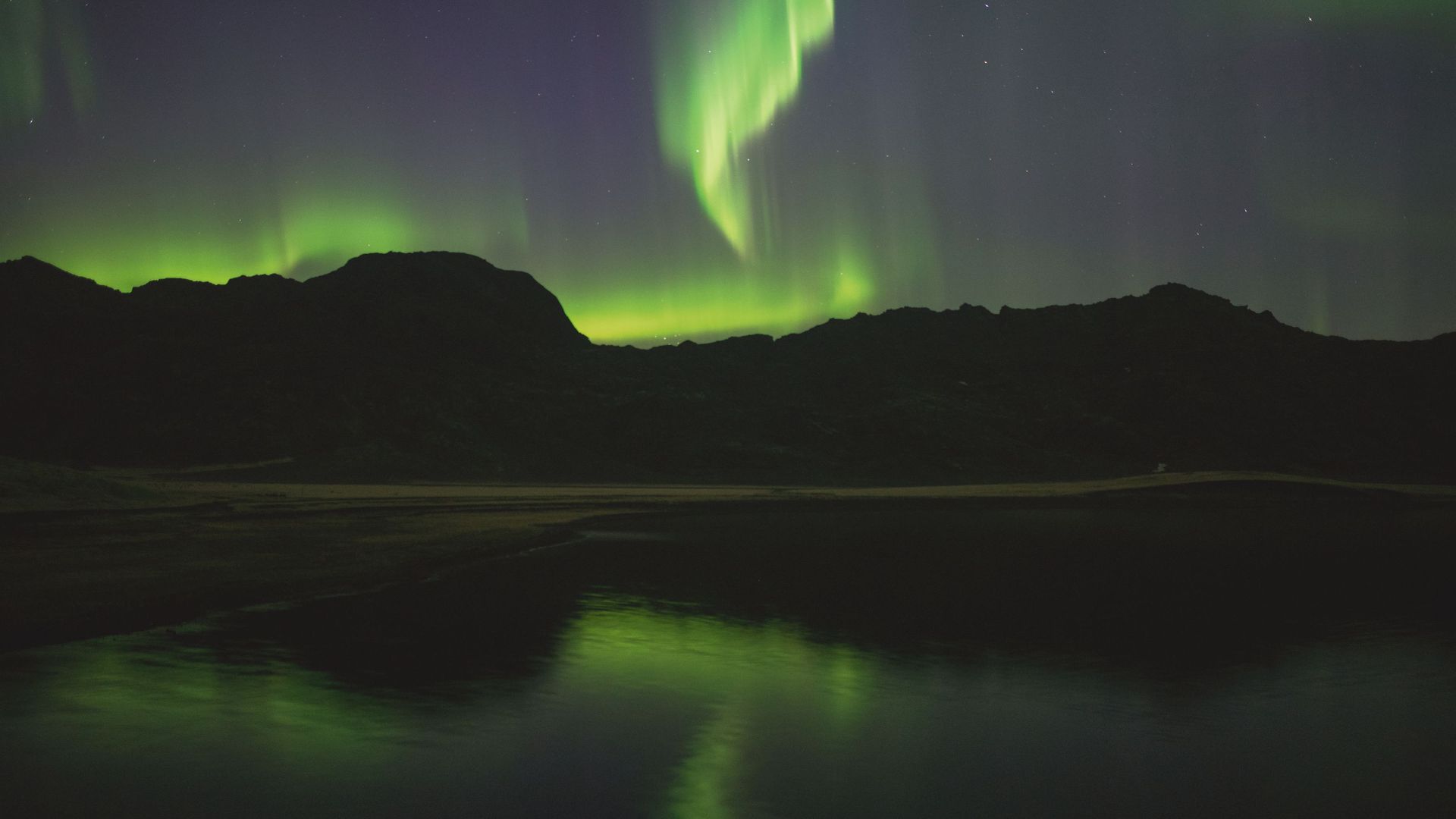
Things to do in Iceland
Paid links: booking through them supports YowJourney.
On the south coast
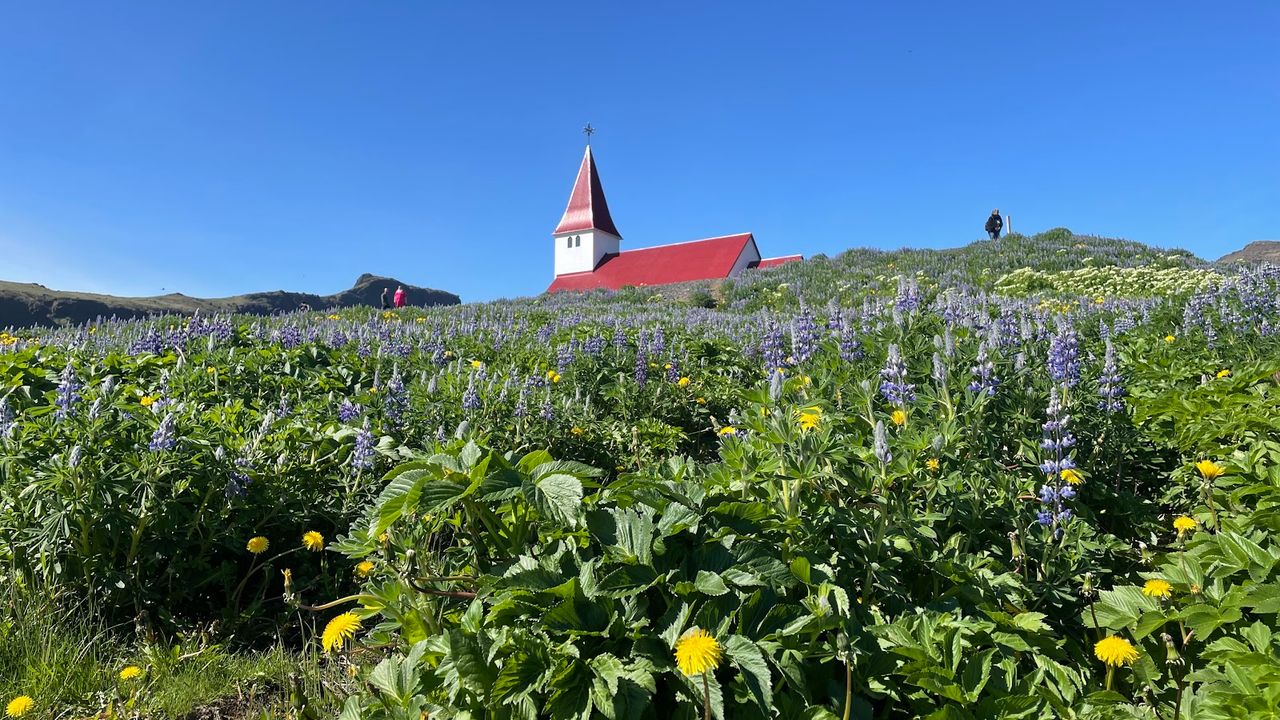
Vik i Myrdal Church
The small church with a red roof stands on a hill above Vík, with the black beach and the Atlantic below. Light pollution over the village is low, and in winter the sky is dark enough to photograph the northern lights from here. The road runs to the top, and the car park is free, though a donation is requested. Vík is the wettest coastal town in Iceland, so check the cloud forecast before you drive up.
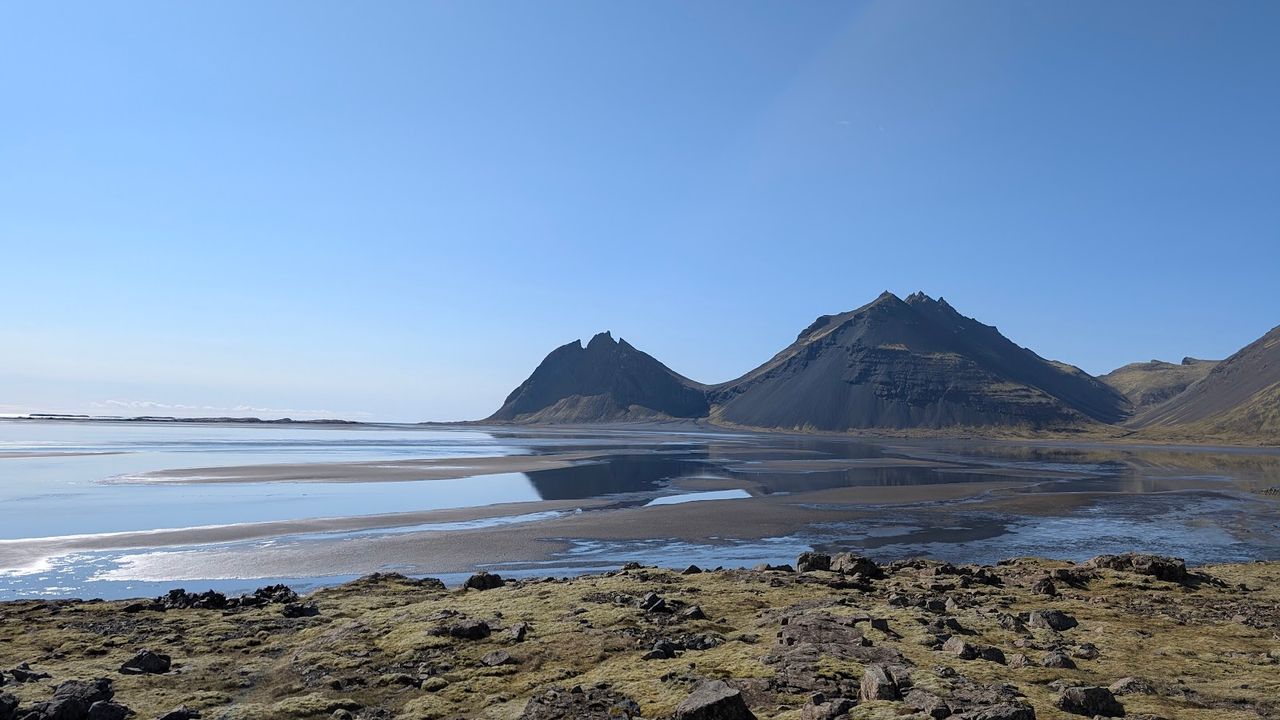
Fjorur
On the Stokksnes headland near Höfn, black dunes tufted with pale grass lie beneath the jagged peaks of Vestrahorn, and on a still day shallow pools behind them mirror the mountain. On clear winter nights this is prime aurora ground. The access road is private, with a small toll at the gate. Tip: check the wind forecast before you go, since this exposed corner can be still one night and brutally gusty another.
In the north and beyond
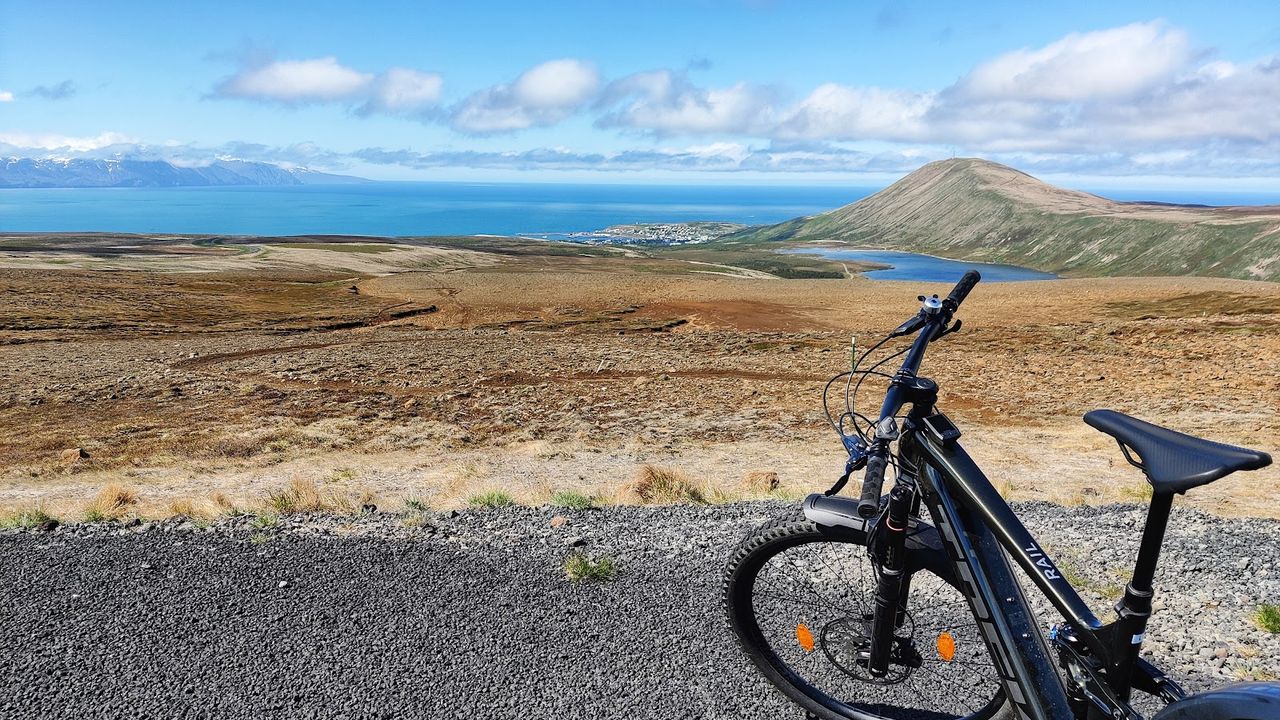
Husavik Panoramic View
A lay-by on high ground above Húsavík looks down on the town, its harbour and Skjálfandi Bay. After dark people come here for the aurora: you're above the town, so its lights sit below you rather than in the sky you're watching. There's no platform and nothing built; you stand by the car and look north-west. Húsavík has midnight sun from 11 to 29 June, so you won't see the aurora then. On 21 December the town gets only 2 hours 45 minutes of daylight. Tip: dress for standing still, which is far colder than walking.
Further from Reykjavík, people also watch for the aurora at the Hólmanes reserve between two eastern fjords, on the Búðará trail, at the Hellulaug hot spring by the sea and at Kirkjufellsfoss on Snæfellsnes. On the Búðará trail, walk up in daylight: the last stretch is steep. Kirkjufellsfoss is a stop on our two-day Snæfellsnes route.
If the sky is cloudy
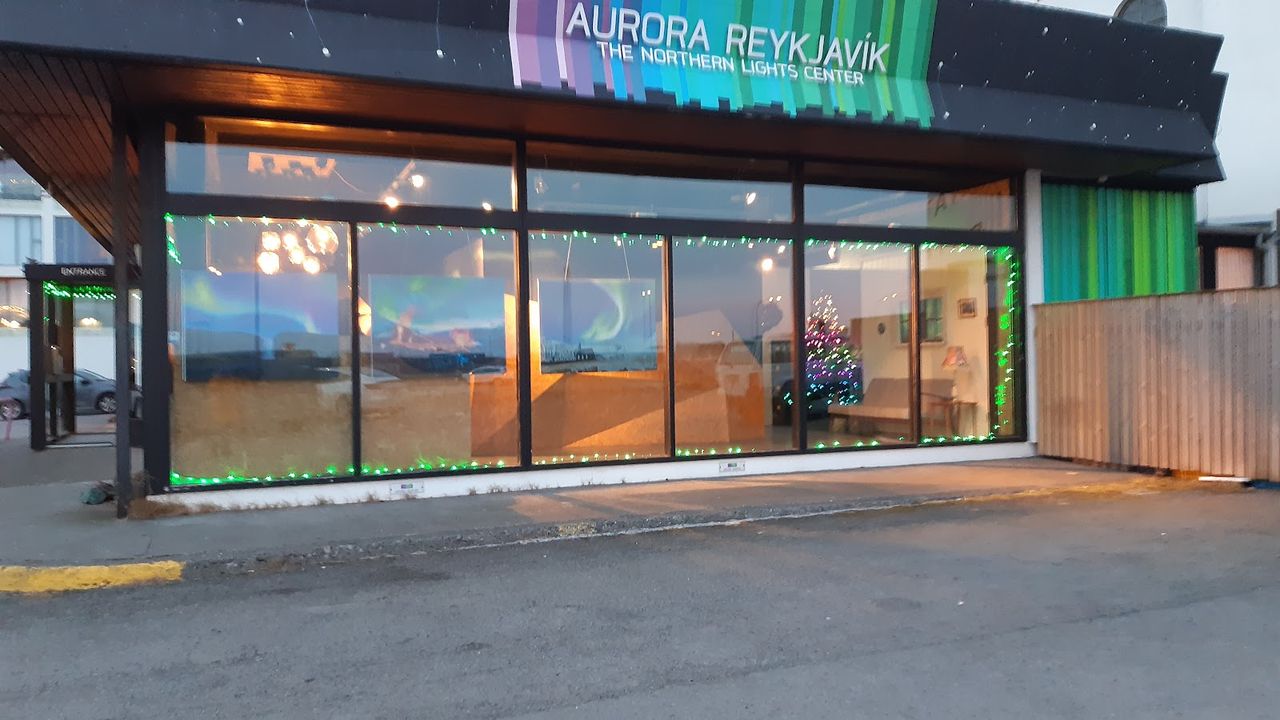
Aurora Reykjavík — The Northern Lights Center
Aurora Reykjavík shows big-screen footage of the northern lights from all over Iceland, then explains the physics, the folklore and how to set up your camera for the lights. Staff at the desk follow the forecast and can tell you what the sky is doing. Go early in your trip, ideally on a bad-weather day: what you learn there is worth more before your first night out than after it. It's open daily, 10:00–19:00.
Perlan, open until 21:00, has Áróra, a planetarium show about the northern lights, alongside its ice cave and exhibitions.
Getting around and where to stay
A car gives you the most freedom to chase clear skies, but in winter plan fewer kilometres a day than the map suggests, as some roads close without notice. Without a car, you can join a tour from Reykjavík after dark, such as this small-group northern lights tour of about four hours. If you stay in the capital, head for the edge of town on clear nights; if you'd rather be based outside it, a small town such as Vík or Höfn on the south coast, or Húsavík in the north, puts you close to dark skies. Our guide to Iceland in winter covers driving and the short days.
Places come from our catalogue pages; the season, the forecast and daylight hours come from Visit Iceland, the Icelandic Met Office and the University of Iceland almanac, checked in October 2026.
Plan for September to April, check the cloud map on vedur.is before each night out, and give yourself several nights, as clear skies are never guaranteed. Near Reykjavík go to Grótta or Kleifarvatn; further out, try Vík, Fjörur or the hill above Húsavík.
FAQ
Can you see the northern lights from Reykjavík?
Sometimes. Between September and April you can catch them on a dark, clear night with enough activity, though city light drowns out weaker displays. One place people go is Grótta, on the edge of town at Seltjarnarnes; its lighthouse stands on a tidal island, so if you cross the spit, check the tide first.Do you need a tour?
No. With a car and a clear night you can drive to a dark spot yourself and follow the forecast on vedur.is. A tour helps if you'd rather not drive winter roads at night.What if it's cloudy?
Look at the cloud map for gaps elsewhere, since the aurora needs only a partly clear sky. If the whole island is under cloud, spend the day at Aurora Reykjavík or the evening at Perlan's planetarium, and try again the next night.Can you see the northern lights in summer?
Not in May, June or July: the sky is too bright, and in Húsavík, in the north, the midnight sun lasts from 11 to 29 June. The season returns in late August in the north and in September elsewhere.