Beaches in Tenerife: black sand, pale sand and calm water
9 min read12 destinations
Canary Islands · Spain
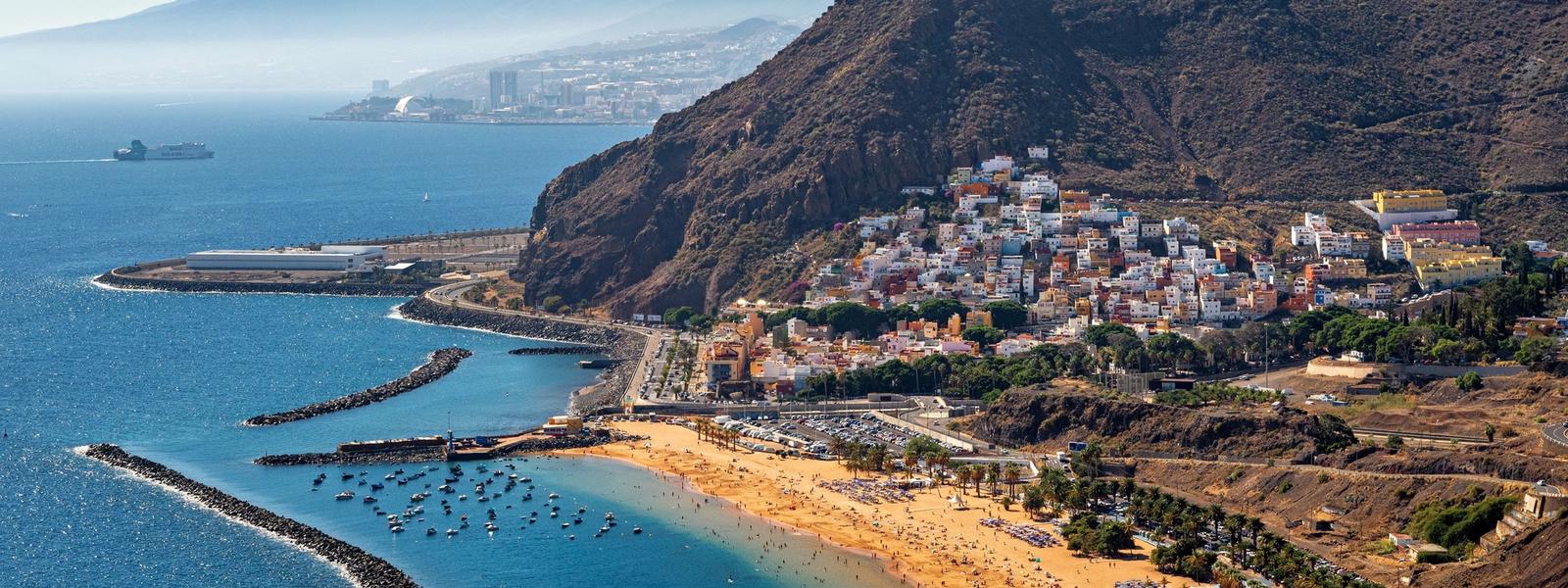
Most of Tenerife's beaches are black volcanic sand or stone, and the pale sand at Las Teresitas and Las Vistas was shipped in. The calmest water lies behind a breakwater, while the open north coast takes the Atlantic swell, heaviest in winter. The twelve beaches below are grouped by what you're after: pale sand and calm water, black sand and waves, coves you walk to, and wind for boards.
In short
- Calm water: Las Teresitas, behind a kilometre-long breakwater; it stays shallow a long way out, which suits small children.
- Black sand: Benijo, under the Anaga mountains, and La Arena, within sight of the Los Gigantes cliffs.
- Lifeguards: Las Vistas, La Arena and Abama.
- Without a car: Las Teresitas is 15 minutes by bus from Santa Cruz; La Arena, El Médano and Del Duque are a short walk from a bus stop.
Pale sand and calm water
At Las Teresitas the sand came from the Sahara, and at Las Vistas the imported sand is cleaned every day. Las Vistas and Del Duque, in the south and south-west, face the open ocean, so calm is relative there; for the stillest water, go north-east to Las Teresitas.
Las Teresitas Beach
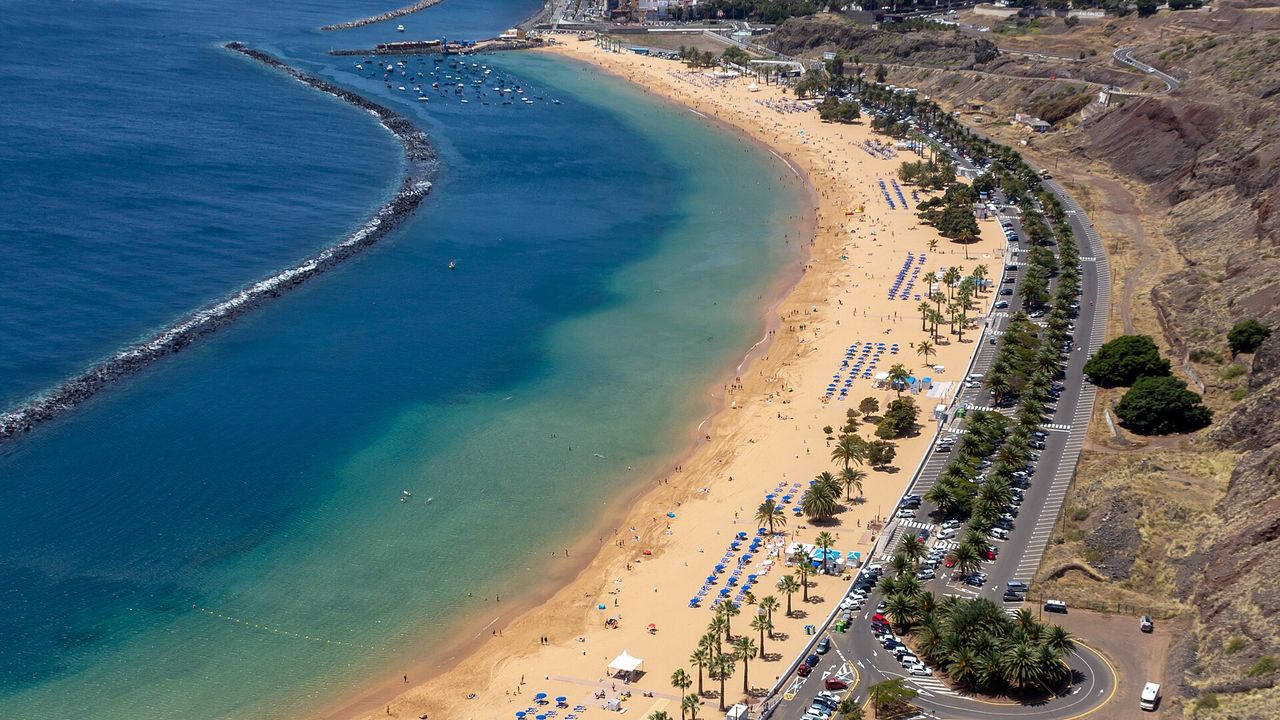
Best for: small children and anyone who wants still water. The breakwater 150 m offshore leaves no surf to speak of, and the shallows run a long way out. The sand stretches about 80 m from the palms at the back to the water, and apart from those palms, hired umbrellas are the only shade. There are showers and free toilets but no drinking-water tap, so bring water or buy it at the kiosks.
Del Duque Beach
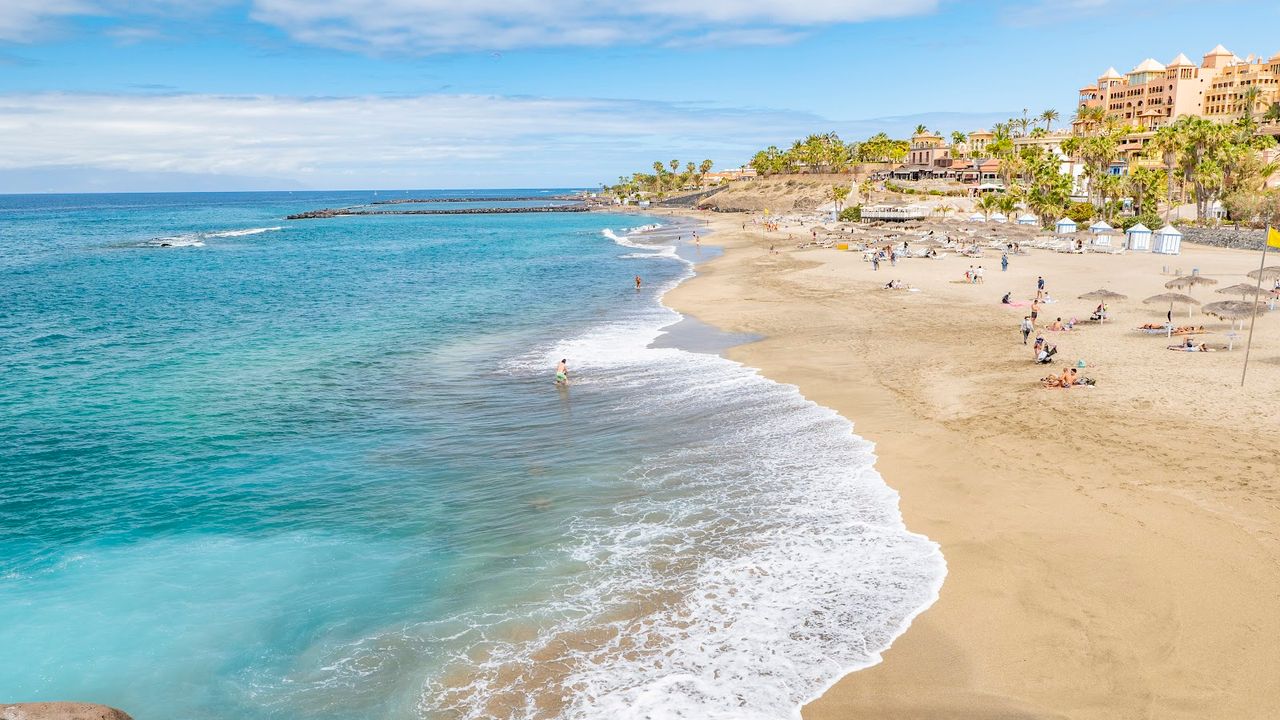
Best for: a long beach day with lunch close by. The sand is golden and soft, and a row of bars and restaurants runs right behind it. The sea has some life in it. When it's moderate, the waves are half the fun; when the swell builds, the red flag goes up and swimming stops, sometimes for the whole day. Tip: the public toilets nearby charge a fee, and the only shade on the sand comes from hired umbrellas.
Las Vistas Beach
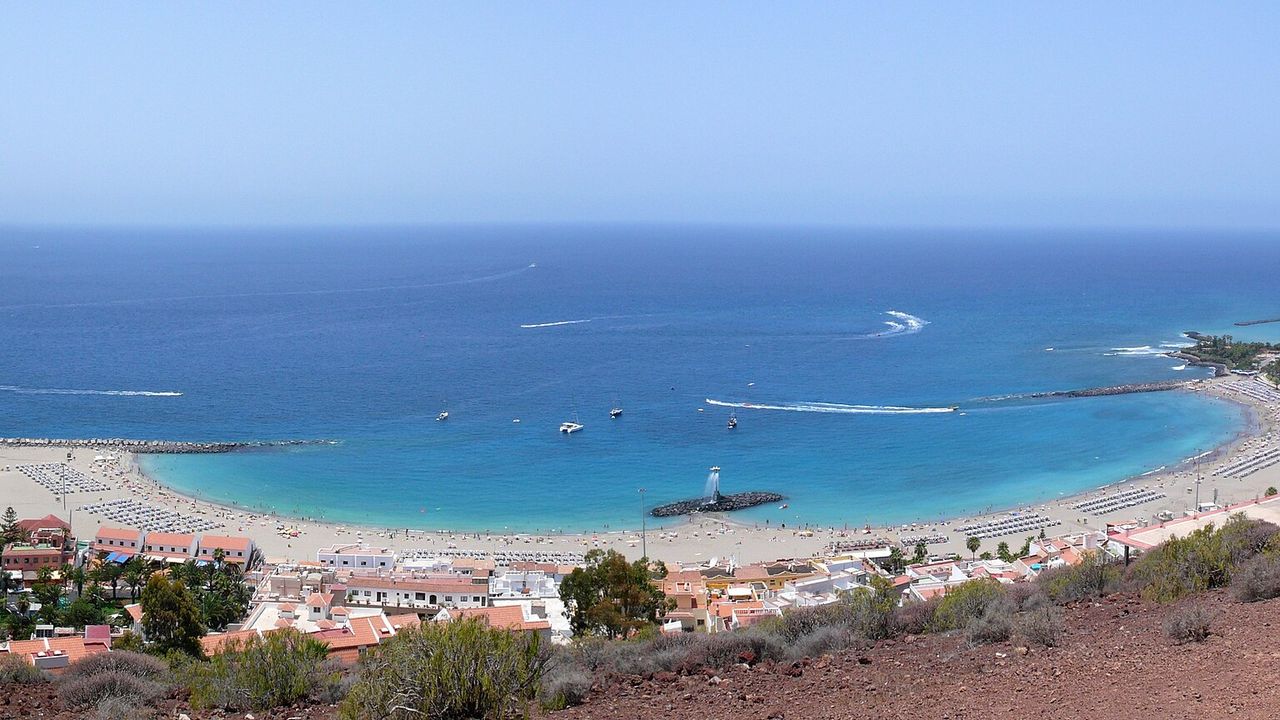
Best for: swimmers who need a hand into the sea. Lifeguards watch the shore and help visitors with limited mobility into the water. Take a mask: fish gather around the artificial rocks offshore. The beach fills up at busy times, so come early for a good spot. Tip: the seabed drops away quickly close to shore, so keep children where they can stand.
Abama Beach
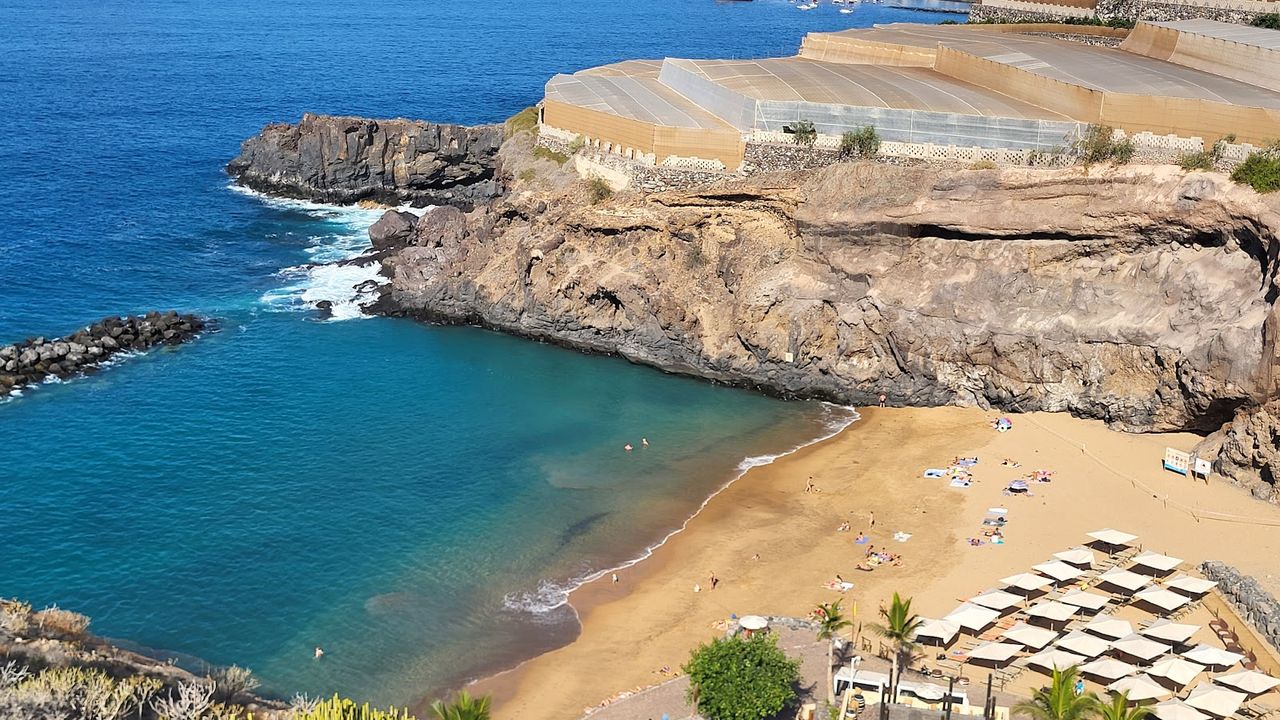
Best for: a quiet swim with good snorkelling straight off the sand. Resort buildings rise behind it and the sunloungers are for hotel guests, yet the beach is public and rarely feels crowded. A lifeguard is on duty, and there are free toilets and showers. Tip: parking near the beach is scarce and the free car parks are a 15- to 30-minute walk away, so arrive early or drop your passengers off first.
Black sand and Atlantic waves
Black volcanic sand burns bare feet by midday. The three beaches below face the open ocean, and the swell decides whether the day is for swimming or for watching. Two other beaches are worth a mention. By Loro Parque, swimming at María Jiménez has been banned because of sewage pollution; check the signs on the beach for the latest. On the east coast, Berruguete is a quiet beach below steep streets, where an elderly man painted hearts on the walls.

Benijo Beach
Black sand, white surf and the dark sea stacks of the Roques de Anaga standing in the water further along the coast. Apart from the restaurants on the road above, this shore at the foot of the Anaga mountains has been left alone, and most of the crowd is local. Big waves roll in off the open ocean: playing in them is the fun of the place, though on a rough day they wear you out. Stay for the evening, when the low light turns the rocks golden. Tip: access to the beach is sometimes closed, and police enforce the closure; if it's shut, don't go down.
El Bollullo Beach
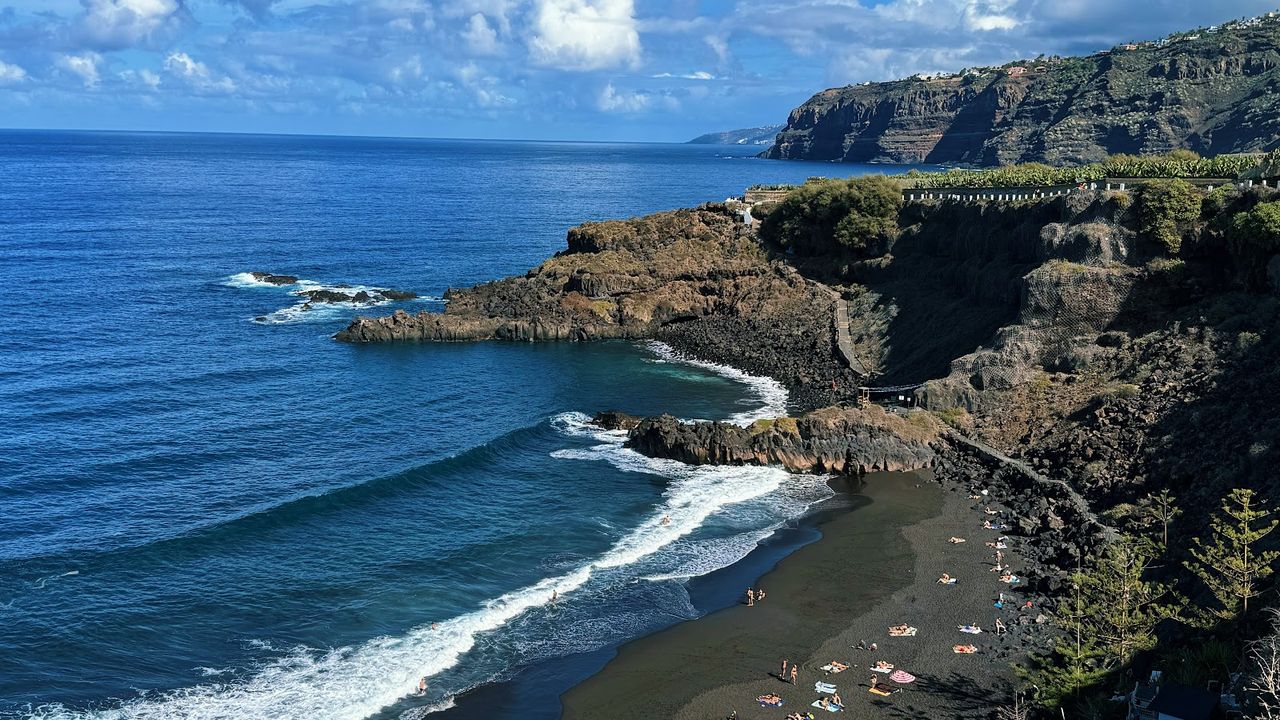
The surf rarely lets up here, breaking on soft black sand under dark cliffs, and its sound fills the bay. The tide changes the beach from one visit to the next: at high water much of the sand can disappear. Surfers come for the swell; everyone else watches from the sand, and in the afternoon the cliffs give some shade. Tip: keep away from the foot of the cliffs, where rock can fall, and swim only when the sea is calm.
La Arena Beach
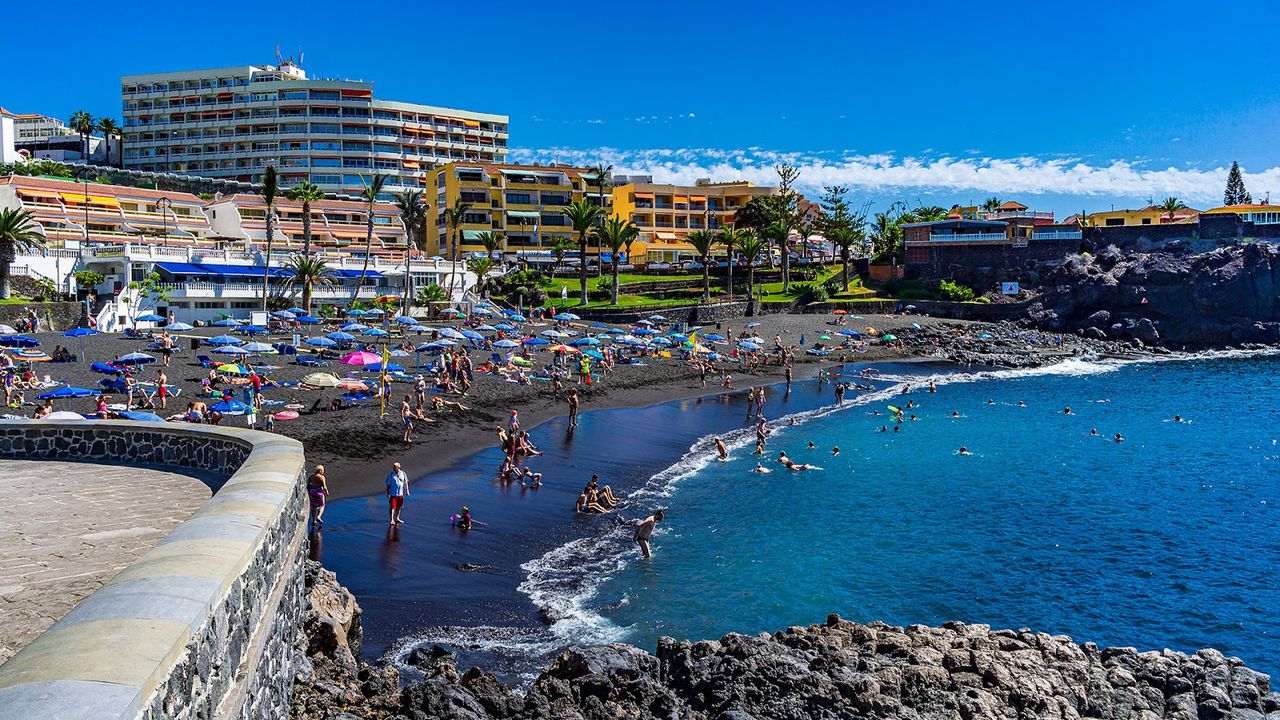
The black sand here is natural, fine and soft, and the cliffs of Los Gigantes close off the view to the north. It's a well-kept resort beach, with showers, changing rooms, a lifeguard and a promenade of restaurants behind it. Small waves can build into big ones with strong currents, so swim while the lifeguard is on duty. In the evening the sun sets over the sea, with La Gomera on the horizon on a clear day. Tip: wear sandals to cross the sand.
Things to do in Tenerife
Paid links: booking through them supports YowJourney.
Coves you walk to
No road reaches these three, which is why they stay quiet. Each means a walk back up at the end of the day, though from Antequera you can take the water taxi instead. Only Roque Bermejo has drinking water nearby. Two more lie on the Teno coast in the north-west. The nearest car park to La Galera is up in Masca, about 2.9 km away in a straight line, and the way down to Juan López, marked by cairns over bare rock, is one of the toughest walks on the island.
Antequera Beach
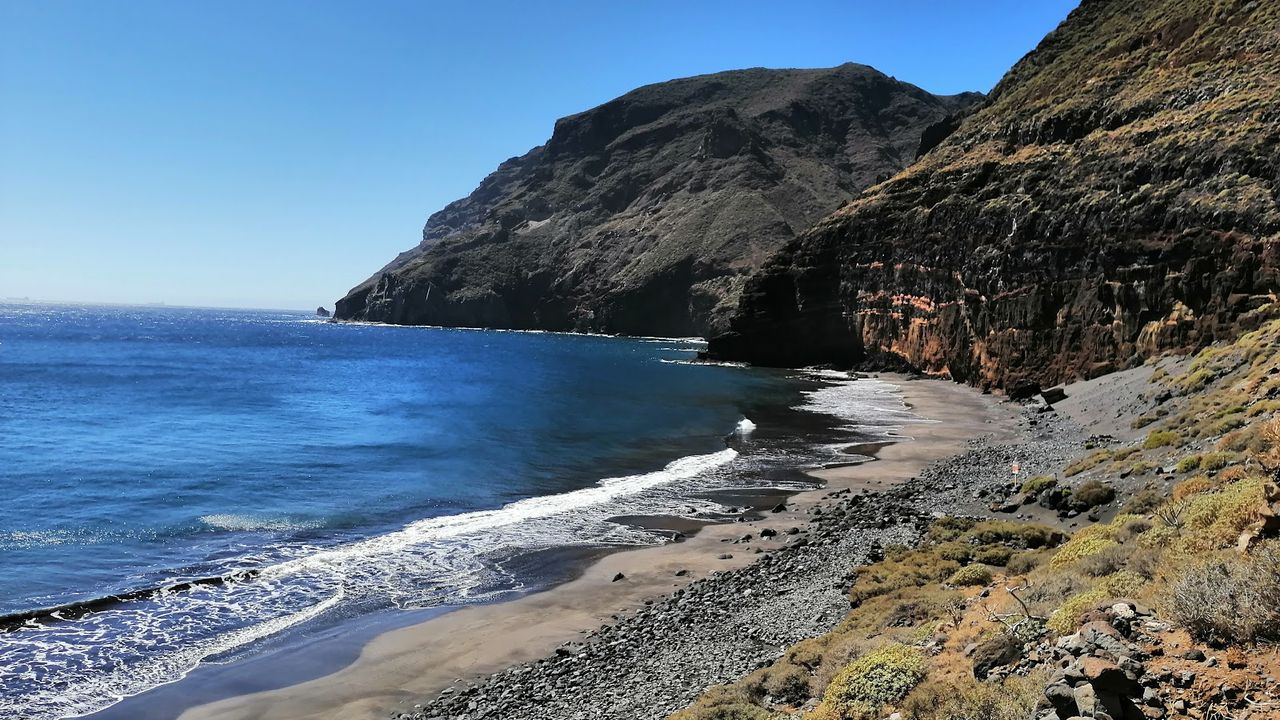
The path down the Barranco de Antequera ends right on a black beach walled in by cliffs, on the Anaga coast in the island's north-east. On the way in you pass Las Casillas, a hamlet of a few houses that can only be reached on foot. Each way is 5.7 to 7.5 km, and the return climbs about 690 m, so allow four to six hours of walking, or take the 15-minute water taxi. Tip: there's no mobile signal on the trail; carry 2–3 litres of water each.
Roque Bermejo Beach
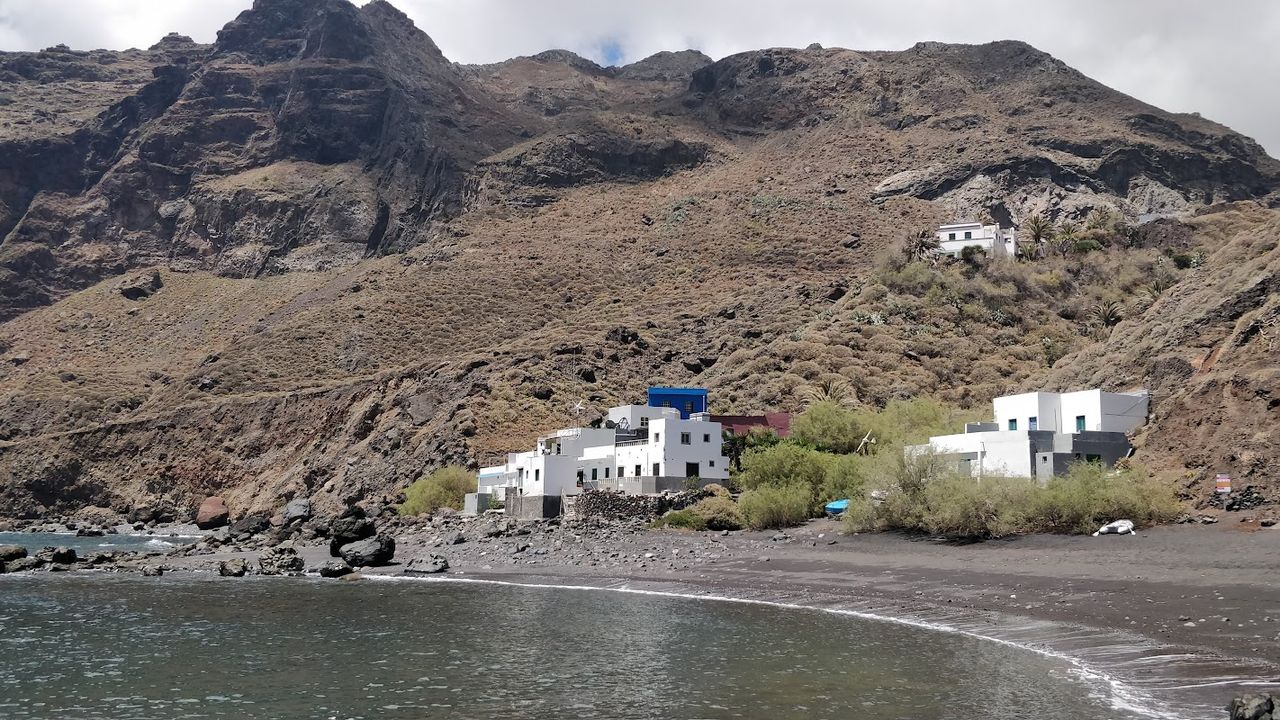
From the path above, the hamlet looks like a village on a Greek island: white houses packed together where a ravine meets the sea. The 9 km loop from Chamorga goes out past the Anaga lighthouse and back up the Barranco de Roque Bermejo, two to three hours with plenty of steps. Two small beaches by the hamlet are good for a swim, and at low tide you can pick your way across to a tidal pool in front of Roque Bermejo, the reddish crag that gives the place its name. Tip: check the tide table before you go.
Diego Hernández Beach
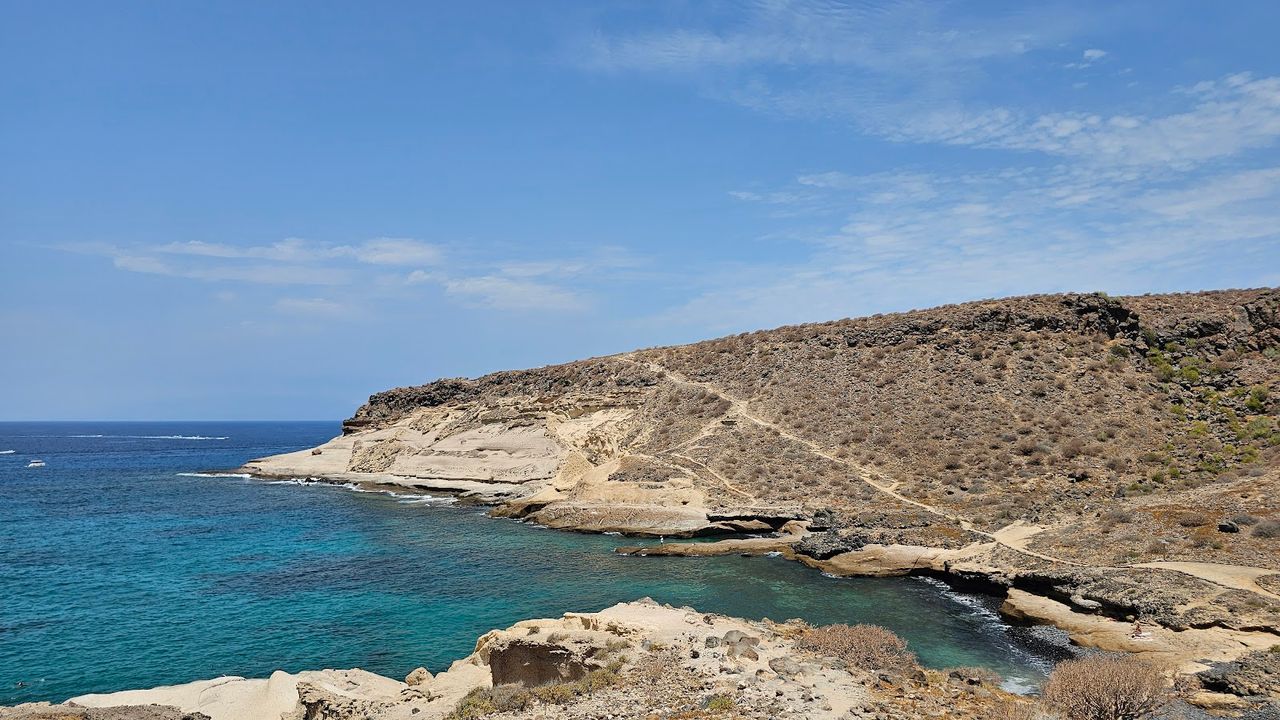
A band of fine sand faces the Atlantic under bare volcanic slopes, with La Gomera on the horizon. The 20-minute walk from the car park by the golf course keeps the beach quiet. Nudity is allowed, but not everyone strips off. The water is clear and shelves gently, though big waves come in at times. Come late in the afternoon for the sunset. Tip: there's no shade, toilet or drinking water, so bring everything you need.
Wind and boards under Montaña Roja
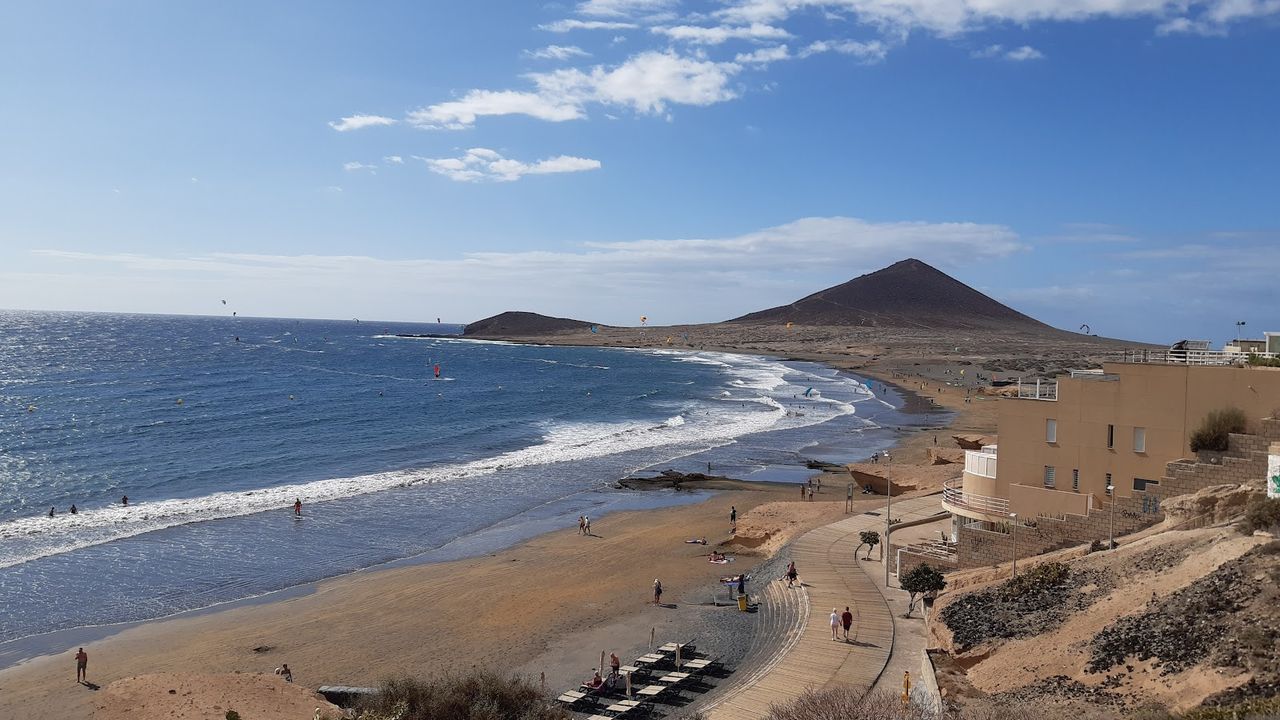
On the south coast near Tenerife South airport, the wind that drives sunbathers off the sand brings in windsurfers and kitesurfers. Montaña Roja, a red volcanic cone, stands between the two beaches below, and a rocky path around it links them.
El Medano Beach
El Médano is a windsurfing town first: the bay, the Harbour Wall and Cabezo Beach are three separate spots for it, and on a windy day kites fill the sky. Swimmers get an area marked off by buoys in front of the main square, sheltered from the bigger waves, and a boardwalk follows the shore past dunes cut by wind and sea. Médano is Spanish for sand dune. Tip: the airport is just north of town, and planes are part of the soundtrack.
La Tejita Beach
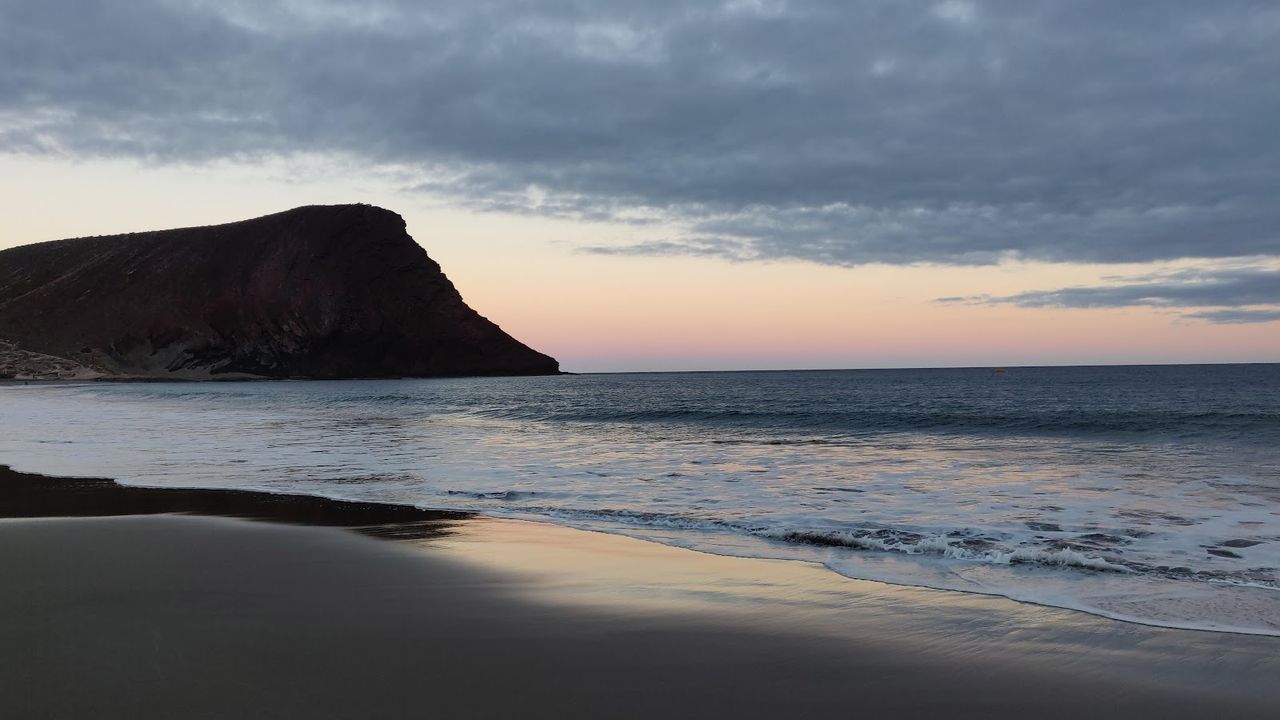
Pale sand runs out from the foot of Montaña Roja, and behind the beach there's almost nothing: no promenade, no hotels, just a few rows of loungers. It's quieter than the resort beaches and good for a long walk; some bathers go nude. On calm days the shallow water is easy to swim in, while on windy ones the blown sand stings. Tip: the waves break hard here, with backwash and rip currents you can't see from the sand.
Before you go
When the red flag flies, swimming is not allowed. Los Patos, a long black beach under the cliffs near La Orotava, is fenced off and closed because of falling rock. Bring sandals or water shoes for hot sand and rock, and your own water: most of these beaches have no drinking-water tap nearby. For swimming in lava pools rather than the open sea, see our guide to Tenerife's natural pools; for the sea in winter, Tenerife in winter; and for the rest of the island, things to do in Tenerife.
Beach details come from our catalogue pages.
For still water and small children, go to Las Teresitas. At Del Duque lunch is right behind the sand, and Las Vistas and La Arena have lifeguards on duty. Benijo is the one for black sand and big waves. For a swim after a walk, head to Roque Bermejo; for a long hike, take the trail down to Antequera, a black beach with few people on it.
FAQ
Does Tenerife have white sand beaches?
A few. Las Teresitas has pale sand shipped from the Sahara in 1973, and the sand at Las Vistas is imported too. At La Tejita pale sand lies at the foot of the red Montaña Roja. Most of the island's other beaches are black volcanic sand or stone.Where can you swim in Tenerife without waves?
At Las Teresitas: a breakwater 150 m offshore keeps the water still, and it stays shallow a long way out. El Médano has a swimming area marked off by buoys, sheltered from the bigger waves. On other beaches, look at the sea and the flag first.Which beaches suit small children?
Las Teresitas, for its still, shallow water. At Las Vistas there are lifeguards, but the water gets deep close to shore. Skip Diego Hernández: it's rocky in places, the surf is lively, and you can only get there on foot, down a path.Can you swim in the sea in winter?
Yes, the sea stays around 19–20 °C in winter. The open north coast takes the heaviest swell at that time of year, so check the sea and the flag before you go in. There's more on the season in our guide to [Tenerife in winter](/articles/tenerife-in-winter).