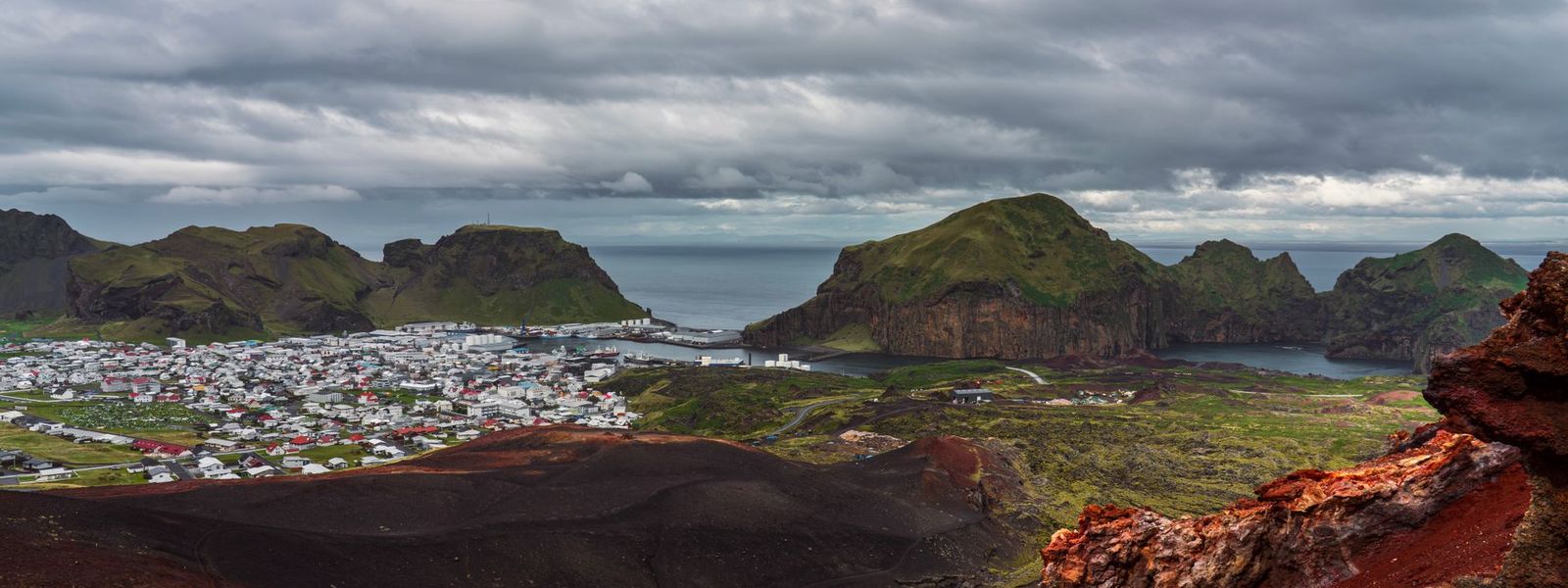
Vestmannaeyjar is an archipelago off the south coast of Iceland and the town on Heimaey, the only inhabited island of the group. About 4,400 people live there. The Eldfell eruption of 1973 destroyed a fifth of the town and forced the whole population to the mainland for a month; the lava flow was halted with 6.8 billion litres of seawater. All of Iceland's seabirds nest in the cliffs, and the puffin is the emblem of the islands. The archipelago is the country's most productive fishing centre.
Vestmannaeyjar
- Currency
- Icelandic króna (ISK)
- Language
- Icelandic; nearly all speak English
- Power plug
- Europlug and Schuko sockets, 230 V
- Visa
- Schengen; outside the EU
- Time zone
- UTC±00:00 (Atlantic/Reykjavik)
- Tap water
- Safe; hot water smells of sulphur
- Tipping
- Not customary
- Emergency
- 112
Things to do
All tours in Vestmannaeyjar on GetYourGuide
Paid links: booking through them supports YowJourney.
When to go
Shoulder
Apr – May
Migratory birds return to the cliffs first in spring. Rain and strong easterly wind are normal, snow is not.
High season
Jun – Aug
More than 30 bird species nest in the cliffs and grassy ledges in their millions, puffins among them. This is the only season with daily flights from Reykjavík.
Shoulder
Sep – Oct
The migratory birds leave the islands in autumn. Herring and capelin move through the surrounding waters, and the fishing fleet works them.
Low season
Nov – Mar
Winters here are the mildest in Iceland, with little snow but heavy rain and constant wind. Bad weather diverts the ferry to Þorlákshöfn, and the Reykjavík flights are down to a winter service.
How long to stay
Two days cover Heimaey: one for the town, the 1973 lava field and Eldfell, one for a boat trip along the cliffs and the walking paths in the south of the island. Add a spare day for weather. Storms push the ferry onto the long Þorlákshöfn route and can hold up flights, so a tight connection back to Reykjavík is a poor plan.
Getting around
Heimaey measures only 7 by 4 kilometres, so everything in the town is within walking distance. Hiking paths cross the whole island, and a reasonably fit walker can reach the sights on foot. Cars can be hired at the airport or in the town. Guided bus tours, boat tours and hiking tours are run by Víking Tours and Eyjaferðir.
The car and passenger ferry Herjólfur sails from Landeyjahöfn, on the mainland coast south of Hvolsvöllur, with four or five return crossings a day. The trip takes 30 to 40 minutes. When conditions close Landeyjahöfn, which happens in winter, Herjólfur runs to Þorlákshöfn instead: 2 hours 45 minutes, a higher fare, and cabins available. Buses from Reykjavík reach Landeyjahöfn via Selfoss with Sterna, and route 3a from the BSÍ terminal serves Þorlákshöfn. Eagle Air flies from Reykjavík daily in summer, 25 minutes each way; Norlandair covers the winter months.
Local rules
- Wine, spirits and full-strength beer are sold only at Vínbúðin on Vesturvegur, not in grocery shops. It is closed on Sundays and public holidays, so buy what you need before the weekend.
- Opening hours in the compact town centre are shorter at weekends and outside the summer season. The choice of specialist goods is narrower than in Reykjavík, so bring outdoor kit with you rather than counting on buying it here.
What to see
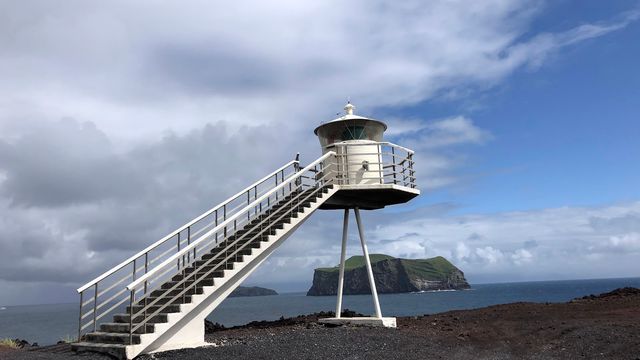
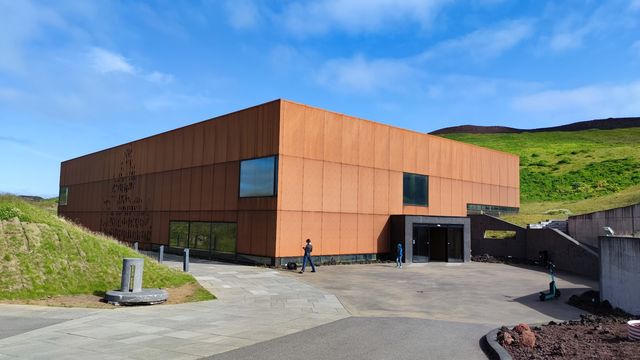
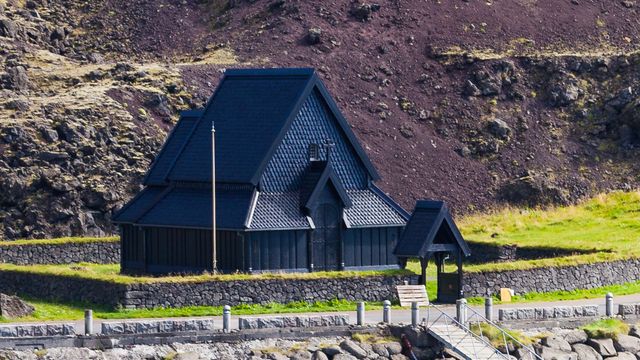

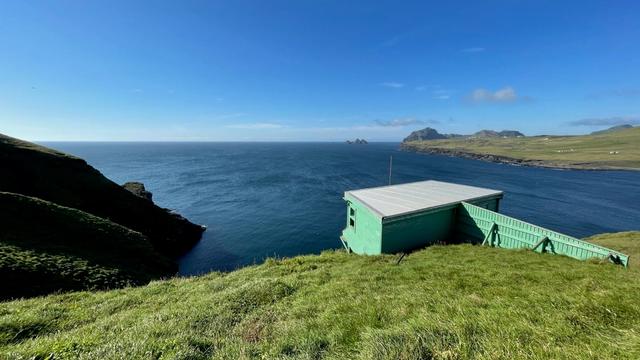
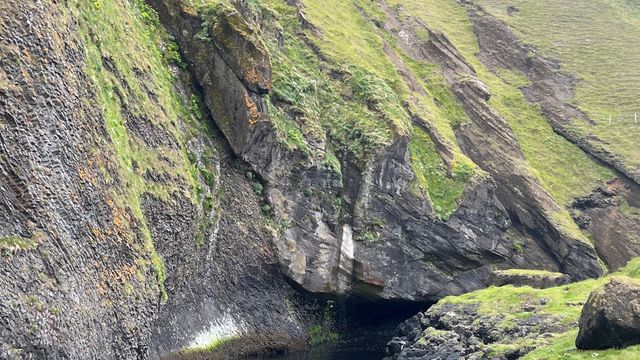

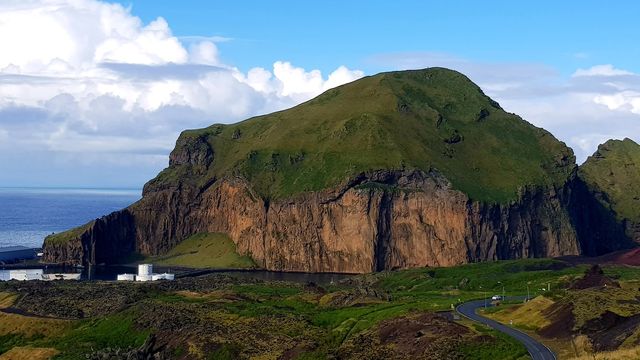

Destinations in Vestmannaeyjar
Frequently asked questions
How do you get to Vestmannaeyjar?
By ferry or by air. Herjólfur crosses from Landeyjahöfn four or five times a day and takes 30 to 40 minutes, carrying up to 500 passengers and 50 cars. In bad weather it runs from Þorlákshöfn instead, 2 hours 45 minutes. Eagle Air flies from Reykjavík daily in summer, 25 minutes; Norlandair flies in winter.Do you need a car on the islands?
No. Heimaey is 7 by 4 kilometres and everything is walkable, with hiking paths across the island. Cars can be hired at the airport or in the town if you want them.When can you see puffins?
Between spring and autumn. The birds return in spring and leave the islands in autumn. The puffin is the most plentiful species here and the emblem of Vestmannaeyjar; townspeople guide stray birds back to safety.What happened in the 1973 eruption?
Eldfell erupted in January 1973 and went on for 155 days. About a fifth of the town was destroyed and the entire population was evacuated to the mainland for a month. The lava was stopped by pumping 6.8 billion litres of seawater onto it. A 200-metre mountain now stands where a meadow was, and the island grew by 2.1 square kilometres.Can you visit the other islands?
Heimaey is the only inhabited island of the 18. The others are uninhabited, and six have a single hunting cabin each. Boat tours run around the archipelago, which also includes Surtsey, formed by an eruption that began in 1963 and lasted about four years.